Best Gastroenterologist in Lucknow

best gastro doctor in Lucknow


Department

Gastroenterology

The Gastroenterology department at Regency Hospitals is led by experienced specialists providing comprehensive care for conditions affecting the digestive system, liver, gallbladder, and pancreas. With advanced facilities and personalised treatment, we provide access to some of the best gastroenterologists in Lucknow under one roof.

Book an Appointment


    Delivering Patient-Centered Digestive Healthcare


    Regency Hospitals is dedicated to the prevention, diagnosis, treatment, and long-term management of digestive diseases. With advanced diagnostic and endoscopic technology, our Lucknow gastroenterology department offers personalised treatment plans through a team of multi-speciality doctors. Our gastroenterologists treat conditions such as stomach ulcers, gastrointestinal bleeding, CBD stones, gallstones, and irritable bowel syndrome (IBS).

    At our Lucknow facility, we provide a comprehensive range of gastroenterology services. Our specialists use advanced technologies such as endoscopic ultrasound, image-enhanced high-definition endoscopy, FibroScan, and high-definition manometry to diagnose complex digestive conditions and plan appropriate treatment.

    We understand that comfort and recovery are important aspects of patient care. Our gastroenterologists prefer minimally invasive procedures whenever appropriate. Techniques such as endoscopy can help diagnose and treat certain conditions with less discomfort and recovery time. Our specialists are trained in these procedures to provide care tailored to each patient’s needs.

    Every individual is unique, and so are their gastrointestinal concerns. Our personalised approach allows specialists to understand your symptoms, lifestyle, and medical history before developing an appropriate treatment plan. Whether you are looking for the best gastroenterologist in Lucknow or a gastro doctor in Lucknow, our focus remains on providing comprehensive digestive care.

    Patient education is an integral part of our approach. Our gastroenterologists explain your condition, treatment options, and preventive measures, encouraging open communication so you can make informed decisions about your health.

    At Regency Hospitals, we are committed to providing comprehensive digestive care. Whether you are experiencing persistent digestive discomfort or need a detailed evaluation, our gastroenterology team in Lucknow is here to support you throughout your treatment journey.

    Read More

    • Types of Gastrointestinal Diseases
    • Causes
    • Symptoms
    • Treatment We Offer
    • Gastrointestinal Bleeding
      • Gastrointestinal bleeding can occur anywhere from the esophagus to the rectum. It may present as vomiting blood, black stools, or sudden weakness. Our gastroenterology specialists use advanced diagnostic tools to locate the source of bleeding quickly and provide timely treatment.
    • Stomach Cancer
      • Stomach cancer is one of the more serious digestive diseases and may include conditions like gastric cancer, colorectal cancer, pancreatic cancer or liver cancer. Early detection is crucial, and our cancer gastro specialists perform comprehensive evaluations to diagnose and manage these conditions effectively.
    • Irritable Bowel Syndrome (IBS)
      • IBS is a chronic disorder that affects the large intestine, often causing bloating, constipation, diarrhoea and abdominal cramping. Our IBS treatment experts offer personalised diet guidance, medications and lifestyle plans to help patients manage symptoms better.
    • Gastroesophageal Reflux Disease (GERD)
      • GERD occurs when stomach acid repeatedly flows back into the esophagus, causing heartburn and discomfort. While many cases improve with lifestyle changes, some patients may need medication or advanced evaluation from a GERD specialist for long-term relief.
    • Peptic Ulcers
      • Peptic ulcers form in the lining of the stomach or small intestine due to excess stomach acid. Symptoms commonly include burning pain, nausea, or bloating. Our stomach specialist provides accurate diagnosis and medical treatment to heal ulcers and prevent recurrence.

    The factors that may upset the GI tract & cause discomfort include:

    • Eating low fibre diet
    • Stress
    • Low intake of water
    • Excessive use of laxatives
    • Consuming large quantities of dairy products
    • Lack of exercise/physical activity
    • Excessive intake of processed foods/items made with white flour/fried/colas
    • Pregnancy
    • Frequent changes in routine

    Below are common symptoms that may indicate an underlying digestive issue. If these persist, seek medical help immediately.

    • Heartburn
      • A burning sensation in the chest or throat, often after meals, which may indicate acid reflux or GERD.
    • Indigestion
      • Discomfort or heaviness after eating, sometimes paired with nausea, belching, or fullness.
    • Constipation
      • Difficulty or infrequent bowel movements. Chronic constipation can indicate a digestive disorder requiring evaluation.
    • Bloating
      • Swelling or a feeling of fullness in the abdomen, commonly caused by digestive irregularities or gas buildup.
    • Abdominal Pain
      • Mild to severe pain in the stomach area. Persistent pain may point to gastrointestinal inflammation or infection.
    • Chronic or Acute Diarrhoea
      • Loose or watery stools that may result from infection, food intolerance, or bowel diseases.
    • Belching, Bloating or Flatulence
      • Excess gas or frequent burping that may indicate problems with digestion or food absorption.
    • Nausea or Vomiting
      • A feeling of sickness that may be triggered by ulcers, infections, or digestive tract irritation.
    • Gas
      • Excessive gas formation due to poor digestion or sensitivity to certain foods.
    • Weight Loss or Gain
      • Unexplained weight changes may be linked to metabolic issues or chronic digestive conditions.
    • Dysphagia (Swallowing Problems)
      • Difficulty swallowing or feeling of food getting stuck, a sign of possible esophageal disorders.

    UGI Endoscopy / Colonoscopy / Enteroscopy

    We use advanced endoscopic procedures to examine the esophagus, stomach, small intestine, and large intestine. These tests help diagnose issues such as ulcers, bleeding, infections, inflammation, and digestive blockages. Many patients visit us seeking gastroenterology treatment or digestive disorder care, and these procedures help provide accurate answers.

    Narrow Band Imaging (NBI)

    A specialised endoscopy technique using enhanced light to detect early-stage polyps, infections, or cancers. It is especially useful for individuals looking for early stomach cancer detection or advanced GI screening.

    Power Spiral Enteroscopy

    An advanced procedure that allows doctors to examine deeper parts of the small intestine. It is recommended when standard tests cannot find the cause of unexplained abdominal pain or chronic digestive issues.

    ERCP (Endoscopic Retrograde Cholangiopancreatography)

    A minimally invasive test used to diagnose and treat problems in the bile duct and pancreas. ERCP is commonly used for patients dealing with bile duct stones, jaundice causes, or pancreatic blockage.

    We use ERCP for:

    • Removal of bile duct stones
    • Treating strictures in the bile or pancreatic ducts
    • Diagnosing suspected cancers
    • Managing pancreatic duct stones

    EUS (Endoscopic Ultrasound)

    A combination of endoscopy and ultrasound that gives detailed images of the pancreas, bile ducts, and nearby organs. It is helpful for conditions involving pancreatic disease diagnosis or biliary disorder evaluation.

    EUS-guided treatments include:

    • Pancreatic cyst drainage
    • Gastric varices coil placement
    • Celiac plexus block for pancreatic pain relief

    Luminal Gastroenterology Services

    High-Resolution Esophageal & Anorectal Manometry

    These tests measure how the muscles in the food pipe and rectum work. They help diagnose conditions such as swallowing disorders and severe constipation.

    Biofeedback Therapy

    A non-surgical treatment that improves pelvic floor muscle control. It is especially effective for people dealing with chronic constipation or difficulty passing stool.

    pH Impedance Study

    A test that measures acid and non-acid reflux, often used to confirm GERD symptoms like heartburn and regurgitation.

    Hydrogen Breath Tests

    Non-invasive tests that identify lactose intolerance, SIBO (small intestinal bacterial overgrowth), and carbohydrate malabsorption, which commonly cause bloating and gas.

    Inflammatory Bowel Disease Care (IBD)

    • Diagnosis with Advanced Endoscopy
      • We diagnose Crohn’s disease and ulcerative colitis using detailed endoscopic examinations that help determine the severity and required treatment.
    • Fecal Transplant (FMT)
      • A modern treatment that restores healthy gut bacteria. It is effective for certain infections and selected cases of severe IBD.

    Bariatric Endoscopic Services

    • Intragastric Balloon Placement
      • A non-surgical weight-loss procedure where a soft balloon is placed in the stomach. It helps individuals seeking weight loss without surgery.
    • Endoscopic Sleeve Gastroplasty (ESG)
      • A minimally invasive procedure that reduces stomach size using internal sutures. It is ideal for individuals wanting non-surgical weight loss procedures with long-term benefits.
    • Types of Gastrointestinal diseases
    • Causes
    • Symptoms
    • Treatments We Offer
    Types of Gastrointestinal diseases
    • Gastrointestinal bleeding
      • Also known as gastrointestinal hemorrhage, GI bleed majorly occurs from the mouth to the rectum or gastrointestinal tract.
    • Stomach cancer
      • It is the fifth-most common cancer worldwide that can include colorectal cancer, gastric cancer, pancreatic cancer, liver cancer and more.
    • Irritable bowel syndrome (IBS)
      • IBS is a chronic condition that is quite common in nature and affects the large intestine. Bloating, constipation are few common symptoms of the same.
    • Gastroesophageal reflux disease (GERD)
      • It refers to a digestive disorder that affects the lower esophageal sphincter (LES) causing the stomach’s contents to flow back into the esophagus. Though in most cases, it can be relieved through diet and lifestyle changes, but in some cases a patient may require to take help of medication or surgery.
    • Peptic Ulcers
      • Peptic ulcers are kind of sore that form in the lining of the stomach or small intestine as a result of inflammation caused by excessive stomach acid. A common health problem, it can be relieved with the help of medication & proper care.
    Causes

    The factors that may upset the GI tract & cause discomfort include:

    • Eating low fibre diet
    • Stress
    • Low intake of water
    • Excessive use of laxatives
    • Consuming large quantities of dairy products
    • Lack of exercise/physical activity
    • Excessive intake of processed foods/items made with white flour/fried/colas
    • Pregnancy
    • Frequent changes in routine
    Symptoms

    There are many symptoms to indicate that there may be something wrong with your digestive system. Look for these symptoms & ask help immediately if any of these persist for long:

    • Heartburn
    • Indigestion
    • Constipation
    • Bloating
    • Abdominal pain
    • Chronic or acute diarrhea
    • Belching, bloating or flatulence
    • Nausea or vomiting
    • Gas
    • Weight loss or gain
    • Dysphagia or swallowing problems
    Treatments We Offer
    • UGI ENDOSCOPY/ COLONOSCOPY/ ENTEROSCOPY:
      • Advanced endoscopic procedures for diseases related to the esophagus, stomach, small intestine, and large intestine
      • Narrowband Imaging
      • Power spiral Enteroscopy
    • ERCP
      • ERCP for bile duct stones, cancers, strictures, and pancreatic duct stones
    • EUS
      • Diagnosis of pancreatic and biliary disorders
      • EUS guided Pancreatic cyst drainage, gastric varices coil placement, and celiac plexus neurolysis/block
    • LUMINAL GASTROENTEROLOGY
      • High resolution esophageal and anorectal Manometry
      • Biofeedback for fecal evacuation disorders
      • pH impedance Metry
      • Hydrogen breath tests
    • INFLAMMATORY BOWEL DISORDER
      • Diagnosis through endoscopic procedures
      • Fecal transplant
    • BARIATRICS
      • Endoscopic intragastric balloon placement and sleeve gastroplasty

    Our Best Gastroenterologist in Lucknow
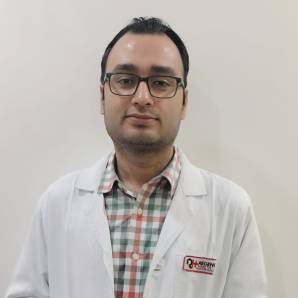


    Senior Consultant | Gastro Enterology

    Dr. Piyush Kumar Thakur

    Dr. Piyush Kumar Thakur with an experience of 5 years in Gastroenterology is currently associated with Regency Hospital Kanpur as a Senior Consultant in Gastroenterology.


    Read more


    Associate Director | Gastro Enterology

    Dr. Praveen Jha

    Dr. Jha has previously worked as a consultant in Apollo spectra. He has completed his 2 year Senior residency in the department of Gastro from RMLIMS Lucknow. Currently, he is associated with Regency Hospital as a Associate Director in Gastroenterology.


    Read more


    Numbers of Excellence

    With a dynamic approach, we have been constantly working on upping our ante and achieving new milestones with each passing day.


    01234567890012345678900123456789001234567890+

    Committed Staff


    0123456789001234567890 Lacs +

    Trusted Patient


    0123456789001234567890

    Years of Experience


    01234567890012345678900123456789001234567890+

    Beds


    012345678900123456789001234567890+

    Super Specialist


    Patient Testimonials

    Here’s what our patients have to say about our services..

    My partner and I visited the Regency City Clinic in Kanpur following several failed fertility treatments at an earlier fertility clinic for high oestrogen levels. The staff members were very professional and empathetic. The preliminary visit resulted in a gynaecological test, that led to the early diagnosis of a mild ovarian dermoid cyst. Following the removal of the cyst, we were successful in our first IVF trial. I have been blessed with a baby boy 2 months ago. Thank you, Regency!


    Pooja Sharma

    Kanpur

    I was very apprehensive about being diagnosed with painful stones in my kidney. I was afraid of undergoing surgery. After, meeting with renal specialists at Regency, I found out that every stone does not require an operation. With modern techniques of ESWL (Lithotripsy) PCNL & URS, which are non-invasive, I finally got rid of the stones for all times.


    Rahul Trivedi

    I came to Regency Hospitals, Kanpur for the treatment of my liver condition. We learned about Regency through friends in my workplace. The team at Regency provided me with top-notch service and personalized attention, much more than I expected. The staff is very helpful and cooperative. I already have and will surely recommend this remarkable health institution to my family and friends in the future.


    Udit Kumar

    Kanpur

    I had terrible pelvic pain from the last 6-7 months, and that’s when I was diagnosed with ovarian cysts. Thinking and reading about the cysts made me horrified, but I wanted to cure myself as soon as possible. My aunt, being a doctor herself, recommended Regency Hospitals for the treatment of my cysts, and I went ahead with her opinion. From one month, I have been regular with my periods, I have no pelvic pain and I have gotten rid of the cysts. Thanks, Regency!


    Roshini


    Related Articles

    Our space to keep you aware of your health, every day.

    No more posts

    Frequently Asked Questions

    The digestive system is linked to cancer in more people than any other body system. For which, we have already answered the questions, you might ask.

    DD1

    • Who is a Gastroenterologist?
    • What does a gastroenterologist treat?
    • What procedures can a gastroenterologist perform?
    • What are the most common signs and symptoms of gastrointestinal disorders?
    • How do gastroenterologists check your stomach?
    • How painful is an endoscopy?
    • How painful is an endoscopy?
    • What two areas of the body does a gastroenterologist treat?
    Who is a Gastroenterologist?

    A gastroenterologist is a physician trained to diagnose and manage conditions affecting the oesophagus, stomach, intestines, colon, rectum, pancreas, gallbladder, bile ducts, and liver. If you’re looking for the best gastroenterologist in Lucknow, Regency Hospitals provides access to experienced specialists and comprehensive digestive care.

    What does a gastroenterologist treat?

    Gastroenterologists address a variety of common gastrointestinal disorders, including:

    • Acid reflux and heartburn (GERD)
    • Peptic ulcers
    • Irritable bowel syndrome (IBS) and inflammatory bowel disease (IBD) such as Crohn’s disease and ulcerative colitis
    • Hepatitis and other liver diseases
    • Gallstones and gallbladder issues
    • Pancreatitis
    • Constipation or diarrhea that persists
    • Gastrointestinal bleeding
    • Difficulty swallowing or chronic indigestion

    Gastroenterologists also perform procedures like endoscopy and colonoscopy to diagnose and treat digestive problems.

    What procedures can a gastroenterologist perform?

    Given the broad scope of gastroenterology, specialists conduct various tests and procedures. While gastroenterologists do not perform surgeries, they are skilled in a range of diagnostic & therapeutic methods, including:

    • Endoscopic retrograde cholangiopancreatography (ERCP)
    • Endoscopic ultrasound (EUS) (both diagnostic & therapeutic)
    • High Resolution Manometry
    • Liver biopsy
    • Capsule endoscopy

    These procedures are crucial for diagnosing and treating conditions managed by the best gastroenterologist in Lucknow.

    What are the most common signs and symptoms of gastrointestinal disorders?

    Recognizing these symptoms is vital for timely consultation with the best gastroenterologist in Lucknow. You should consult a gastroenterologist if you experience any of these common gastrointestinal symptoms:

    • Rectal bleeding
    • Urgent bowel movement urges that are difficult to control
    • Diarrhea
    • Changes in bowel habits
    • Pale-colored stools
    • Dark urine
    • Vomiting
    • Bloating
    • Abdominal Pain
    • Belching
    • Excessive gas
    • Esophageal pain
    • Loss of weight
    • Loss of appetite
    • Heartburn (acid reflux)
    How do gastroenterologists check your stomach?

    Gastroenterologists examine your stomach using several methods:

    • Physical examination to check for tenderness, swelling, or pain
    • Endoscopy, where a thin tube with a camera is used to view the stomach and esophagus
    • Imaging tests like ultrasound, X-ray, or CT scans
    • Lab tests such as blood, stool, or breath tests to detect infections or digestive issues

    For expert diagnosis and treatment of stomach problems, you can consult the best gastroenterologist in Lucknow at Regency Hospitals.

    How painful is an endoscopy?

    An endoscopy is generally not very painful. Most patients may feel mild discomfort, a gagging sensation, or slight pressure while the scope is inserted. Sedation is often used to keep you relaxed and comfortable during the procedure. After the procedure, some people may experience a mild sore throat or bloating, which usually goes away within a day.

    For a safe and comfortable procedure, you can consult the best gastroenterologist in Lucknow at Regency Hospitals.

    How painful is an endoscopy?

    Certain foods can irritate the digestive system and trigger gastrointestinal problems such as acid reflux, bloating, or indigestion. Common triggers include:

    • Spicy and fried foods
    • Fatty or greasy foods
    • Citrus fruits and tomatoes
    • Chocolate
    • Caffeinated drinks and carbonated beverages
    • Alcohol
    • Dairy products (for those who are lactose intolerant)
    • High-sugar or processed foods

    Avoiding or moderating these foods can help prevent digestive discomfort.

    What two areas of the body does a gastroenterologist treat?

    A gastroenterologist primarily treats the digestive tract (stomach, intestines, esophagus, and colon) and the liver. They help diagnose and manage conditions like acid reflux, ulcers, liver disease, IBS, and more.


    Book an Appointment



      © 2026 - Regency Healthcare

      Call Back

      Book an Appointment