

 Call-an-Ambulance
What Is Cataract Surgery? Overview, Procedure, and Benefits
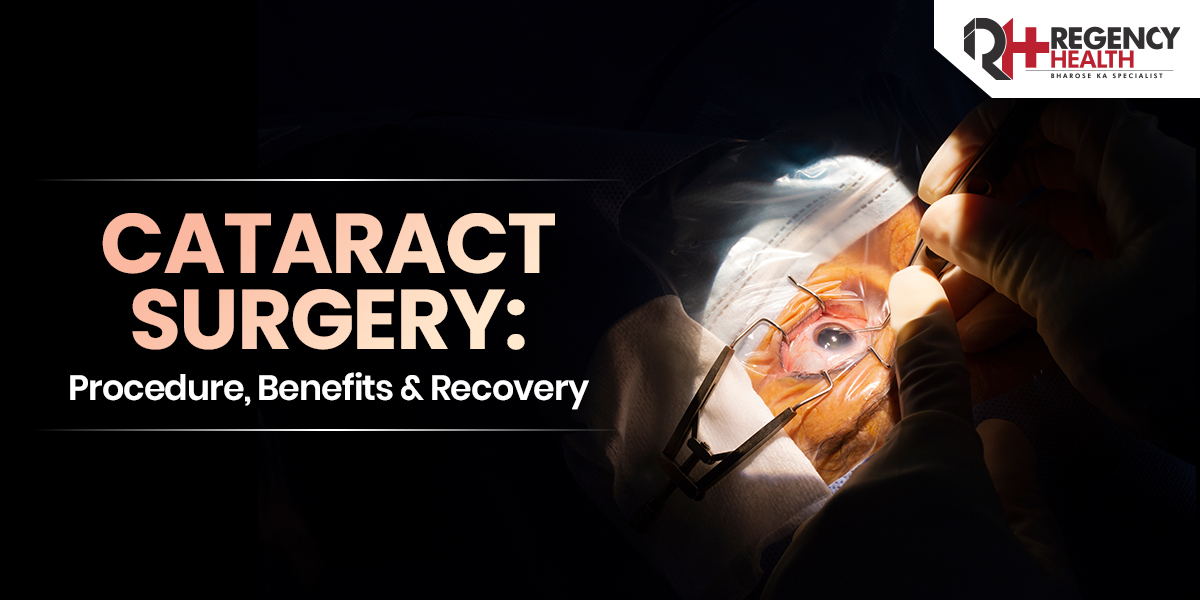
Vision plays a vital role in everyday life, and any decline in eyesight can directly affect independence and quality of life. One of the most common age-related eye conditions affecting vision is cataract. As cataracts progress, daily activities such as reading, driving, and recognizing faces become increasingly difficult. Thankfully, cataract surgery is a safe and effective solution that helps restore clear vision for millions of people every year.
This guide explains what is cataract surgery, how it works, its types, benefits, recovery precautions, and available alternatives so patients can make informed decisions about their eye health.
What Is a Cataract?
A cataract occurs when the natural lens of the eye becomes cloudy, leading to blurred or dim vision. This clouding develops gradually and is most commonly linked to aging, though it can also result from diabetes, eye injury, prolonged steroid use, or excessive sun exposure.
When vision loss begins to interfere with daily life, doctors usually recommend cataract surgery as the most effective treatment.
What Is Cataract Surgery?
It is a surgical procedure in which the cloudy natural lens of the eye is removed and replaced with a clear artificial lens called an intraocular lens (IOL). The surgery is usually performed on an outpatient basis and takes about 15–30 minutes.
Cataract surgery is one of the safest and most successful surgical procedures worldwide, with a very high success rate in improving vision.
When Is Cataract Surgery Needed?
Cataract surgery is advised when:
- Vision becomes blurry or cloudy
- Night driving becomes difficult
- Colors appear faded
- Frequent changes in eyeglass prescription are required
- Daily tasks are affected despite glasses
Doctors assess symptoms, eye examination results, and the impact on lifestyle before recommending surgery.
Types of Cataract Surgery
There are different types of cataract surgery, depending on technology used and patient needs.
| Type | Description |
|---|---|
| Phacoemulsification | Most common method using ultrasonic energy to break and remove the lens |
| Extracapsular Surgery | Used for advanced cataracts with larger lens removal |
| Laser Cataract Surgery | Uses laser for higher precision and faster recovery |
Among these, laser cataract surgery offers improved accuracy and may reduce dependency on glasses in suitable candidates.
Cataract Surgery Procedure: Step-by-Step
Understanding the cataract surgery process helps reduce anxiety:
- Eye is numbed using local anesthesia
- A small incision is made in the eye
- The cloudy lens is broken and removed
- An artificial lens is implanted
- No stitches are usually required
The patient can return home the same day with protective eye covering.
Benefits of Cataract Surgery
The benefits of cataract surgery extend beyond improved vision:
- Clearer and brighter eyesight
- Better night vision
- Improved color perception
- Enhanced quality of life
- Reduced dependency on glasses
- Safer driving and mobility
Most patients notice significant improvement within a few days.
Precautions After Cataract Surgery
Following precautions after cataract surgery is essential for smooth recovery:
| Do’s | Don’ts |
|---|---|
| Use prescribed eye drops regularly | Avoid rubbing the eyes |
| Wear protective eye shield | Avoid heavy lifting |
| Maintain eye hygiene | Avoid swimming initially |
| Attend follow-up visits | Avoid dusty environments |
Vision usually stabilizes within a few weeks when post-operative care is followed properly.
Cataract Removal Without Surgery: Is It Possible?
Many people ask about cataract removal without surgery, but currently, there is no proven medical or natural treatment that can remove cataracts completely.
Once cataracts affect vision significantly, surgery remains the only effective treatment.
Who Is a Good Candidate for Cataract Surgery?
Most adults with cataracts are suitable candidates. However, surgery is planned after evaluating:
- Overall eye health
- Presence of other eye diseases
- Medical conditions like diabetes
- Patient’s visual needs and lifestyle
Personalized evaluation ensures optimal results.
Recovery and Vision After Surgery
- Mild discomfort for 1–2 days is normal
- Vision improves within a few days
- Complete recovery usually takes 4–6 weeks
- New glasses may be prescribed if needed
Most patients resume routine activities quickly with proper care.
Choosing the Right Place for Cataract Surgery
Access to advanced diagnostic tools, skilled eye specialists, and modern surgical technology plays a crucial role in achieving the best outcomes. Many patients prefer undergoing cataract surgery at Regency Hospitals, which is often regarded as among the best hospital in Lucknow for comprehensive eye care, patient safety, and evidence-based treatment protocols.
Conclusion
Cataracts are a common yet highly treatable cause of vision loss, and timely care can make a meaningful difference in preserving eye health. Gaining clarity on what is cataract surgery, understanding the different types of cataract surgery, and being aware of recovery precautions and long-term benefits helps patients feel informed and confident about their treatment journey. With advancements such as laser cataract surgery, the procedure has become safer, more precise, and more comfortable than ever before.
Equally important is early diagnosis, careful post-surgical care, and selecting a reliable healthcare facility with experienced specialists and modern technology. When managed at the right time and with expert guidance, cataract surgery does more than improve eyesight; it helps individuals regain independence, confidence, and a better overall quality of life.
Frequently Asked Questions (FAQs)
Is cataract surgery safe?
Yes, cataract surgery is one of the safest medical procedures with a very high success rate when performed by experienced doctors.
How long does cataract surgery take?
The procedure usually takes 15–30 minutes, and patients can go home the same day.
Is laser cataract surgery better?
Laser cataract surgery offers more precision and may improve recovery, but suitability depends on individual eye conditions.
How soon can I see clearly after cataract surgery?
Most patients notice clearer vision within a few days, with gradual improvements over weeks.
Can cataracts come back after surgery?
No, cataracts do not return once the cloudy lens is replaced with an artificial lens.
Read More:
- Cataract: Causes, Symptoms & Treatment Options
- Why Do Eyes Twitch? Causes, Symptoms & Treatment
- Understanding Glaucoma: Causes, Symptoms, Types, and Risk Factors
- What Is Conjunctivitis? Symptoms, Causes & Treatment