
 Call-an-Ambulance
Malaria: Causes, Symptoms, Diagnosis, Treatment & Prevention
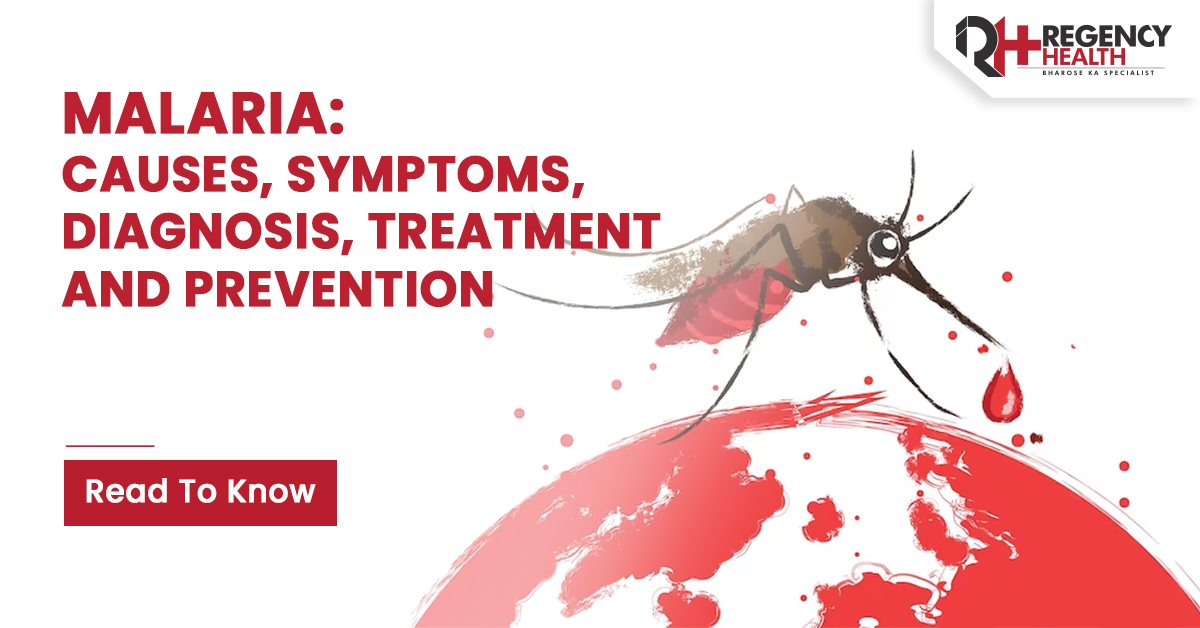
Malaria is a potentially life-threatening infectious disease caused by Plasmodium parasites and transmitted mainly through the bite of infected female Anopheles mosquitoes. It is preventable and curable, but delayed diagnosis and treatment can allow the infection to become severe, particularly in young children, pregnant women and people without previous immunity.
According to the World Health Organization (WHO), an estimated 282 million malaria cases and 610,000 deaths occurred across 80 countries in 2024. Most malaria cases and deaths occurred in the WHO African Region, although the disease remains an important public health concern in parts of Asia, including India.
Knowing how malaria spreads, recognising its warning signs and getting tested early can significantly reduce the risk of complications.
What Is Malaria?
Malaria is a parasitic infection that primarily affects red blood cells. It begins when an infected female Anopheles mosquito bites a person and introduces Plasmodium parasites into the bloodstream.
The parasites first travel to the liver, where they multiply. They then enter red blood cells and continue multiplying. The repeated destruction of infected red blood cells contributes to symptoms such as fever, chills and weakness.
There are five Plasmodium species known to cause malaria in humans:
- Plasmodium falciparum, which causes the most severe form of malaria and has a high risk of complications
- Plasmodium vivax, which is particularly important in regions outside sub-Saharan Africa and can relapse because parasites can remain dormant in the liver
- Plasmodium malariae
- Plasmodium ovale
- Plasmodium knowlesi, which is mainly found in parts of Southeast Asia
The type of parasite matters because it influences the choice and duration of treatment.
How Is Malaria Transmitted?
When an infected mosquito bites a person, the parasite enters the bloodstream. After developing in the liver and blood, some parasites can be picked up by another mosquito when it bites an infected person. This allows the transmission cycle to continue.
Malaria is not spread through ordinary person-to-person contact. However, rare transmission can occur through contaminated blood, organ transplantation or from an infected mother to her baby.
Mosquitoes that transmit malaria are generally more active from dusk through the night. This makes nighttime mosquito protection particularly important in areas where malaria transmission occurs.
What Causes Malaria?
When people ask what malaria is caused by, the direct cause is infection with Plasmodium parasites. The parasite is usually transmitted through the bite of an infected female Anopheles mosquito.
Risk is higher in areas where malaria parasites and suitable mosquito vectors are present. Climate, rainfall, local mosquito populations, housing conditions and access to mosquito control can all influence transmission.
Importantly, malaria should not be blamed simply on “dirty surroundings” or stagnant water. Different Anopheles species have different breeding preferences, and mosquito control involves several measures rather than eliminating one type of water source.
Who is at higher risk?
Anyone living in or travelling to a malaria-endemic area can become infected. However, some people are more likely to develop severe disease, including:
- Children under 5 years
- Pregnant women
- Infants
- Travellers from areas without malaria transmission
- People with weakened immunity
- People living in areas with limited access to timely diagnosis and treatment
Pregnancy can also increase the risk of complications for both the mother and baby.
What Are The Symptoms Of Malaria?
The first malaria symptoms can be mild and may look similar to other infections. Fever, headache and chills are among the most common early symptoms.
Symptoms often begin around 10 to 15 days after an infective mosquito bite, although the timing can vary depending on the parasite and the person’s previous exposure.
Common symptoms include:
- Fever
- Chills or shivering
- Headache
- Sweating
- Muscle and body aches
- Weakness and tiredness
- Nausea or vomiting
- Abdominal discomfort
- Diarrhoea in some cases
The pattern of fever is not reliable enough to diagnose malaria by itself. Some people may not experience the classic cycles of fever, chills and sweating.
Warning signs of severe malaria
Severe malaria is a medical emergency. It can affect the brain, lungs, kidneys, liver and other organs.
Seek urgent medical care if a person with suspected or confirmed malaria develops:
- Confusion or reduced consciousness
- Seizures
- Difficulty breathing
- Severe weakness
- Jaundice
- Dark or bloody urine
- Abnormal bleeding
- Severe anaemia
- Shock or signs of organ dysfunction
- falciparum malaria can progress rapidly, and WHO notes that untreated infection can become severe within 24 hours after symptoms begin.
How Is Malaria Diagnosed?
A malaria test is important because fever alone cannot reliably distinguish malaria from dengue, typhoid, influenza and other infections.
Doctors generally use parasite-based tests to confirm infection. WHO recommends prompt testing of people with suspected malaria using microscopy or a rapid diagnostic test (RDT) before treatment whenever appropriate.
Common diagnostic tests
| Test | What it does |
|---|---|
| Blood smear microscopy | Examines a blood sample under a microscope to identify malaria parasites and can help determine the parasite species and parasite level. |
| Rapid diagnostic test (RDT) | Detects specific malaria parasite antigens and can provide results relatively quickly, making it useful where microscopy is not immediately available. |
| Molecular tests such as PCR | Can identify parasite DNA with high sensitivity and may be useful in specialised laboratories, although they are not routinely required for every patient. |
A single negative test may not always rule out malaria when clinical suspicion remains high. A doctor may recommend repeat testing based on symptoms, exposure history and the initial test result.
What Is The Treatment For Malaria?
The appropriate malaria treatment depends on the parasite species, severity of infection, local drug resistance patterns, the patient’s age and weight, pregnancy status and other health factors.
Treatment for uncomplicated malaria
Artemisinin-based combination therapies (ACTs) are among the most effective treatments for P. falciparum malaria and are widely recommended by WHO.
Treatment for P. vivax is different because this parasite can remain dormant in the liver and cause relapse. In addition to treating the blood-stage infection, medicines may be needed to clear the dormant liver-stage parasites. Certain medicines used for relapse prevention require assessment for G6PD deficiency because they can cause serious complications in people with this inherited enzyme deficiency.
Chloroquine may still be appropriate for P. vivax in areas where the parasite remains sensitive to it. Therefore, patients should not self-medicate based on an earlier malaria prescription.
Treatment for severe malaria
Severe malaria requires urgent hospital treatment. Injectable antimalarial medicines, supportive care and close monitoring may be needed. Depending on the complications, treatment may include management of low blood sugar, severe anaemia, breathing problems, kidney problems, seizures or other organ complications.
The medicine and dose should always be determined by a qualified healthcare professional. Antimalarial drug resistance is an increasing concern, which makes correct diagnosis and adherence to recommended treatment especially important.
How Can Malaria Be Prevented?
The best approach to the prevention of malaria combines protection from mosquito bites with appropriate preventive medicines when recommended.
Protect yourself from mosquito bites
- Sleep under an insecticide-treated mosquito net in malaria-risk areas.
- Apply a mosquito repellent containing an appropriate active ingredient to exposed skin.
- Wear long-sleeved clothing and full-length trousers, particularly after sunset.
- Use window and door screens where available.
- Use appropriate indoor mosquito-control measures.
- Support local mosquito-control measures such as indoor residual spraying where recommended.
WHO identifies insecticide-treated nets and indoor residual spraying as important malaria vector-control interventions.
Consider preventive medicines when travelling
People travelling to malaria-endemic regions may need preventive antimalarial medicines. The choice depends on the destination, local parasite resistance, duration of travel, health status and other individual factors.
It is best to speak with a doctor or travel-health professional before travelling rather than taking leftover malaria medicines.
What about malaria vaccines?
The older information that there is “no malaria vaccine” is now outdated. WHO recommends the RTS,S/AS01 and R21/Matrix-M malaria vaccines for children living in areas with moderate to high P. falciparum transmission. These vaccines are being introduced alongside other malaria-control measures in eligible regions.
However, malaria vaccines are not a replacement for mosquito-bite prevention, diagnosis and appropriate treatment.
Prevention And Treatment At A Glance
| Area | What you should know |
|---|---|
| Mosquito protection | Use insecticide-treated nets, repellents, protective clothing and appropriate indoor vector-control measures. |
| Travel | Ask a healthcare professional whether preventive antimalarial medication is appropriate for your destination. |
| Diagnosis | A blood-based test helps confirm malaria and guide treatment. |
| Treatment | Medicines depend on the parasite species, severity, resistance patterns and individual factors. |
| Severe symptoms | Confusion, seizures, breathing difficulty, jaundice or severe weakness require emergency medical care. |
| Medication adherence | Take antimalarial medicines exactly as prescribed and complete the recommended regimen. |
| Relapse risk | P. vivax and P. ovale can require additional treatment to clear parasites from the liver. |
When Should You See A Doctor?
A fever after travel or residence in a malaria-endemic area should not be ignored. Seek medical evaluation promptly, particularly if fever is accompanied by chills, headache, vomiting or significant weakness.
Do not wait for symptoms to become severe. Early diagnosis and appropriate treatment can prevent uncomplicated malaria from progressing to a life-threatening illness.
Conclusion
Malaria is preventable and treatable, but timely diagnosis matters because the infection can become severe quickly. Protecting yourself from mosquito bites, getting tested promptly for unexplained fever in a malaria-risk setting and taking prescribed treatment correctly can significantly reduce complications.
For evaluation and treatment of infectious illnesses, you can consult Regency Hospitals, a best hospital in Kanpur, for appropriate medical care and diagnostic support.
FAQs
Can malaria be completely cured?
Yes. Malaria is generally curable when diagnosed and treated appropriately. However, some parasite species can relapse if the liver-stage infection is not adequately treated.
How long does malaria take to show symptoms?
Symptoms commonly begin about 10 to 15 days after an infective mosquito bite, but the timing can vary. Some infections may take longer to become noticeable.
Can malaria spread from one person to another?
Malaria does not spread through casual contact such as touching, sharing food or sitting near an infected person. It is primarily transmitted through infected female Anopheles mosquitoes. Rare transmission through blood, organ transplantation or from mother to baby can occur.
What is the malaria test used to confirm infection?
The main tests are blood smear microscopy and rapid diagnostic tests. PCR and other molecular tests may be used in specialised settings. A malaria test should be interpreted along with the person’s symptoms and exposure history.
Can malaria happen without fever?
Fever is a common feature, but symptoms can vary and some infections may initially be mild or asymptomatic, particularly in people who have partial immunity. This is why exposure history and testing can be important.
Is malaria dangerous during pregnancy?
Yes. Malaria during pregnancy can increase the risk of serious illness for the mother and can contribute to adverse pregnancy outcomes, including premature delivery and low birth weight. Pregnant women in malaria-risk areas should follow locally recommended preventive measures and seek prompt medical care for suspected infection.
Can malaria come back after treatment?
Yes, depending on the parasite. P. vivax and P. ovale can remain dormant in the liver and later cause relapse. Specific anti-relapse treatment may therefore be needed after the acute infection is treated.
Can I prevent malaria without taking medicines?
Reducing mosquito exposure is essential, but whether preventive medicine is also recommended depends on where you live or travel, your individual risk and local malaria patterns. A healthcare professional can advise you on the appropriate combination of measures.
Read More:
- 12 Common Monsoon Diseases: Symptoms, Prevention & Treatment
- Health Risks of Air Pollution & How to Prevent Them
- Typhoid Fever: Symptoms, Causes, Treatment, and Prevention
- Malaria | Treatment and Causes | Regency Healthcare