
Migraine: What It Is, Types, Causes, Symptoms & Treatments
Migraine: What It Is, Types, Causes, Symptoms & Treatments

August 26, 2025 Dr. A A Hashmi0
25_August-02-1200x628.png

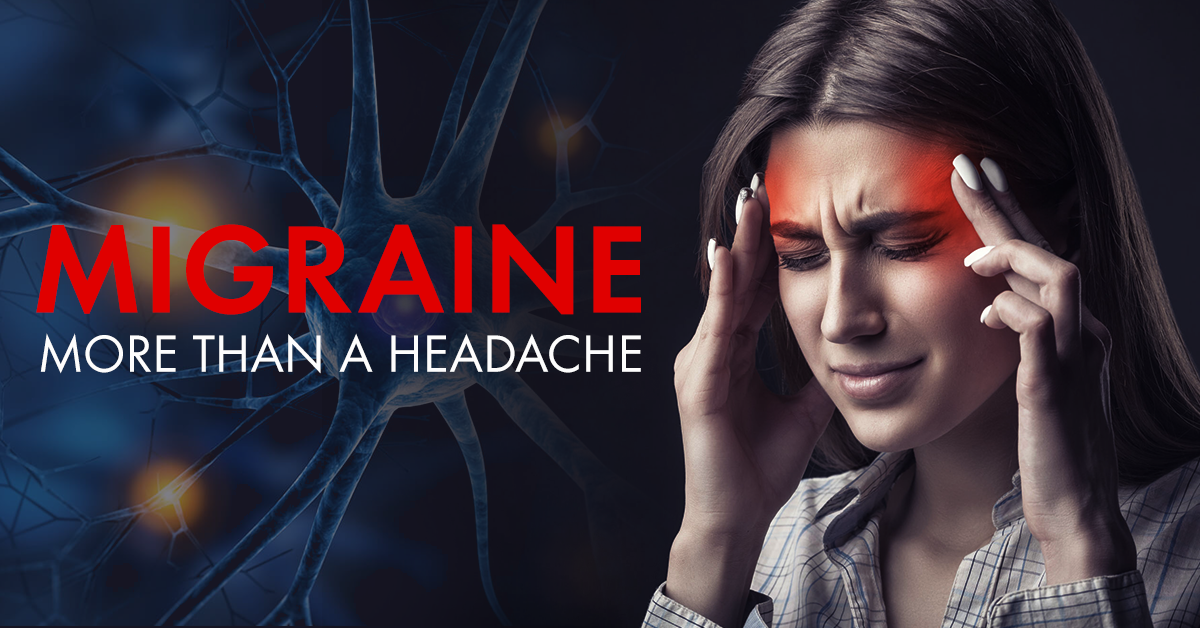
Migraines are more than just severe headaches. They are a neurological disorder that influences sensory processing, pain pathways, and how the brain communicates with surrounding nerves and blood vessels. While not every headache is a migraine, migraines form one of the most common disabling headache conditions globally, affecting people across age groups and lifestyles.

Understanding What Migraine Is 

For many individuals, migraines begin in adolescence or early adulthood and follow a fluctuating pattern over the years, often easing after the age of 50. Understanding your migraine type and triggers helps in early intervention and more effective management. 

  • Migraine is a centrally mediated pain disorder, meaning the issue originates in the brain and spinal cord rather than from external factors.
  • It commonly affects one side of the head, though pain can shift or present bilaterally in some individuals.
  • During an attack, the brain’s nerve pathways become overactive and cause the release of chemicals that inflame blood vessels, producing pain and neurological symptoms. 

What Causes Migraines? 

Researchers now understand migraines as a genetic neurological condition, not a psychological or stress-induced disorder. Several mechanisms contribute to migraine development: 

Key biological factors are:

  • Migraine is influenced by gene variations that affect how the brain handles pain signals.
  • Overactive nerve cells trigger the release of chemicals like serotonin and prostaglandins, which cause blood vessels to swell.
  • Hormonal fluctuations, especially changes in estrogen, play a major role in women. 

Studies also show that people with migraines may have increased sensitivity in the trigeminal nerve pathway. 

Common Symptoms of Migraine  

Migraine symptoms vary depending on the stage of the attack. Most individuals experience a combination of neurological, sensory, and gastrointestinal signs.

Common symptoms are: 

  • Nausea and vomiting-props
  • Eye or facial pain 
  • Sensitivity to light, sound, or smell 
  • Sweating or chills
  • Pallor (pale skin) 
  • Fatigue or excessive sleepiness 
  • Dizziness or vertigo 
  • Loss of appetite 

Migraine Phases (Updated Clinical Breakdown) 

Phase What Happens
Prodrome Mood changes, food cravings, irritability, neck stiffness
Aura (optional) Visual disturbances, flashing lights, sensory changes
Attack Phase Throbbing headache, nausea, sensitivity to light and sound
Postdrome Exhaustion, confusion, difficulty concentrating

 What Triggers a Migraine? 

Migraines are influenced by a combination of environmental, dietary, lifestyle, and hormonal factors. Here are a few triggers you must avoid to help reduce migraine frequency. 

  • Weather changes like humidity, storm fronts, or altitude shifts 
  • Bright or flickering lights 
  • Excess physical or emotional stress 
  • Fatigue or inadequate sleep 
  • Skipping meals or dehydration 
  • Strong odours such as smoke or perfumes 
  • Loud noises 
  • Certain medications (e.g., vasodilators) 
  • Overuse of headache medicines 

Emerging Triggers Identified Recently 

As daily routines evolve, so do the factors that influence migraine activity. Staying aware of these newly emerging triggers supports more effective preventive care: 

  • Excessive screen exposure 
  • Blue light sensitivity 
  • Poor ergonomic posture 
  • High-caffeine energy drinks 

Types of Migraines 

Migraines present in multiple clinical forms. Knowing the type helps in choosing the right treatment. 

Migraine Type Key Features
Common Migraine (without aura) Most frequent form; throbbing pain without visual symptoms
Classic Migraine (with aura) Aura precedes headache; severe sensory symptoms
Silent Migraine (Acephalgic) Aura symptoms without head pain
Hemiplegic Migraine Temporary weakness on one side of the body; stroke-like presentation
Retinal Migraine Temporary vision loss in one eye; usually reversible
Chronic Migraine Occurs 15 or more days per month for at least 3 months
Status Migrainosus Attack lasting longer than 72 hours

Understanding the migraine category ensures that treatment is effective and properly targeted. 

Latest Migraine Treatments & Management Options 

There is no permanent cure for migraines yet, but modern therapies have become far more effective in reducing pain and preventing future attacks.

1. Acute (Abortive) Treatments

Used at the onset of symptoms: 

  • Triptans 
  • Gepants (new generation medications) 
  • NSAIDs 
  • Anti-nausea medications 
  • Dihydroergotamine nasal sprays

2. Preventive Treatments

For those with frequent migraines: 

  • Beta-blockers 
  • Anti-epileptic drugs 
  • CGRP inhibitors (latest therapy for long-term prevention) 
  • Antidepressants 
  • Hormone regulation therapy (for menstrual migraine) 

3. Non-medication Therapies

  • Cognitive behavioural strategies 
  • Stress reduction and breathing exercises 
  • Cold therapy or migraine patches 
  • Magnesium and riboflavin supplements (after medical supervision)

4. Lifestyle Management

  • Maintaining regular sleep cycles 
  • Structured hydration and nutrition 
  • Reducing caffeine 
  • Regulated screen time 
  • Mindfulness and yoga-based interventions 

Updated 2026 Recommendations for Mirgraine 

  • Many patients benefit from digital migraine tracking apps to identify triggers. 
  • Blue light–filtering glasses significantly reduce attack frequency in screen-heavy lifestyles. 
  • Early use of CGRP biologics reduces long-term disability in chronic migraine cases. 

When Should You See a Doctor? 

Seek medical attention if: 

  • Headaches worsen or increase in frequency 
  • Neurological symptoms appear (weakness, speech difficulty) 
  • Headaches disrupt daily routine 
  • Pain lasts for more than 72 hours 
  • Medication overuse is suspected 

Conclusion 

Migraine is a complex neurological condition that requires a personalised, science-backed management approach. Understanding the symptoms, recognising triggers, and adopting the right treatment plan can significantly reduce the frequency and severity of attacks. With emerging therapies and deeper insights into migraine pathways, patients now have more tools than ever to regain control over their daily lives. 

At Regency Hospitals, we focus on comprehensive neurological care supported by advanced diagnostics and specialist-led treatment frameworks to help patients navigate migraine challenges confidently. With access to the best neurologist in Gorakhpur, individuals receive guided, outcome-driven care designed to evolve as their needs change. 

Frequently Asked Questions (FAQs) 

How to make a migraine go away?

Resting in a dark, quiet room, staying well hydrated, and taking prescribed medications like triptans or NSAIDs early can help stop a migraine. Cold compresses and relaxation techniques may also shorten the attack.

What is the main cause of migraines?

Migraines are caused by abnormal brain activity involving nerves, blood vessels, and chemical messengers. Genetics, hormonal changes, and sensory triggers often play a significant role.

What are the 5 C’s of migraines?

The 5 C’s refer to Caffeine, Chocolate, Cheese, Citrus, and Chinese food, which are common dietary migraine triggers for some people, though not everyone is affected by all of them.

Is migraine very serious?

Migraines are not life-threatening, but they can be highly disabling and affect daily life. Sudden or unusual changes in symptoms should be checked by a doctor.

Is migraine a brain problem?

Yes, migraine is a neurological disorder linked to changes in brain activity and sensory processing. It involves nerve pathways and chemicals that control pain signals.

What are the first signs of a migraine?

Early warning signs may include mood changes, neck stiffness, fatigue, light sensitivity, and food cravings. Some people also experience visual disturbances before the headache starts.

Is migraine a stage of depression?

No, migraine is not a stage of depression, but the two conditions can occur together. Ongoing migraines may increase the risk of anxiety or depression due to chronic pain and disruption to daily life.

Read More:

Request a call back


    Leave a Reply

    Your email address will not be published. Required fields are marked *


    © 2025 - Regency Healthcare

    Call Back

    Book an Appointment