Gut health matters. And yet, it’s one of those things most of us don’t think about until something goes wrong. Bloating? Gas? Feeling tired for no reason? Your gut might be trying to send you a message.
Blogs
Gut health matters. And yet, it’s one of those things most of us don’t think about until something goes wrong. Bloating? Gas? Feeling tired for no reason? Your gut might be trying to send you a message.
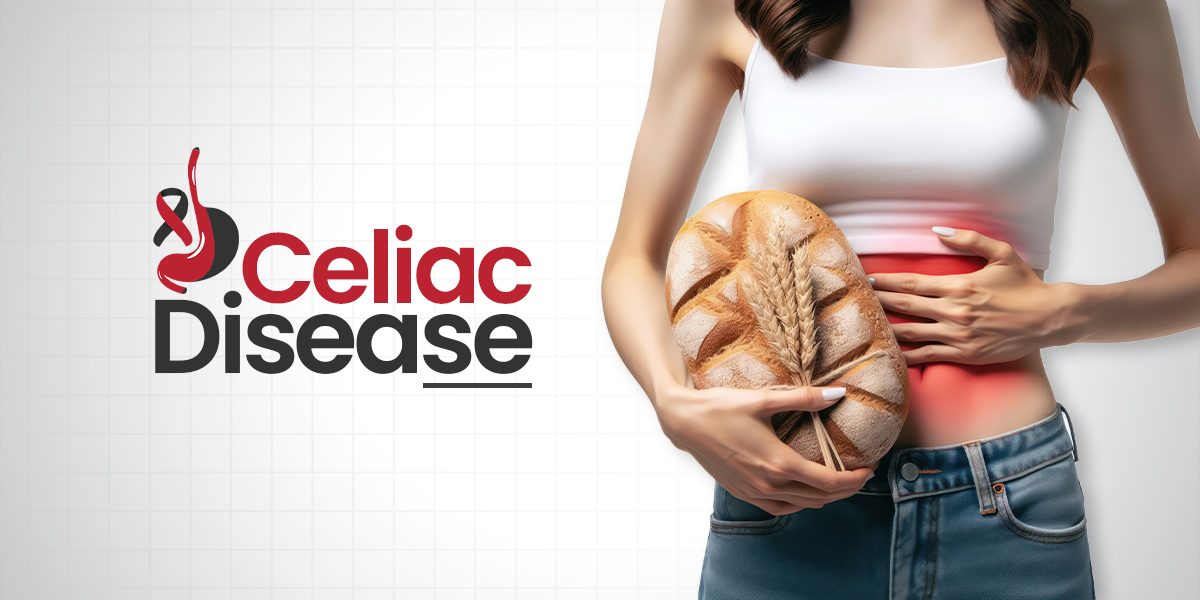
Celiac Disease is an illness stemming from an immune reaction against gluten consumption. Gluten is a substance present in whole grains like barley, wheat, rye and more. A person with Celiac disease is prevented from eating gluten as it triggers an allergic reaction in the small intestine. Over time, if not taken care of, the small intestine lining is damaged.
Digestion is an aspect that affects total wellness in ways that many individuals do not fully comprehend. It is a crucial factor when it comes to nutrient assimilation, immune strength, and even mental well-being. Digestive health makes sure that the body receives what it needs in terms of nutrients and eliminates waste effectively. Due to the nature of modern life, it is common for digestion to be affected by negative eating practices, stress, and a lack of exercise. Fortunately, it is possible to make improvements to gut function simply by making some natural adjustments. In this guide, you will learn more about how to boost digestive wellness naturally.
Understanding how to improve digestion is essential for maintaining overall health, immunity, and energy levels. Your digestive system plays a central role in breaking down food, absorbing nutrients, and eliminating waste. When digestion is sluggish or imbalanced, it can lead to discomfort, bloating, constipation, acidity, and long-term gut issues.
Constipation is a common digestive concern that many people experience at some point in their lives, yet it is often overlooked or misunderstood. It may start as an occasional issue but can gradually affect daily comfort, energy levels, and overall well-being if not addressed properly. Irregular eating habits, low fiber intake, dehydration, and lack of physical activity are some of the most common reasons behind digestive disturbances. While constipation may seem minor, ignoring it can lead to persistent discomfort and, in some cases, more serious health complications. This guide is designed to help you take control of your digestive health with practical, easy-to-follow solutions.
Millions of people around the world experience a common gastrointestinal condition known as peptic ulcers. Even though they are common, there are many myths and misunderstandings surrounding them. Knowing the symptoms and preventions of peptic ulcers is essential to learning how to cure ulcers easily. In this blog, we will gather information about peptic ulcers to help you take control of your digestion.
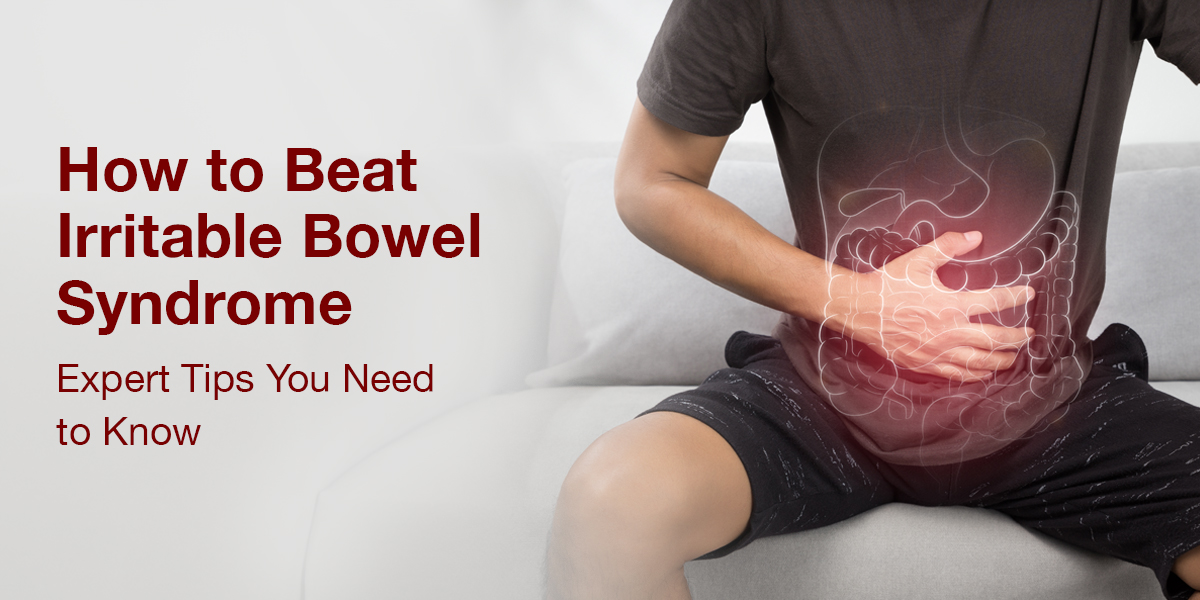
Do you frequently suffer from unexplained stomach aches? It can be irritable bowel syndrome. This condition can hamper your day-to-day life. However, effective management can help you ease your troubles. In this blog, we will understand what irritable bowel syndrome is, its symptoms, and the treatment for it.
The stomach is part of the body's digestive system. It produces acids and enzymes that break down food before passing it to the small intestine. Cancer can develop in any part of the stomach and spread up towards the esophagus (the tube that connects the mouth to the stomach) or down into the small intestine or to adjacent organs like the gallbladder, bile duct and pancreas.
The term eating disorder covers a range of unique mental illnesses that involve disordered eating behavior. The one issue all eating disorders have in common- besides a lack of control over eating habits- is that they can progress and cause serious, even permanent damage to your mental and physical health. But even though they are serious illnesses, eating disorders are treatable. Eating disorders may be caused by several factors. These include genetics, brain biology, personality traits, and cultural ideals. Any two people with the same eating disorder can have somewhat different symptoms and experiences. It’s also possible for someone to move between diagnoses if their symptoms change – there is often a lot of overlap between different eating disorders.
A medical condition caused due to the accumulation of excess body fat, obesity increases the risk of several other diseases and health problems such as high blood pressure, type 2 diabetes, cardiovascular diseases, osteoarthritis, and depression. A person is considered obese when his body mass index (BMI) is over 30 kg/m2. A healthy, well-balanced diet and an active lifestyle can easily prevent this disorder by eliminating excess fat from the body and bringing the BMI down to normal.