

 Call-an-Ambulance
Bone Marrow Explained: How It Works and Why It Matters
The human body depends on many systems working together to stay healthy, and one of the most important, yet least talked about, is bone marrow. Although it is hidden inside our bones, bone marrow plays a vital role in keeping us alive by producing blood cells that carry oxygen, fight infections, and control bleeding.
Many people hear about bone marrow only when someone needs a transplant or is diagnosed with a serious blood-related condition. Understanding how bone marrow works and why it matters can help people recognise symptoms early and seek timely medical care.
What Is Bone Marrow?
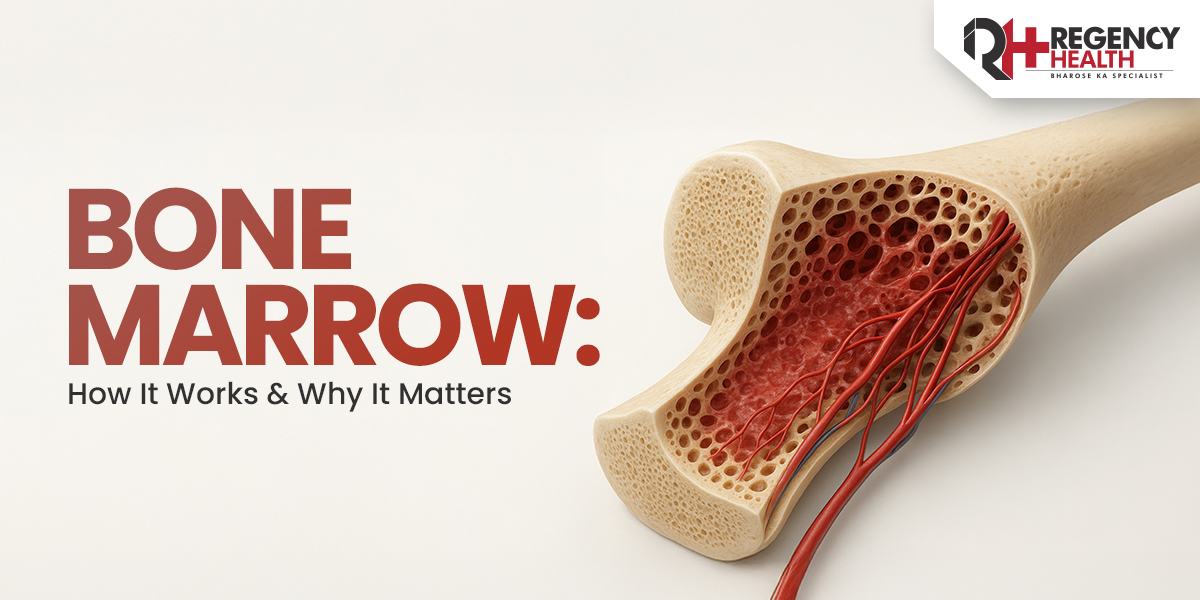
If you’ve ever wondered what is bone marrow, it is the soft, spongy tissue found inside certain bones such as the hip bone, thigh bone, ribs, and breastbone. Bone marrow is responsible for producing stem cells, which later develop into different types of blood cells.
There are two main types of bone marrow:
- Red bone marrow – Produces red blood cells, white blood cells, and platelets
- Yellow bone marrow – Stores fat and can convert to red marrow if needed
This process of blood cell formation is called hematopoiesis and is essential for survival.
Why Bone Marrow Is So Important
Bone marrow supports many critical body functions, including:
- Supplying oxygen to tissues through red blood cells
- Protecting the body from infections through white blood cells
- Preventing excessive bleeding through platelets
Without healthy bone marrow, the body cannot maintain normal blood cell levels, leading to fatigue, infections, and bleeding disorders.
How Bone Marrow Works
Bone marrow contains stem cells that constantly divide and mature into:
- Red blood cells (RBCs) – Carry oxygen
- White blood cells (WBCs) – Fight infections
- Platelets – Help blood clot
These cells enter the bloodstream once they mature. Any disruption in this process can lead to serious health conditions.
Bone Marrow Disorders and Diseases
When bone marrow does not function properly, it can result in various blood and immune disorders. One of the most serious conditions affecting this tissue is bone marrow cancer.
What Is Bone Marrow Cancer?
Bone marrow cancer occurs when abnormal cells grow uncontrollably within the marrow, affecting normal blood cell production. Common types include leukemia, multiple myeloma, and certain lymphomas.
Bone Marrow Cancer Symptoms
Recognising bone marrow cancer symptoms early can improve outcomes. Symptoms may develop gradually and are often mistaken for common illnesses.
Common Symptoms Include:
- Persistent fatigue and weakness
- Frequent infections
- Easy bruising or bleeding
- Bone pain, especially in the back or hips
- Unexplained weight loss
- Fever or night sweats
If these symptoms persist, medical evaluation is essential.
Bone Marrow Cancer Causes
The exact bone marrow cancer causes are not always known, but several risk factors have been identified:
| Risk Factor | Explanation |
|---|---|
| Genetic mutations | Changes in DNA affecting blood cell growth |
| Radiation exposure | High levels can damage marrow cells |
| Chemical exposure | Benzene and certain toxins |
| Family history | Increased risk in some cases |
| Weakened immunity | Reduced ability to control abnormal cell growth |
Understanding these causes helps doctors plan appropriate monitoring and treatment strategies.
Bone Marrow Transplant: When Is It Needed?
A bone marrow transplant is recommended when the marrow is unable to produce healthy blood cells or has been damaged by disease or treatment such as chemotherapy.
Conditions That May Require a Transplant:
During a transplant, damaged bone marrow is replaced with healthy stem cells from a donor or the patient’s own body.
Types of Bone Marrow Transplants
| Types | Description |
|---|---|
| Autologous transplant | Uses patient’s own stem cells |
| Allogeneic transplant | Uses stem cells from a matched donor |
| Haploidentical transplant | Uses a partially matched donor |
Each type has specific indications and risks, and the choice depends on the patient’s condition.
What Is a Bone Marrow Biopsy?
A bone marrow biopsy is a diagnostic procedure used to examine marrow health. Doctors may use a bone marrow biopsy needle to collect a small sample of marrow, usually from the hip bone.
Why a Biopsy Is Done:
- To diagnose blood disorders or cancers
- To assess the stage of disease
- To monitor treatment response
The procedure is typically done under local anesthesia and is safe when performed by experienced medical professionals.
Is a Bone Marrow Biopsy Painful?
Most patients feel pressure rather than pain. Mild discomfort may occur during or after the procedure, but it usually resolves within a day or two.
Life After Bone Marrow Treatment
Recovery after bone marrow-related treatments depends on the condition and type of therapy received. Patients may need:
- Regular blood tests
- Infection prevention measures
- Nutritional support
- Long-term follow-up care
With proper medical support, many individuals return to normal daily activities.
When Should You See a Doctor?
Medical consultation is advised if you experience:
- Persistent fatigue
- Frequent infections
- Unexplained bruising or bleeding
- Ongoing bone pain
Early diagnosis plays a key role in effective treatment and recovery.
Where Expertise and Advanced Care Come Together
Access to advanced diagnostic tools, experienced specialists, and comprehensive care is essential for managing bone marrow disorders. Patients seeking reliable care often look for facilities recognized as the best hospital in Kanpur, where multidisciplinary teams follow evidence-based protocols and patient-centered treatment approaches, such as those practiced at Regency Hospitals.
Conclusion
Bone marrow plays a fundamental role in keeping the body healthy by continuously producing the blood cells needed for oxygen transport, immunity, and clotting. When bone marrow functions properly, it supports overall strength, resistance to infections, and balanced body systems. However, disorders affecting bone marrow can disrupt these processes and lead to serious health conditions if not identified early.
Understanding how bone marrow works, recognizing warning signs such as persistent fatigue or frequent infections, and knowing when medical evaluation is needed can make a significant difference in outcomes. With timely diagnosis, appropriate treatment, and expert medical care, many bone marrow conditions can be effectively managed, helping individuals maintain a better quality of life.
Frequently Asked Questions (FAQs)
What is bone marrow, and why is it important?
Bone marrow is soft tissue inside bones that produces blood cells essential for oxygen delivery, immunity, and clotting.
What diseases affect bone marrow?
Conditions include anemia, infections, bone marrow cancer, and genetic blood disorders.
When is a bone marrow transplant required?
A transplant is needed when bone marrow fails to produce healthy blood cells due to disease or treatment.
What are common bone marrow cancer symptoms?
Fatigue, frequent infections, easy bruising, bone pain, and unexplained weight loss are common symptoms.
Is a bone marrow biopsy safe?
Yes, it is a routine and safe procedure when done by trained healthcare professionals.
Read More:
- Cancer: Symptoms, Causes, Types, Stages, Treatment & Prevention
- Understanding Cancer: Types, Symptoms & Early Detection
- Types of Cancer Treatments and How They Can Be Cured
- 10 Commandments of Cancer Prevention