Blogs

Your guide to all the latest updates about the trending health topics.

Reduce-your-risk-of-lung-cancer-with-these-lifestyle-changes-1200x800.png

Lung cancer can affect both smokers and non-smokers, although smoking remains its leading risk factor. Other factors, including long-term exposure to second-hand smoke, certain workplace substances, air pollution, previous radiation exposure and family history, can also influence risk. Knowing the major risk factors and recognising possible lung cancer symptoms can help people understand when medical evaluation may be appropriate. Early assessment is particularly important because lung cancer may not cause noticeable symptoms in its early stages.
Stomach-Cancer-1200x608.jpg

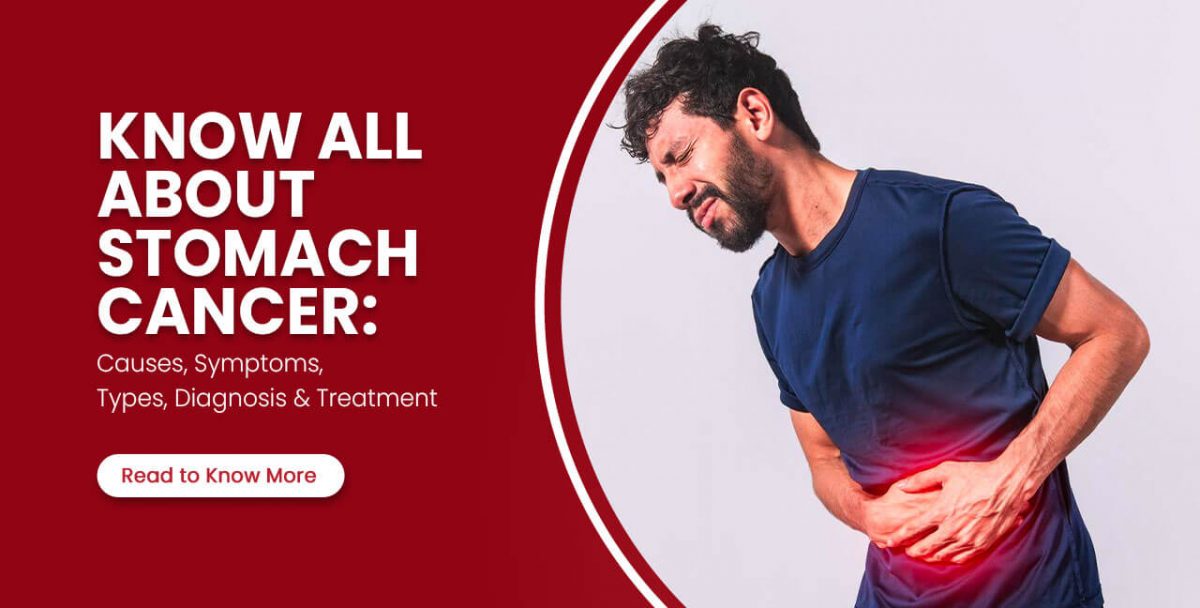
The stomach is an important part of the digestive system. It stores food, mixes it with digestive juices and helps break it down before it moves into the small intestine. Stomach cancer, also called gastric cancer, develops when abnormal cells in the stomach grow uncontrollably and form a tumour. In some cases, these cancer cells can grow through the stomach wall and spread to nearby lymph nodes or other organs.


Throat-Cancer-1.jpg

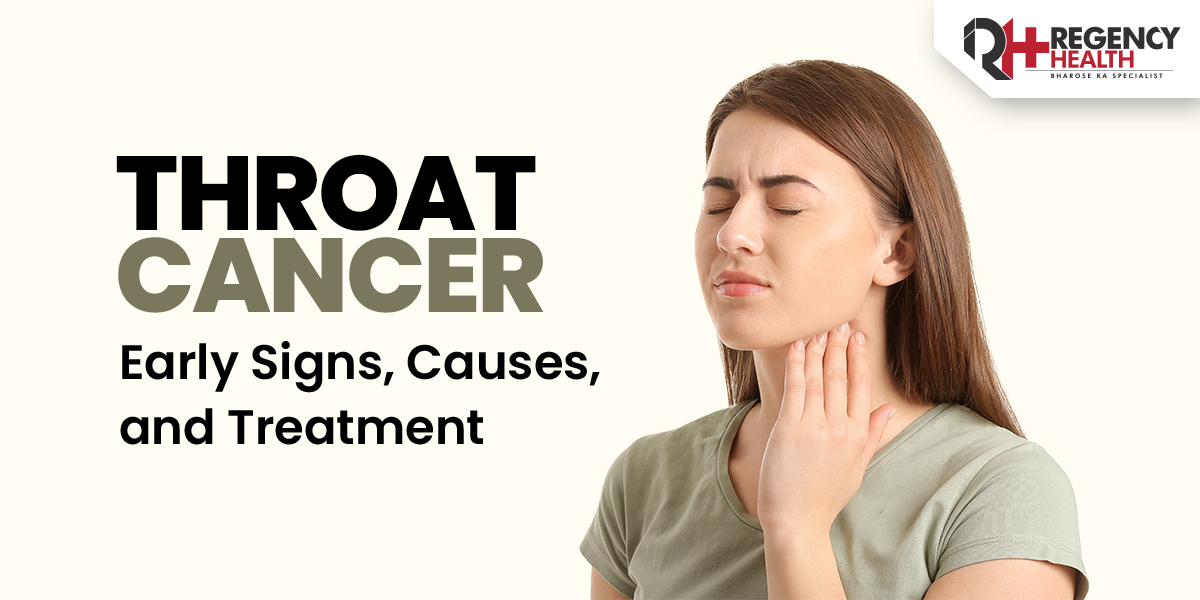
Throat cancer is a serious medical condition that affects the throat (pharynx), voice box (larynx), or tonsils. It can interfere with essential functions such as speaking, swallowing, and breathing. While it may develop gradually, recognizing early throat cancer symptoms can make a significant difference in treatment outcomes. Many people are not aware of the signs of throat cancer, which often leads to delayed diagnosis. Understanding what is throat cancer, along with its risk factors and treatment options, is crucial for early detection and better recovery. In this article, we will cover everything you need to know, including the causes of throat cancer, symptoms, diagnosis, and available treatments.


09-1.jpg

Cancer affecting blood cells can be complex and often difficult to recognize in its early stages. One such condition is multiple myeloma, a type of blood cancer that develops in plasma cells within the bone marrow. Although relatively uncommon compared to other cancers, it can significantly impact bone health, immunity, and overall body function. Many people first learn about this disease while searching for answers about persistent bone pain, frequent infections, or unexplained fatigue. Understanding what is multiple myeloma, recognizing early warning signs, and knowing the available treatment options can help patients seek timely medical care. Advances in medical science have improved the diagnosis and multiple myeloma treatment, helping many patients manage the disease effectively and maintain a better quality of life.


Cancer-can-be-easily-prevented-by-tweaking-your-habits-1-1200x800.png

Cancer is one of the leading causes of death worldwide, but many cases can be prevented with healthier daily habits and timely medical care. While not every case of cancer can be avoided completely, research shows that lifestyle choices play a major role in reducing the risk. Simple changes in diet, physical activity, smoking habits, stress management, and regular health checkups can make a meaningful difference in long-term health. Today, increasing awareness about prevention is just as important as treatment. Understanding the different types of cancer, identifying personal risk factors, and following practical steps to prevent cancer can help individuals make informed decisions for themselves and their families. This article explains 10 effective lifestyle choices that may help lower the risk of cancer while improving overall well-being.


Bone-Marrow.jpg

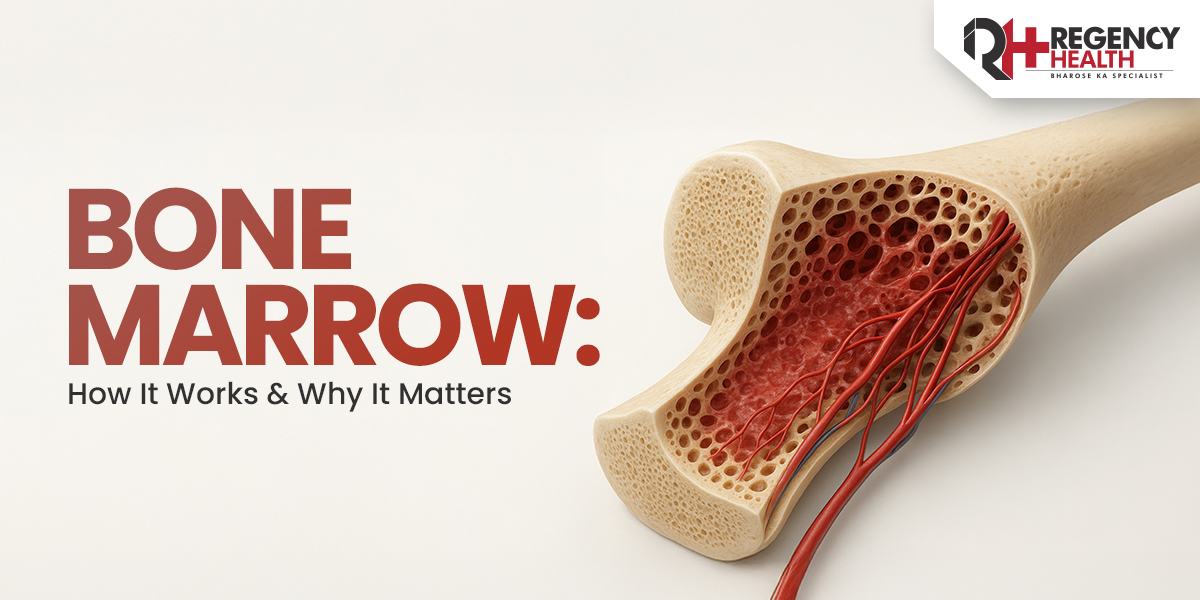
The human body depends on many systems working together to stay healthy, and one of the most important, yet least talked about, is bone marrow. Although it is hidden inside our bones, bone marrow plays a vital role in keeping us alive by producing blood cells that carry oxygen, fight infections, and control bleeding. Many people hear about bone marrow only when someone needs a transplant or is diagnosed with a serious blood-related condition. Understanding how bone marrow works and why it matters can help people recognise symptoms early and seek timely medical care.


01.jpg

Blood cancer is a serious group of diseases that impact the blood, bone marrow, and lymphatic system. Thanks to advancements in medical science, many forms of this condition are now more manageable, especially when detected early. Timely diagnosis and appropriate treatment have played a key role in improving survival outcomes. Having a clear understanding of the condition, its early signs, possible causes, and treatment options can help individuals and families make informed healthcare decisions.


Oral-cancer.jpeg

Oral cancer is one of the most common cancers that affects the mouth and its surroundings. Despite diagnosis and treatments, this remains a global health concern, especially in regions with high tobacco and alcohol consumption. The dangerous part of oral cancer is that it often goes unnoticed in its early stages. Therefore, keeping a clear understanding of this is essential. In this post, we’ll understand what is oral cancer, its symptoms, stages, causes, and treatment options.


04.jpg

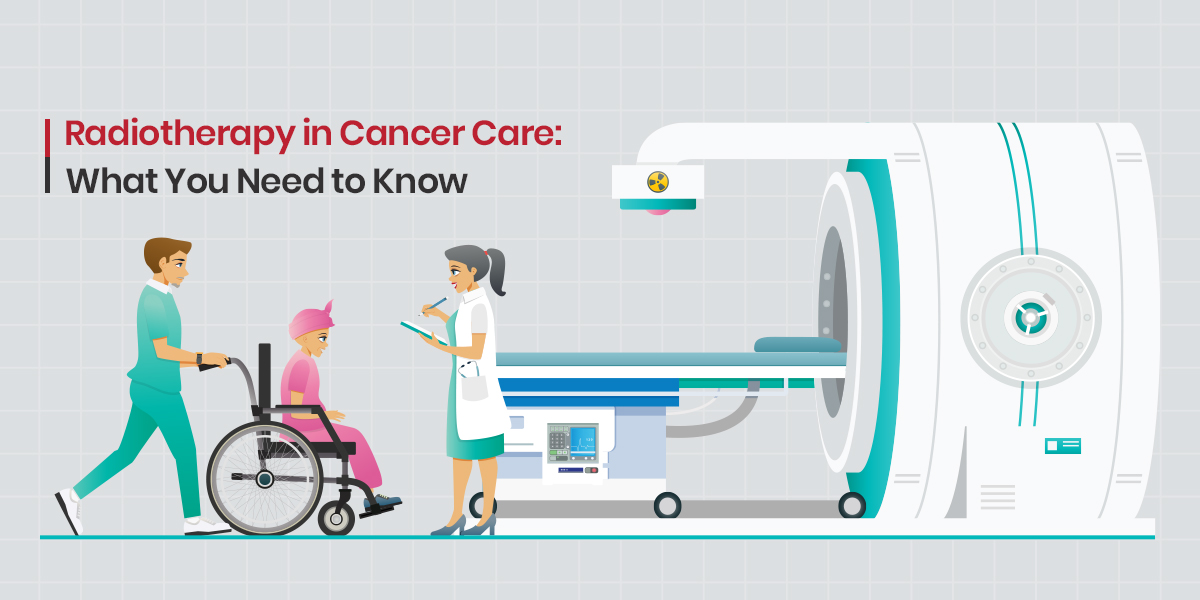
Radiotherapy is one of the most commonly used treatments for cancer. It is crucial to help patients to fight cancer. It uses high-energy radiation to destroy cancer cells. With the improvement in technology, radiotherapy has become more precise, safer, and more effective. In this post, we’ll try to find answers to what is radiotherapy, how it works, the different techniques and its side effects.


© 2026 - Regency Healthcare

Call Back

Book an Appointment