
 Call-an-Ambulance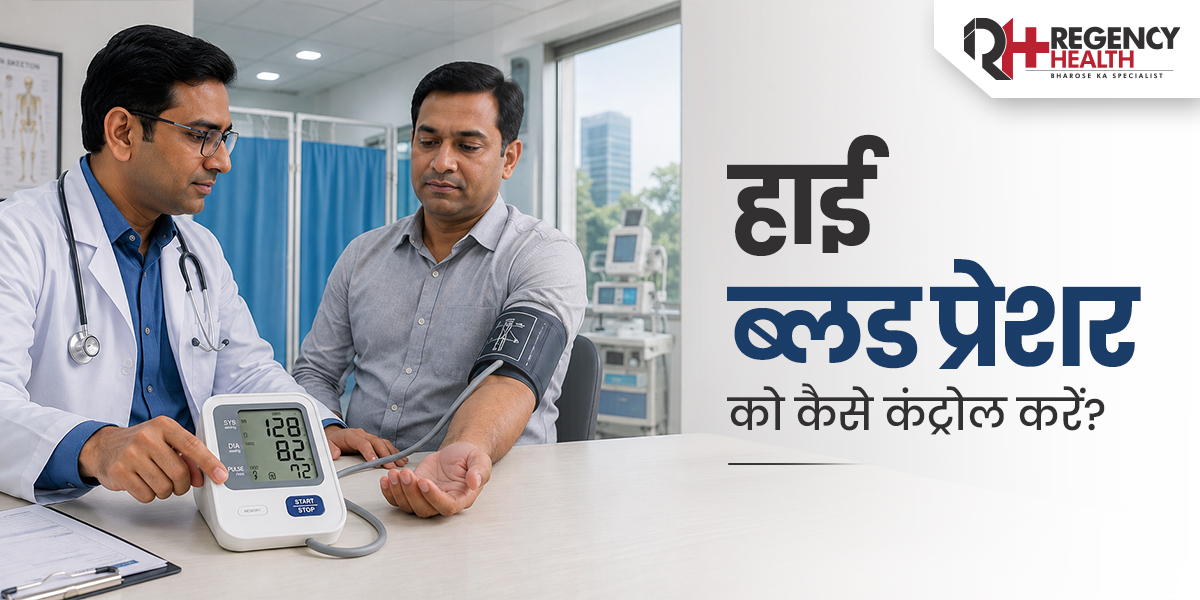
आज की भागदौड़ भरी जिंदगी, तनाव, अनियमित खानपान और शारीरिक गतिविधियों की कमी के कारण हाई ब्लड प्रेशर (High Blood Pressure) की समस्या तेजी से बढ़ रही है। पहले इसे केवल बढ़ती उम्र की बीमारी माना जाता था, लेकिन अब युवा भी इसकी चपेट में आ रहे हैं।
Blogs
Your guide to all the latest updates about the trending health topics.
आज की भागदौड़ भरी जिंदगी, तनाव, अनियमित खानपान और शारीरिक गतिविधियों की कमी के कारण हाई ब्लड प्रेशर (High Blood Pressure) की समस्या तेजी से बढ़ रही है। पहले इसे केवल बढ़ती उम्र की बीमारी माना जाता था, लेकिन अब युवा भी इसकी चपेट में आ रहे हैं।
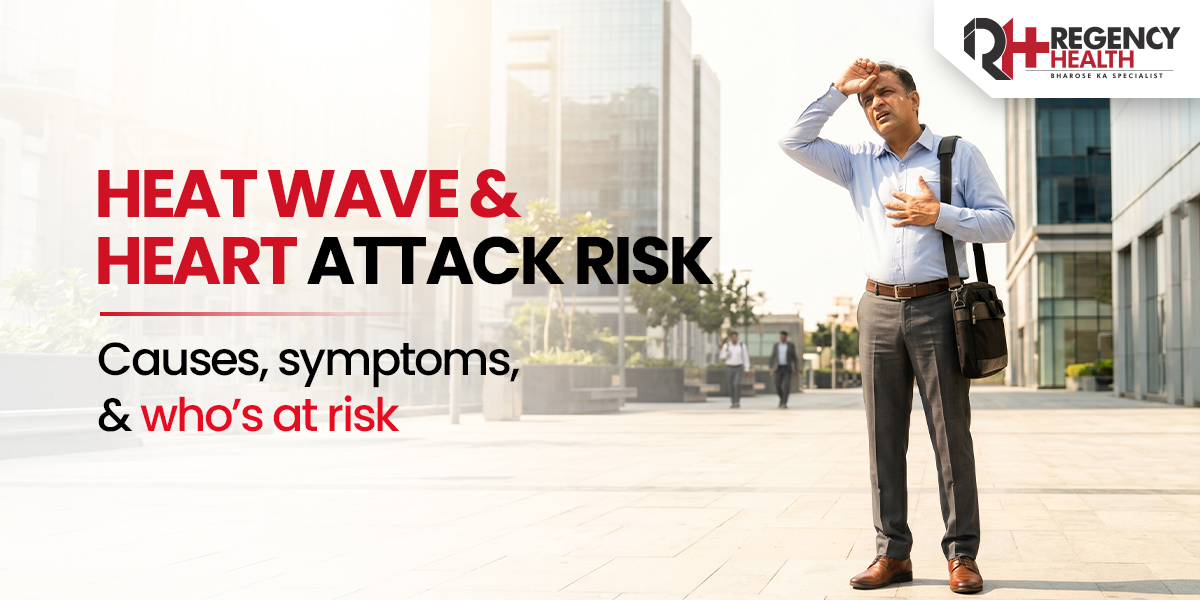
A heat wave is a period of unusually high temperatures that can have serious effects on human health. With rising global temperatures, heat waves are becoming more frequent and intense, especially in countries like India. Understanding what is a heat wave and how it impacts the body is important to stay safe during extreme weather conditions.
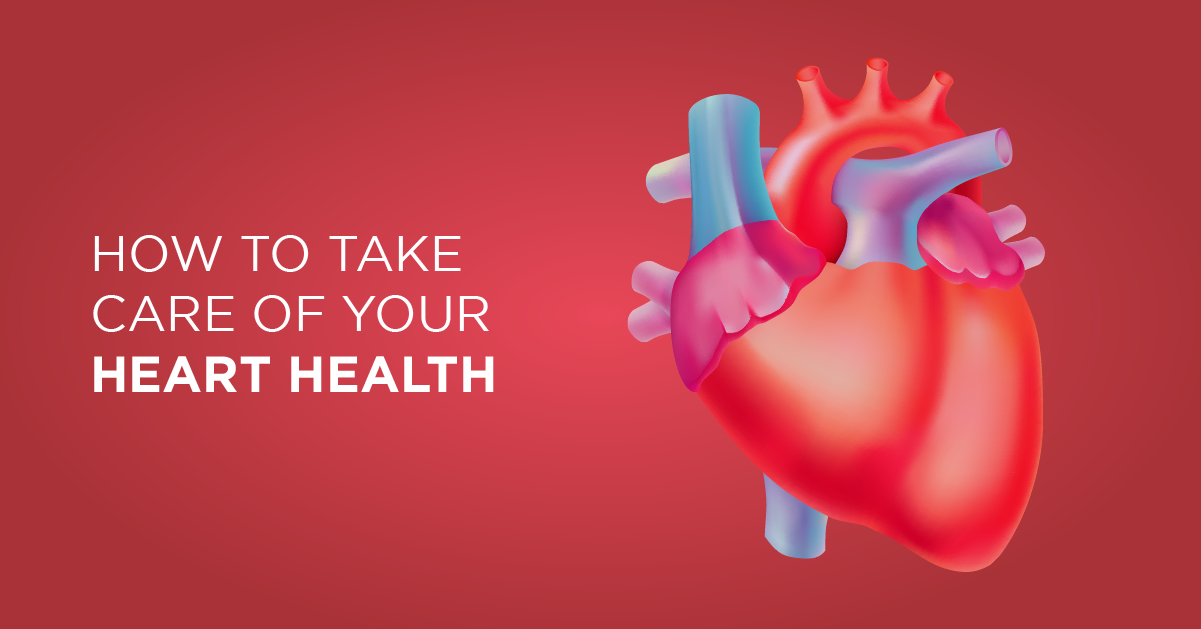
Your heart works continuously throughout your life, pumping blood and oxygen to every part of your body. Maintaining good heart health is essential not only for preventing heart disease but also for supporting overall well-being, energy levels, and longevity. According to health experts worldwide, cardiovascular diseases remain one of the leading causes of death, but many heart-related conditions can be prevented through healthy lifestyle choices.

When people hear the word cholesterol, they often associate it with heart attacks, blocked arteries, or strokes. While high cholesterol is a major risk factor for cardiovascular disease, the truth is that cholesterol itself is not the enemy. In fact, your body needs it to function properly. The key lies in understanding the difference between good cholesterol and bad cholesterol. One type helps protect your heart, while the other can increase the risk of serious health conditions when present in excess.

Heart disease is one of the most serious health issues in today’s world. The most worrying thing about it is that it develops slowly, often without noticeable symptoms in the early stages. However, the good news is that many heart-related conditions can be prevented or managed effectively through timely lifestyle changes, regular monitoring, and medical support when required. Understanding heart disease symptoms, identifying common causes, and seeking appropriate treatment at the right time can significantly improve long-term heart health.
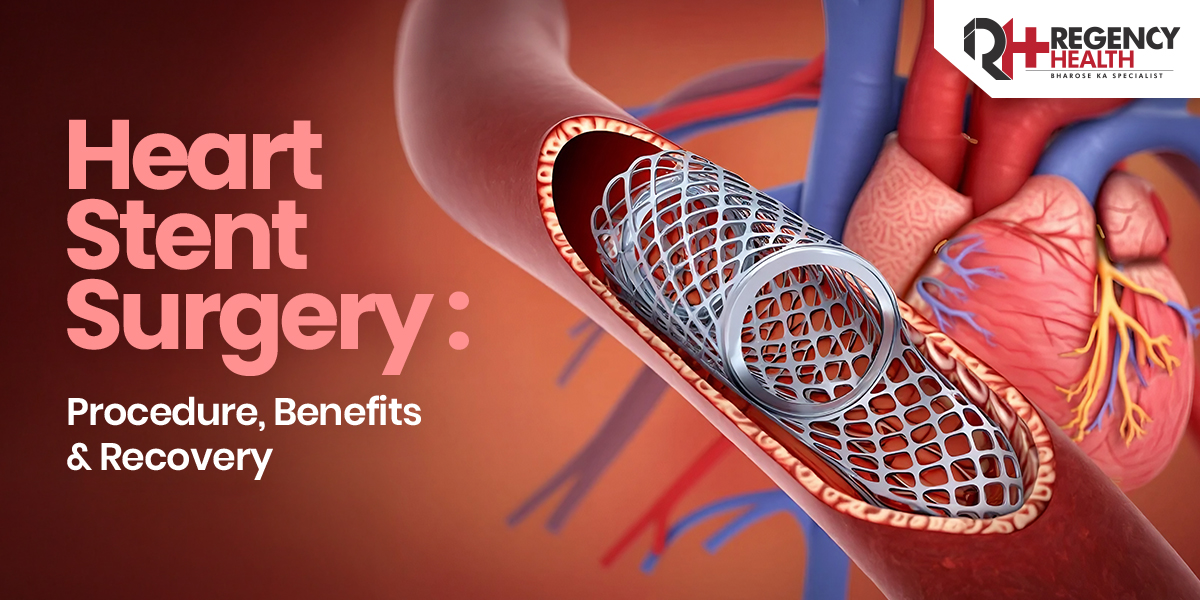
Heart-related problems have become increasingly common due to lifestyle changes, stress, and underlying medical conditions such as diabetes and high blood pressure. One of the most effective and widely performed treatments for blocked heart arteries is the Heart Stent procedure. It helps restore proper blood flow to the heart, reducing the risk of heart attacks and improving quality of life.

Angioplasty is a minimally invasive procedure used to open narrowed or blocked blood vessels. The term “angio” means blood vessels, and “plasty” means to form. Angioplasty aims to restore normal blood flow to reduce the risk of a heart attack. It has become one of the most common and effective treatments for coronary artery disease (CAD). Let's understand more in detail.
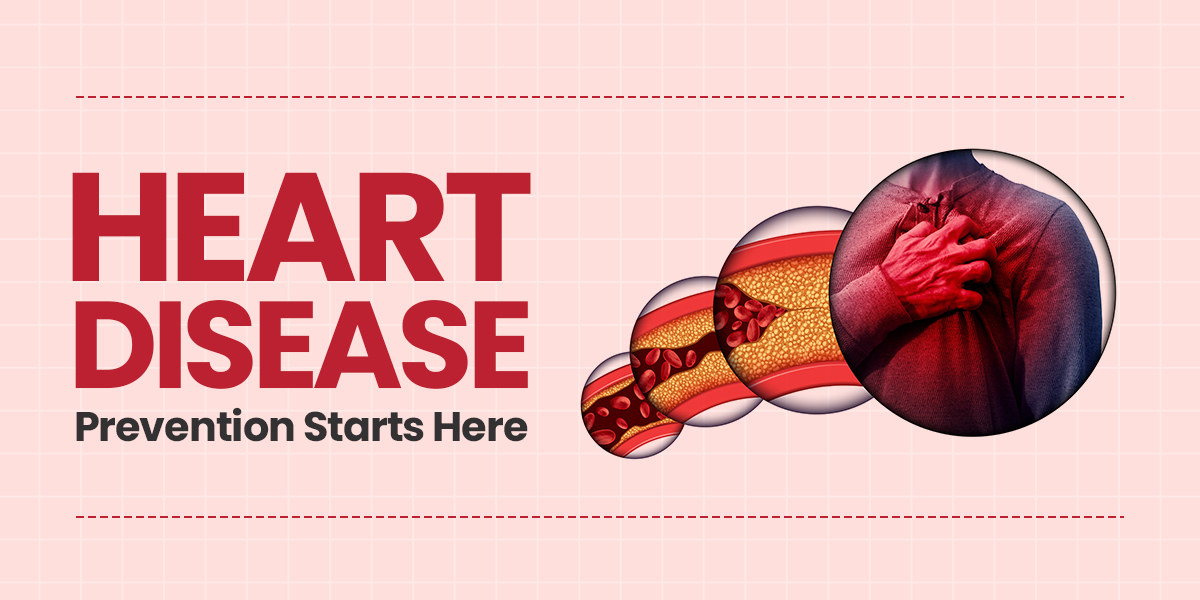
Heart disease is the leading cause of death globally, claiming millions of lives every year. Often called the “silent killer”, it is considered largely preventable. Through lifestyle changes, early detection, and medical intervention, one can reduce the risk and lead a healthier and longer life. In this post, we’ll understand everything from the symptoms of heart disease and causes to treatment options.
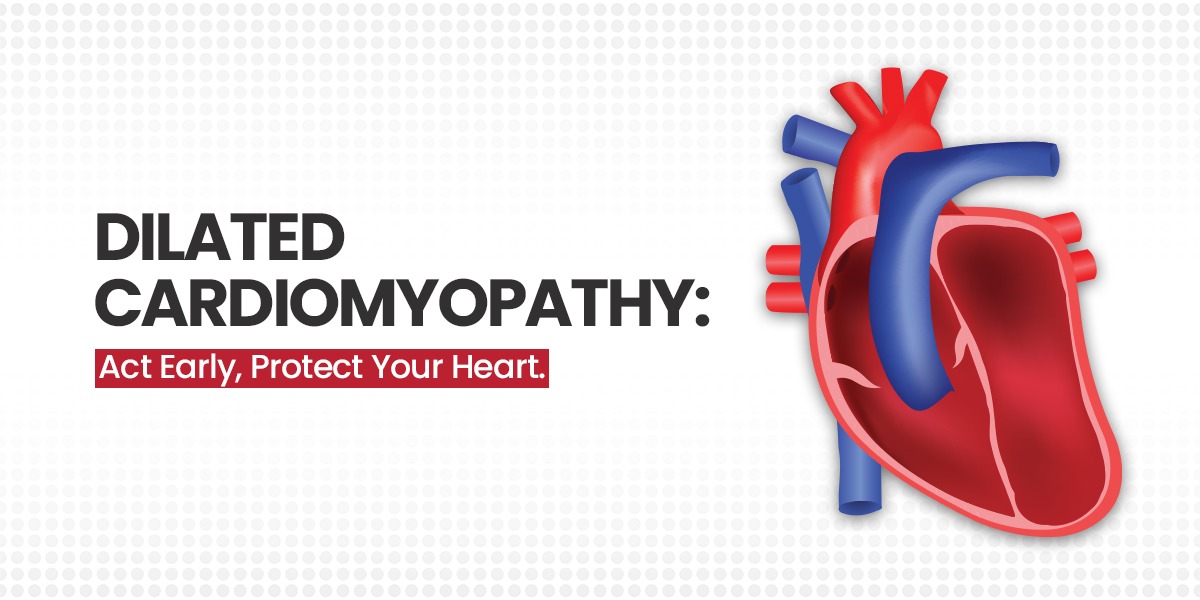
Dilated cardiomyopathy is a condition where the heart's main pumping chamber is enlarged and weakened. This impacts the heart’s ability to pump blood effectively. It can strike at any age, but it occurs more in adults aged 20 to 60. If identified early and dealt with in the right manner, serious issues such as heart failure or arrhythmias can be prevented.
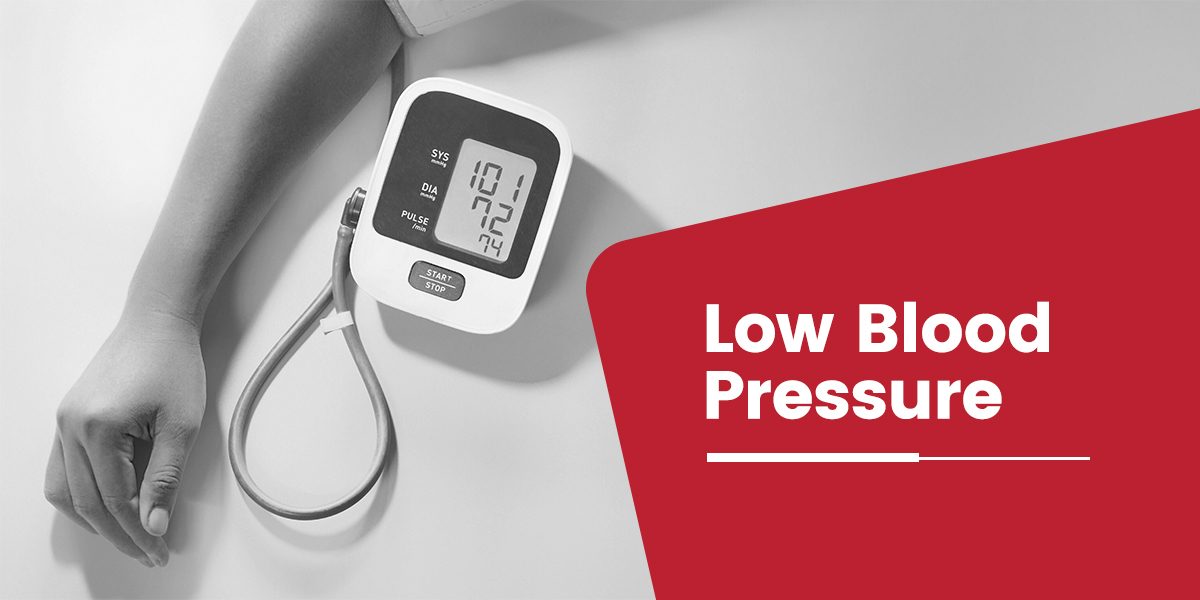
Low blood pressure, or hypotension, may not get as much attention as high blood pressure. But, it is equally harmful and can lead to inadequate blood flow to the brain, heart, and other vital organs. Reduced blood pressure is generally defined as a reading lower than 90/60 mm Hg.