

 Call-an-Ambulance
How to Cure Eczema Permanently: Myths vs Effective Approaches
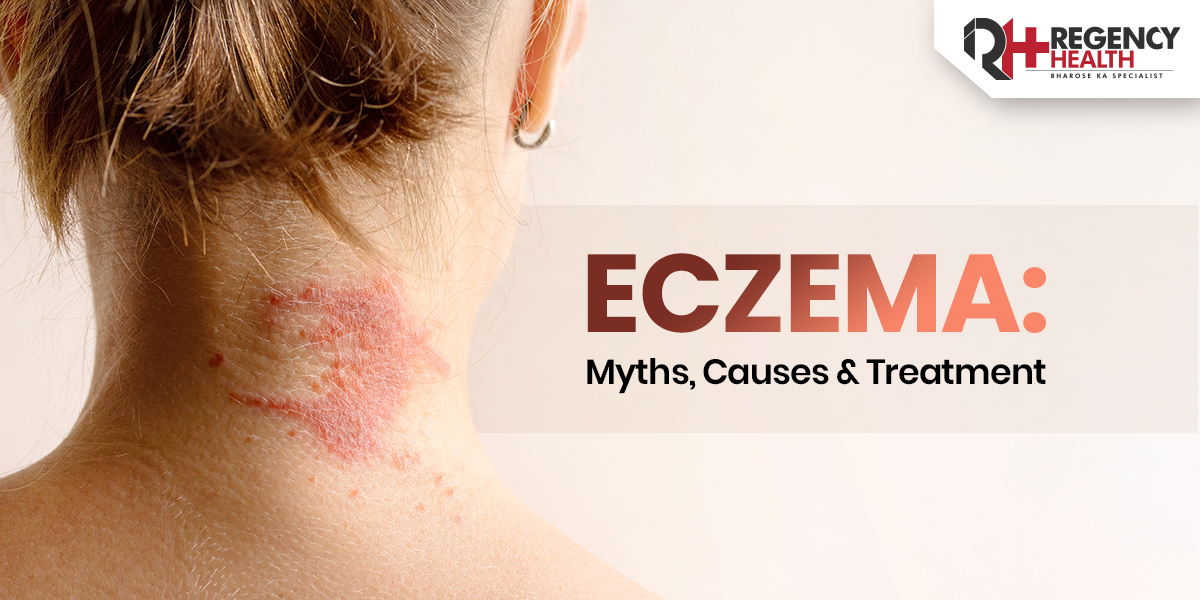
Introduction
Eczema is one of the most common skin conditions affecting millions of people around the world. It often leads to persistent itching, redness, dryness, and skin irritation that can interfere with daily comfort and overall quality of life. Because the condition tends to recur, many people search online for how to cure eczema permanently, hoping to find a lasting solution to manage their symptoms and prevent future flare-ups.
In reality, eczema is considered a chronic skin condition. This means that while it may not always have a permanent cure, it can be effectively managed with the right medical care, skincare routine, and lifestyle adjustments. Understanding what is eczema, identifying early eczema symptoms, and learning about the possible eczema causes can play an important role in controlling the condition and reducing the frequency of flare-ups.
This article provides a comprehensive overview of eczema, including its causes, symptoms, different types, and available treatment options. It also addresses common myths and misconceptions surrounding the condition. With the right knowledge, preventive measures, and expert medical guidance, individuals with eczema can manage their symptoms effectively and maintain healthier, more comfortable skin.
What Is Eczema?
Many people ask, what is eczema and why it keeps recurring. Eczema is a group of inflammatory skin conditions that cause itching, redness, dryness, and irritation. The most common form of eczema is atopic dermatitis, which usually begins in childhood but can also affect adults.
Eczema occurs when the skin barrier becomes weak and cannot retain moisture effectively. As a result, the skin becomes dry, sensitive, and prone to inflammation.
This condition is not contagious, meaning it cannot spread from one person to another. However, genetic factors, environmental triggers, and immune system responses play a major role in its development.
People with eczema often experience periods of flare-ups followed by phases where the skin improves. Proper skin care, lifestyle changes, and timely eczema treatment can help control these flare-ups.
Common Eczema Symptoms
Recognizing eczema symptoms early helps individuals seek treatment before the condition worsens. Symptoms can vary depending on the age of the patient and the severity of the condition.
Common Symptoms of Eczema
| Symptoms | Description |
|---|---|
| Itching | Persistent itching, especially at night |
| Dry Skin | Skin becomes rough, flaky, and dehydrated |
| Red or Inflamed Skin | Irritated patches may appear on the skin |
| Thickened Skin | Repeated scratching can cause skin thickening |
| Small Bumps | Fluid-filled bumps that may leak or crust |
These eczema symptoms may appear on different parts of the body, including the face, hands, elbows, knees, neck, and feet.
In infants, eczema often appears on the cheeks and scalp, while adults usually experience it on the hands, neck, and inside the elbows or knees.
Eczema Causes
Understanding eczema causes is important for preventing flare-ups. Eczema does not have a single cause; instead, it develops due to a combination of genetic, environmental, and immune system factors.
Major Eczema Causes
| Cause | Explanation |
|---|---|
| Genetics | Family history of eczema, asthma, or allergies |
| Weak Skin Barrier | Skin loses moisture easily |
| Immune System Response | Overreaction to irritants |
| Allergens | Dust, pollen, pet dander |
| Irritants | Soaps, detergents, chemicals |
| Weather Changes | Cold or dry climate can worsen eczema |
Certain lifestyle factors such as stress, sweating, harsh skincare products, and synthetic clothing may also trigger eczema flare-ups.
Identifying these eczema causes can help patients avoid triggers and manage the condition more effectively.
Different Eczema Types
There are several eczema types, each with different symptoms and triggers. Knowing the type helps doctors recommend appropriate eczema treatment.
Common Types of Eczema
| Types | Description |
|---|---|
| Atopic Dermatitis | Most common type, often linked to allergies |
| Contact Dermatitis | Triggered by skin contact with irritants |
| Dyshidrotic Eczema | Causes small itchy blisters on hands and feet |
| Nummular Eczema | Round-shaped patches on the skin |
| Seborrheic Dermatitis | Often appears on scalp and face |
Different eczema types require slightly different management strategies. Therefore, proper diagnosis by a healthcare professional is essential.
Can Eczema Be Cured Permanently?
Many patients frequently ask how to cure eczema permanently. The truth is that eczema is usually a chronic condition. This means that it may not have a permanent cure in all cases, but it can be effectively controlled.
With the right skincare routine, lifestyle modifications, and medical guidance, people can keep symptoms under control and prevent frequent flare-ups.
Instead of focusing only on how to cure eczema permanently, experts recommend focusing on long-term management strategies that strengthen the skin barrier and reduce inflammation.
Proper hydration, avoiding triggers, and following recommended eczema treatment plans can significantly improve skin health and reduce symptoms.
Effective Eczema Treatment Options
Several eczema treatment options are available depending on the severity of the condition. Treatment focuses on reducing inflammation, relieving itching, and preventing future flare-ups.
Common Eczema Treatments
| Treatments | Purpose |
|---|---|
| Moisturizers | Restore skin hydration |
| Topical Steroids | Reduce inflammation and itching |
| Antihistamines | Control allergic reactions |
| Immunotherapy | Used in severe cases |
| Phototherapy | Uses controlled light therapy |
Doctors may also recommend medicated creams, lifestyle changes, and skincare routines as part of comprehensive eczema treatment.
Early diagnosis and consistent treatment help patients maintain healthier skin and avoid complications.
Lifestyle Changes That Help Manage Eczema
While medical treatment is important, lifestyle habits also play a crucial role in managing eczema.
Helpful Lifestyle Tips
Use fragrance-free moisturizers daily
- Avoid harsh soaps and detergents
- Wear soft, breathable cotton clothing
- Keep nails trimmed to prevent scratching
- Use lukewarm water for bathing
- Manage stress through relaxation techniques
These simple habits help protect the skin barrier and reduce triggers linked to eczema causes.
Myths vs Facts About Eczema
There are many misconceptions surrounding eczema. Understanding the facts helps patients manage the condition more effectively.
| Myth | Fact |
|---|---|
| Eczema is contagious | Eczema cannot spread from person to person |
| Only children get eczema | Adults can develop eczema too |
| Steroid creams are always harmful | When prescribed correctly, they are safe |
| Eczema is caused by poor hygiene | It is related to genetics and immune response |
| There is a guaranteed permanent cure | Most cases require long-term management |
Clearing these myths helps individuals focus on effective eczema treatment instead of misinformation.
When Should You See a Doctor?
While mild eczema can be managed at home, medical consultation becomes important in certain situations.
You should seek medical care if:
The itching becomes severe
- Skin infections develop
- Symptoms spread rapidly
- Over-the-counter treatments do not work
- Sleep is disturbed due to itching
Early diagnosis helps doctors identify eczema types, determine the underlying eczema causes, and recommend suitable treatment options.
Conclusion
Eczema is a chronic skin condition that requires proper understanding and long-term care. Learning what is eczema, identifying triggers, and recognizing early symptoms can help individuals manage the condition effectively.
Although many people search for how to cure eczema permanently, the key to controlling eczema lies in consistent skin care, avoiding triggers, and following medical advice. With the right treatment plan and healthy lifestyle habits, most people can successfully reduce flare-ups and maintain comfortable skin.
For individuals experiencing persistent or severe skin problems, seeking expert medical guidance is essential. Consulting specialists at Regency Hospitals, recognized as a best hospital in Lucknow, can help patients receive accurate diagnosis, personalized care, and advanced treatment options for long-term skin health.
Frequently Asked Questions (FAQs)
What is eczema and why does it happen?
Eczema is a skin condition that causes dryness, itching, and inflammation. It occurs due to a combination of genetic factors, immune system responses, and environmental triggers.
What are the most common eczema symptoms?
Common eczema symptoms include itching, dry skin, redness, inflammation, and sometimes small fluid-filled bumps on the skin.
What are the main eczema causes?
The major eczema causes include genetics, allergens, irritants like soaps or detergents, stress, and weather changes.
How to cure eczema permanently?
There is usually no guaranteed permanent cure for eczema. However, proper skincare, avoiding triggers, and following recommended eczema treatment can help control the condition effectively.
What are the different eczema types?
Common eczema types include atopic dermatitis, contact dermatitis, dyshidrotic eczema, nummular eczema, and seborrheic dermatitis.
Read More:
- 20 Simple Home Remedies for Glowing Skin
- Skin Rash on Body: Causes, Types, Symptoms & Treatment
- 10 Essential Monsoon Skincare Tips for Clear & Glowing Skin
- Summer Skincare Tips for Radiant Skin