

 Call-an-Ambulance
Why PCOS Is Now Referred to as PMOS and What It Means
Introduction
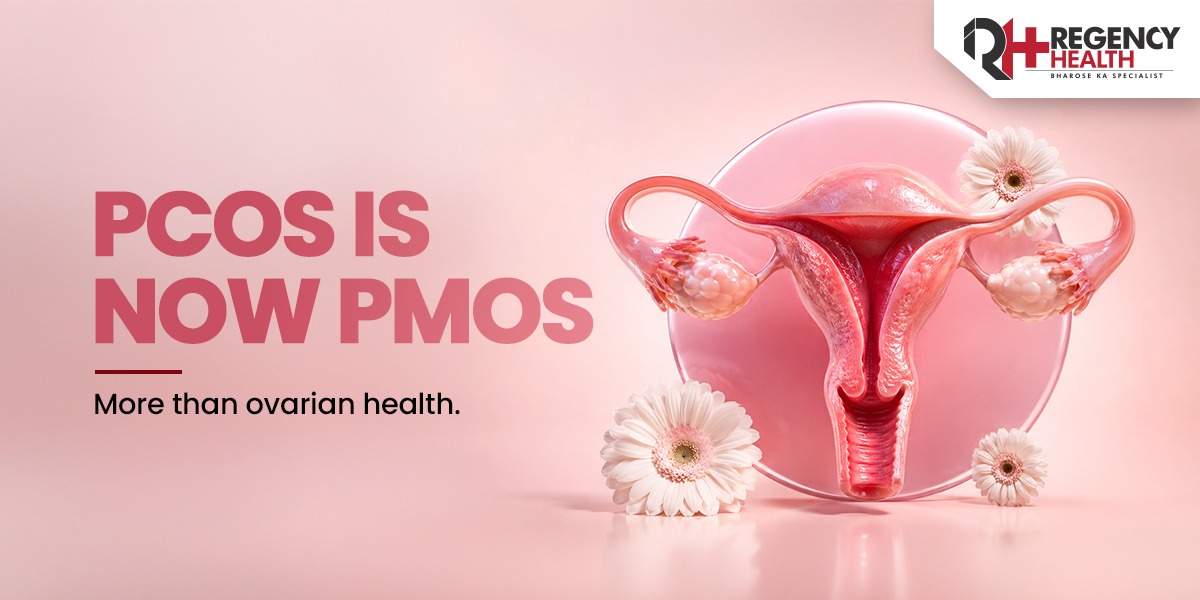
For many years, Polycystic Ovary Syndrome (PCOS) has been one of the most common hormonal disorders affecting women. However, healthcare experts and researchers are increasingly using the term PMOS to describe this condition more accurately. The term highlights that the disorder affects not only the ovaries but also metabolism, hormones, and overall body functions.
Many people are now curious about the PMOS full form and why this change in terminology is becoming more common. PMOS stands for Polyendocrine Metabolic Ovarian Syndrome, a broader term that better explains the complex hormonal and metabolic nature of the condition. Understanding PMOS can help women recognize symptoms early and seek timely medical care for better long-term health.
What Is PMOS?
PMOS is a modern term increasingly used to describe a condition previously known mainly as PCOS. The disorder affects multiple endocrine glands, metabolism, insulin regulation, reproductive hormones, and ovarian function. Unlike the older understanding that focused mostly on ovarian cysts, PMOS recognizes the condition as a whole-body metabolic and hormonal disorder.
Women with PMOS may experience irregular periods, weight gain, acne, excessive hair growth, fertility problems, and insulin resistance. The condition can also increase the risk of diabetes, obesity, heart disease, and mental health concerns if not managed properly.
PMOS Full Form
The PMOS full form is:
Polyendocrine Metabolic Ovarian Syndrome
Each word in the term explains a different aspect of the condition:
| Term | Meaning |
|---|---|
| Polyendocrine | Involves multiple hormone-producing glands |
| Metabolic | Affects metabolism and insulin function |
| Ovarian | Impacts ovarian health and ovulation |
| Syndrome | A group of related symptoms and conditions |
This updated terminology provides a more complete understanding of how the disorder affects the body.
Why PCOS Is Now Referred to as PMOS
Many healthcare professionals believe that the term PCOS does not fully explain the condition. The older name mainly focuses on ovarian cysts, but not all women with the condition develop cysts. In reality, the disorder affects several body systems, including hormones, metabolism, insulin levels, and reproductive health.
The term Polyendocrine Metabolic Ovarian Syndrome better reflects the broader health impact of the disorder.
Reasons Behind the Shift from PCOS to PMOS
1. Focus Beyond Ovaries
The condition affects multiple organs and hormones, not just the ovaries.
2. Highlights Metabolic Problems
Many women with PMOS develop insulin resistance and weight-related issues.
3. Better Medical Understanding
The newer term reflects recent research and improved understanding of the condition.
4. Encourages Holistic Treatment
PMOS management focuses on lifestyle, metabolism, hormonal balance, and reproductive health together.
Symptoms of PMOS
The symptoms of PMOS can vary from person to person. Some women experience mild symptoms, while others may face significant hormonal and metabolic complications.
Common PMOS Symptoms
| Symptoms | Description |
|---|---|
| Irregular periods | Delayed, missed, or infrequent menstrual cycles |
| Weight gain | Especially around the abdomen |
| Acne | Hormonal acne on face, chest, or back |
| Excess hair growth | Hair growth on face, chin, or body |
| Hair thinning | Scalp hair loss or thinning |
| Difficulty conceiving | Ovulation-related fertility problems |
| Fatigue | Low energy and tiredness |
| Mood changes | Anxiety, stress, or depression |
Early diagnosis can help manage symptoms more effectively and reduce long-term complications.
Causes of PMOS
The exact cause of PMOS is still not fully understood, but experts believe several factors contribute to the condition.
Common Causes and Risk Factors
1. Hormonal Imbalance
Women with PMOS often have higher levels of androgens, commonly known as male hormones.
2. Insulin Resistance
The body may struggle to use insulin properly, leading to increased blood sugar and weight gain.
3. Genetic Factors
PMOS may run in families, increasing the risk if close relatives are affected.
4. Lifestyle Factors
Poor diet, physical inactivity, stress, and obesity can worsen symptoms.
5. Chronic Inflammation
Low-grade inflammation may also contribute to hormonal imbalance and metabolic issues.
How PMOS Affects the Body
PMOS is more than a reproductive disorder. It can affect overall physical and mental health if not managed properly.
Effects of PMOS on Health
Reproductive Health
- Irregular ovulation
- Difficulty conceiving
- Menstrual irregularities
Metabolic Health
- Increased risk of diabetes
- Weight gain
- High cholesterol levels
Emotional Health
- Anxiety and stress
- Mood swings
- Low self-confidence due to physical symptoms
Long-Term Health Risks
- Heart disease
- High blood pressure
- Sleep disorders
PMOS vs PCOS
Although both terms are closely related, PMOS provides a broader medical perspective.
| Features | PCOS | PMOS |
|---|---|---|
| Main focus | Ovarian cysts | Hormonal and metabolic health |
| Scope | Reproductive disorder | Whole-body endocrine disorder |
| Includes metabolic issues | Limited emphasis | Strong emphasis |
| Modern understanding | Traditional term | Updated comprehensive term |
Many doctors still use PCOS, but PMOS is gaining attention for its more accurate medical explanation.
Diagnosis of PMOS
Doctors diagnose PMOS based on symptoms, physical examination, blood tests, and imaging studies.
Common Diagnostic Methods
- Medical History: Doctors assess menstrual cycles, symptoms, and family history.
- Blood Tests: Hormone levels, blood sugar, and insulin resistance are evaluated.
- Ultrasound: Pelvic ultrasound may help assess ovarian health.
- Weight and Metabolic Assessment: Doctors may evaluate BMI, cholesterol, and metabolic health indicators. Early diagnosis can help prevent future complications and improve quality of life.
Treatment Options for PMOS
There is no permanent cure for PMOS, but the condition can usually be managed successfully with the right combination of lifestyle changes, medical treatment, and long-term health monitoring. Since Polyendocrine Metabolic Ovarian Syndrome affects hormones, metabolism, reproductive health, and insulin function, treatment often focuses on improving overall hormonal balance and reducing symptoms. Early diagnosis and proper management can help prevent complications such as diabetes, obesity, infertility, and heart-related problems.
Common PMOS Treatment Approaches
1. Healthy Diet
A balanced and nutritious diet plays a major role in managing PMOS symptoms. Women with PMOS are often more likely to develop insulin resistance, which can lead to weight gain and hormonal imbalance. Eating healthy foods helps control blood sugar levels, improve metabolism, and support hormone regulation. Doctors usually recommend including whole grains, fruits, vegetables, lean proteins, nuts, and healthy fats in daily meals while reducing processed foods and sugary drinks.
Benefits of a Healthy Diet:
- Helps regulate insulin and hormone levels
- Supports healthy weight management
- Reduces inflammation in the body
- Improves energy levels and digestion
- May help regulate menstrual cycles
2. Regular Exercise
Regular physical activity is considered one of the most effective ways to manage PMOS naturally. Exercise helps improve insulin sensitivity, supports weight loss, and promotes better hormonal balance. Activities such as walking, yoga, cycling, swimming, and strength training can help reduce symptoms and improve overall health. Even moderate daily exercise can make a significant difference over time.
Benefits of Regular Exercise:
- Helps manage body weight
- Improves metabolism and insulin sensitivity
- Reduces stress and anxiety
- Supports cardiovascular health
- May improve ovulation and fertility
3. Weight Management
Maintaining a healthy weight is extremely important for women with PMOS. Excess body weight can worsen insulin resistance and hormonal imbalance, leading to more severe symptoms. Even a small amount of weight loss, such as 5–10% of body weight, may help improve menstrual regularity, fertility, and overall metabolic health. Healthy weight management should focus on long-term sustainable habits rather than crash diets.
Benefits of Weight Management:
- Helps improve hormonal balance
- Supports regular menstrual cycles
- Reduces risk of diabetes and heart disease
- May improve fertility outcomes
- Boosts confidence and overall well-being
4. Medications
Doctors may prescribe medications depending on the symptoms and health concerns of the patient. Some medicines help regulate menstrual cycles, while others improve insulin sensitivity or reduce excessive androgen levels. In women facing fertility challenges, medications may also be used to support ovulation. Treatment plans are usually personalized based on age, symptoms, and reproductive goals.
Common Medication Goals:
- Regulate irregular periods
- Improve insulin resistance
- Reduce acne and excess hair growth
- Support fertility and ovulation
- Manage hormonal imbalance effectively
5. Stress Management
Stress can significantly affect hormonal health and may worsen PMOS symptoms. Chronic stress increases cortisol levels, which can further disturb hormone balance and metabolism. Stress management techniques such as yoga, meditation, breathing exercises, proper sleep, and relaxation activities can help improve both physical and emotional well-being. Mental health support is equally important in long-term PMOS management.
Benefits of Stress Management:
- Helps balance hormones naturally
- Improves sleep quality
- Reduces anxiety and mood swings
- Supports emotional health
- Enhances overall quality of life
Proper medical guidance, regular follow-ups, and healthy lifestyle habits are essential for managing PMOS effectively and reducing future health complications.
Foods Recommended for PMOS
A healthy diet is one of the most important parts of managing PMOS effectively. Nutritious foods can help balance hormones, improve insulin sensitivity, support weight management, and reduce the risk of long-term health complications.
| Recommended Foods | Benefits |
|---|---|
| Whole grains | Helps control blood sugar |
| Leafy vegetables | Rich in fiber and nutrients |
| Nuts and seeds | Supports hormone health |
| Lean protein | Helps maintain energy |
| Fruits | Provides antioxidants and vitamins |
Foods That May Worsen PMOS Symptoms
Certain foods can increase insulin resistance, hormonal imbalance, inflammation, and weight gain in women with PMOS. Limiting unhealthy and highly processed foods may help improve metabolism, support hormone balance, and reduce the severity of symptoms over time.
| Foods to Avoid | Reason |
|---|---|
| Sugary drinks | Increases insulin resistance and blood sugar spikes |
| Processed foods | May worsen inflammation and hormonal imbalance |
| Fried foods | Contributes to weight gain and unhealthy cholesterol |
| Excess refined carbs | Raises blood sugar levels quickly |
Lifestyle Tips for Managing PMOS
Managing PMOS requires long-term lifestyle changes that support hormonal balance, metabolism, and overall well-being. Simple daily habits can help reduce symptoms, improve energy levels, and lower the risk of future health complications such as diabetes and obesity.
Daily Habits That May Help
- Exercise regularly
- Maintain healthy sleep patterns
- Drink enough water
- Reduce stress levels
- Follow a balanced diet
- Avoid smoking and excessive alcohol
Healthy lifestyle habits can greatly improve hormonal balance and long-term health outcomes.
Importance of Early Medical Care
Ignoring PMOS symptoms may increase the risk of serious complications in the future. Early treatment helps improve reproductive health, manage metabolic disorders, and reduce long-term health risks.
Women experiencing irregular periods, unexplained weight gain, or hormonal symptoms should seek medical evaluation promptly.
Emotional and Mental Health Impact
PMOS can also affect emotional well-being due to physical symptoms, hormonal changes, and fertility concerns. Anxiety, low confidence, and stress are common among women living with the condition.
Support from healthcare professionals, family, and lifestyle counseling can help improve emotional health and overall quality of life.
Conclusion
PMOS, or Polyendocrine Metabolic Ovarian Syndrome, is a condition that affects hormones, metabolism, reproductive health, and overall well-being. Early diagnosis, healthy lifestyle changes, regular exercise, and proper medical care can help manage symptoms effectively. If you experience hormonal or reproductive health concerns, consulting experts at Regency Hospitals, recognized by many as the best hospital in Kanpur, can help ensure timely treatment and care.
FAQs
What is the PMOS full form?
PMOS stands for Polyendocrine Metabolic Ovarian Syndrome.
Is PMOS different from PCOS?
PMOS is considered a broader and more updated term that reflects both hormonal and metabolic aspects of the condition.
What are the common symptoms of PMOS?
Irregular periods, acne, weight gain, excessive hair growth, and fertility issues are common symptoms.
Can PMOS affect fertility?
Yes, PMOS may affect ovulation and make conception difficult in some women.
Can lifestyle changes help manage PMOS?
Yes, healthy eating, exercise, stress management, and proper medical care can significantly improve symptoms.
Read More:
- Living with PCOS? Here’s What Doctors Don’t Always Tell You!
- What is PCOD? Problems, Symptoms & Treatment
- Reasons for Delayed Periods: Symptoms & Treatment
- Irregular Periods: Causes, Symptoms, Side Effects, & Treatment