
 Call-an-Ambulance
Understanding Endometriosis: Everything You Need to Know
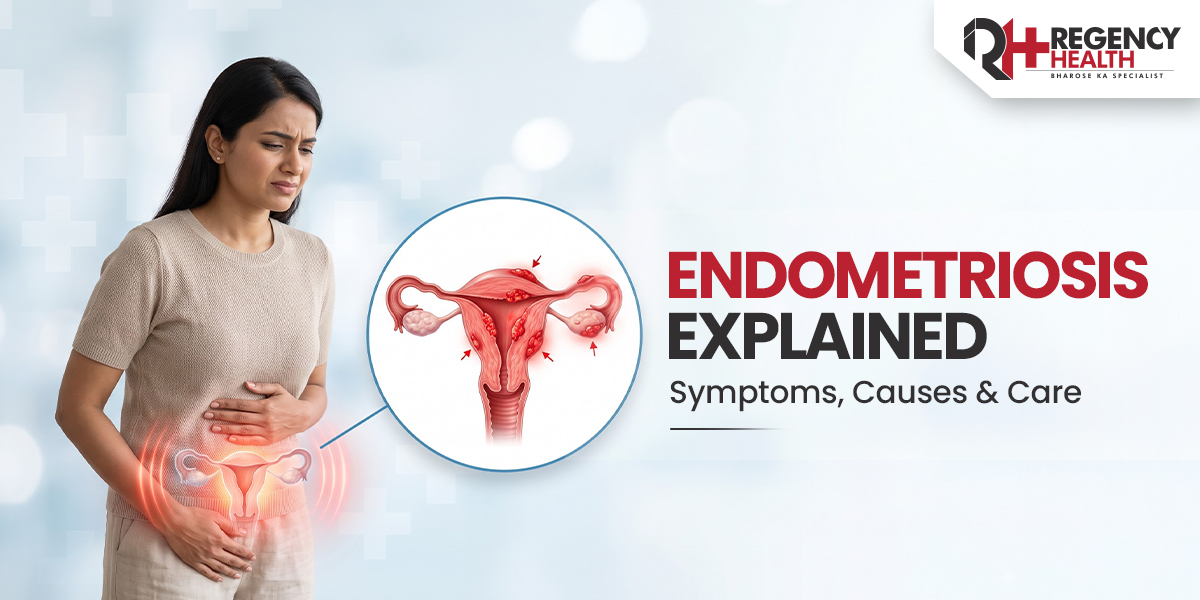
Many women experience painful periods, but when the pain becomes severe enough to interfere with daily life, it should not be ignored. One possible cause is endometriosis, a common yet often underdiagnosed condition that affects nearly 1 in 10 women of reproductive age.
Because its symptoms often resemble other gynaecological or digestive conditions, many women remain undiagnosed for several years. Early recognition and treatment can help relieve symptoms, improve quality of life, preserve fertility, and reduce the risk of complications.
This article explains what is endometriosis, its symptoms, possible causes, diagnosis, treatment options, and when you should consult a doctor.
What Is Endometriosis?
Endometriosis is a chronic condition in which tissue similar to the lining of the uterus (called the endometrium) grows outside the uterus. This tissue is commonly found on the ovaries, fallopian tubes, pelvic lining, and the outer surface of the uterus. In some cases, it may also affect nearby organs such as the bladder or bowel.
Like the uterine lining, this tissue responds to monthly hormonal changes. It thickens, breaks down, and bleeds during each menstrual cycle. However, because the blood cannot leave the body, it becomes trapped inside the pelvis. Over time, this can lead to inflammation, scar tissue (adhesions), ovarian cysts, and chronic pelvic pain.
Although endometriosis is not a cancerous condition, it can significantly affect a woman’s physical, emotional, and reproductive health if left untreated.
How Common Is Endometriosis?
Endometriosis is one of the most common gynaecological conditions affecting women during their reproductive years.
Some important facts include:
- It affects about 1 in 10 women of reproductive age.
- Symptoms often begin during the teenage years.
- The condition is most commonly diagnosed between 25 and 40 years of age.
- Diagnosis is frequently delayed because symptoms are often mistaken for normal menstrual pain or digestive disorders.
- Endometriosis is one of the leading causes of female infertility.
Increasing awareness about the condition can help women seek medical care earlier and receive appropriate treatment.
Endometriosis Causes
The exact endometriosis causes are still not fully understood. Researchers believe that several factors may contribute to the development of the condition.
Retrograde Menstruation
One of the most widely accepted theories is retrograde menstruation, in which menstrual blood flows backward through the fallopian tubes into the pelvic cavity. The endometrial-like cells may then attach to nearby organs and continue growing.
Genetic Factors
Endometriosis often runs in families. Women who have a mother, sister, or close relative with the condition may have a higher risk of developing it.
Immune System Problems
An altered immune system may not recognise and remove endometrial-like tissue growing outside the uterus, allowing it to survive and spread.
Hormonal Factors
The hormone oestrogen plays an important role in the growth of endometrial tissue. Higher oestrogen exposure may encourage the growth of endometriotic tissue.
Previous Uterine Surgery
In rare cases, endometrial cells may spread after surgeries involving the uterus, such as a Caesarean section or hysterectomy.
Although these factors may increase the risk, the exact endometriosis causes continue to be studied.
Who Is at Higher Risk?
Certain factors may increase the likelihood of developing endometriosis, including:
- Family history of endometriosis
- Early onset of menstruation
- Short menstrual cycles
- Heavy menstrual bleeding
- Never having been pregnant
- Higher oestrogen exposure
Having one or more of these risk factors does not necessarily mean you will develop endometriosis, but persistent symptoms should always be discussed with a doctor.
Endometriosis Symptoms
The severity of endometriosis symptoms varies from person to person and does not always match the severity of the disease. Some women experience severe pain despite having mild endometriosis, while others with advanced disease may have few symptoms.
Common endometriosis symptoms include:
Severe Menstrual Cramps
Painful periods that interfere with daily activities are one of the most common symptoms. The pain often begins before menstruation starts and may continue even after the period ends.
Chronic Pelvic Pain
Many women experience persistent pain in the lower abdomen or pelvis, even between menstrual cycles.
Pain During or After Intercourse
Pain during sexual intercourse or discomfort afterward is another common symptom and should not be ignored.
Pain During Bowel Movements or Urination
Some women experience pain while passing urine or stools, especially during their menstrual periods.
Heavy or Irregular Menstrual Bleeding
Periods may become unusually heavy, prolonged, or occur between regular menstrual cycles.
Difficulty Getting Pregnant
For some women, infertility is the first sign of endometriosis. The condition may affect the ovaries, fallopian tubes, or surrounding tissues, making conception more difficult.
Other Symptoms
Some women may also experience:
- Bloating
- Fatigue
- Nausea
- Constipation or diarrhoea during periods
- Lower back pain
- Pain while exercising during menstruation
Because these endometriosis symptoms can resemble other conditions such as irritable bowel syndrome (IBS) or pelvic inflammatory disease (PID), medical evaluation is important for an accurate diagnosis.
Stages of Endometriosis
Doctors generally classify endometriosis into four stages based on the location, depth, and extent of tissue growth.
- Stage I: Minimal
- Stage II: Mild
- Stage III: Moderate
- Stage IV: Severe
It is important to remember that the stage of endometriosis does not always reflect how severe the symptoms are.
How Is Endometriosis Diagnosed?
Diagnosing endometriosis can be challenging because its symptoms are similar to those of several other conditions. Your doctor will begin by discussing your medical history, menstrual cycle, symptoms, and fertility concerns.
The most commonly used investigations include:
Pelvic Ultrasound
A pelvic ultrasound is usually the first imaging test recommended. It can detect ovarian endometriomas (endometriosis-related cysts) and help rule out other pelvic conditions.
Magnetic Resonance Imaging (MRI)
MRI may be advised in complex cases to assess the extent of deep endometriosis and assist in planning surgery when needed.
Laparoscopy
Laparoscopy is considered the gold standard for diagnosing endometriosis. During this minimally invasive procedure, a small camera is inserted through a tiny incision in the abdomen to directly examine the pelvic organs. Tissue samples may also be taken to confirm the diagnosis.
Early diagnosis allows treatment to begin sooner, helping reduce pain, preserve fertility, and prevent disease progression.
Endometriosis Treatment
The right endometriosis treatment depends on several factors, including your age, symptoms, the severity of the condition, and whether you plan to become pregnant in the future. Although there is currently no permanent cure for endometriosis, timely diagnosis and appropriate treatment can help relieve symptoms, slow disease progression, and improve quality of life.
1. Pain Relief Medications
For women with mild to moderate symptoms, doctors may recommend pain-relieving medicines such as non-steroidal anti-inflammatory drugs (NSAIDs) to reduce menstrual cramps and pelvic pain. These medicines help manage discomfort but do not treat the underlying condition.
Always take pain medications only as prescribed by your doctor.
2. Hormonal Therapy
Hormonal medicines help reduce the growth of endometriosis tissue by controlling hormonal changes during the menstrual cycle. Depending on your symptoms and reproductive plans, your doctor may recommend:
- Birth control pills
- Progestin therapy
- Hormonal intrauterine devices (IUDs)
- Gonadotropin-releasing hormone (GnRH) medicines
Hormonal therapy is effective for many women in reducing pain and slowing disease progression. However, it is generally not recommended for women who are actively trying to conceive.
3. Laparoscopic Surgery
If medications do not provide sufficient relief or fertility is affected, your doctor may recommend laparoscopic surgery. This minimally invasive procedure allows the surgeon to remove or destroy endometriosis tissue while preserving healthy reproductive organs whenever possible.
Many women experience significant pain relief after surgery. However, symptoms may return over time in some cases, making regular follow-up important.
4. Fertility Treatment
Endometriosis can make it more difficult for some women to become pregnant. Depending on your age, fertility goals, and the severity of the condition, your doctor may recommend fertility treatments such as:
- Ovulation induction
- Intrauterine insemination (IUI)
- In vitro fertilisation (IVF)
Early diagnosis and timely treatment can improve the chances of a successful pregnancy for many women.
Note: Although there is no permanent cure for endometriosis, most women can successfully manage their symptoms and maintain a good quality of life with the right treatment plan.
Can Endometriosis Affect Fertility?
Yes. Endometriosis is one of the leading causes of infertility in women. The condition can reduce fertility by:
- Blocking or damaging the fallopian tubes
- Causing inflammation in the pelvis
- Forming scar tissue (adhesions)
- Affecting egg quality
- Causing ovarian cysts (endometriomas)
However, having endometriosis does not necessarily mean you cannot become pregnant. Many women conceive naturally, while others achieve successful pregnancies with fertility treatments such as IUI or IVF. Seeking medical advice early can help improve reproductive outcomes.
Lifestyle Measures to Help Manage Endometriosis
While medical treatment remains the cornerstone of care, healthy lifestyle habits may help reduce discomfort and improve overall well-being.
Stay Physically Active
Regular physical activity can improve blood circulation, reduce inflammation, and release endorphins—natural chemicals that help relieve pain. Walking, swimming, yoga, and stretching are excellent options.
Eat a Balanced Diet
A nutritious diet rich in fruits, vegetables, whole grains, legumes, nuts, seeds, and lean protein supports overall health. Limiting processed foods, sugary beverages, and foods high in saturated fat may also help manage inflammation.
Manage Stress
Living with chronic pelvic pain can be physically and emotionally challenging. Stress-management techniques such as meditation, yoga, deep breathing exercises, and getting enough sleep may improve emotional well-being.
Use Heat Therapy
Applying a heating pad or taking a warm bath may help relax pelvic muscles and provide temporary relief from menstrual cramps and pelvic pain.
Attend Regular Follow-up Appointments
Regular check-ups allow your doctor to monitor symptoms, adjust treatment when necessary, and detect complications early.
Possible Complications of Endometriosis
Without timely diagnosis and treatment, endometriosis may lead to several complications, including:
- Chronic pelvic pain
- Difficulty becoming pregnant or infertility
- Ovarian cysts (endometriomas)
- Scar tissue (pelvic adhesions)
- Reduced quality of life
- Anxiety and depression related to chronic pain
Early medical care can help reduce the risk of these complications and improve long-term health outcomes.
When Should You See a Doctor?
Consult a healthcare professional if you experience:
- Severe menstrual pain that interferes with daily activities
- Pelvic pain that continues even after your period
- Heavy or irregular menstrual bleeding
- Pain during or after sexual intercourse
- Pain while passing urine or stools during menstruation
- Difficulty becoming pregnant after trying for several months
Do not ignore persistent pelvic pain or unusually painful periods. Early evaluation helps identify the cause and allows treatment to begin before complications develop.
Conclusion
Endometriosis is a common but often overlooked condition that can affect a woman’s physical health, emotional well-being, and fertility. Although painful periods are common, severe pain that disrupts your daily life should never be considered normal.
Recognising endometriosis symptoms early, seeking timely medical advice, and following the recommended endometriosis treatment plan can help relieve symptoms, preserve fertility, and improve your quality of life. Regular follow-up and healthy lifestyle habits also play an important role in managing the condition over the long term.
If you are experiencing persistent pelvic pain, painful periods, or fertility concerns, consult the experienced gynaecology specialists at Regency Hospitals. With advanced diagnostic facilities and personalised treatment plans, Regency Hospitals is recognised as one of the best obstetrics hospital in Kanpur, offering comprehensive care for women at every stage of life.
Frequently Asked Questions (FAQs)
What is the first sign of endometriosis?
The most common early sign is severe menstrual pain that is much more intense than normal period cramps. Some women may also experience chronic pelvic pain or heavy menstrual bleeding.
Can endometriosis be cured permanently?
There is currently no permanent cure for endometriosis. However, medications, hormonal therapy, surgery, and lifestyle changes can effectively manage symptoms and improve quality of life.
Is endometriosis a serious condition?
Although endometriosis is not cancer, it can cause chronic pain, fertility problems, and significant disruption to daily life if left untreated.
Can I get pregnant if I have endometriosis?
Yes. Many women with endometriosis conceive naturally, while others may require fertility treatment depending on the severity of the condition.
At what age does endometriosis usually occur?
Endometriosis commonly affects women between 25 and 40 years of age, but symptoms may begin during the teenage years soon after menstruation starts.
Read More:
- Living with PCOS? Here’s What Doctors Don’t Always Tell You!
- What is PCOD? Problems, Symptoms & Treatment
- PMOS Explained: Meaning, Symptoms & Health Impact
- Irregular Periods: Causes, Symptoms, Side Effects, & Treatment