

 Call-an-Ambulance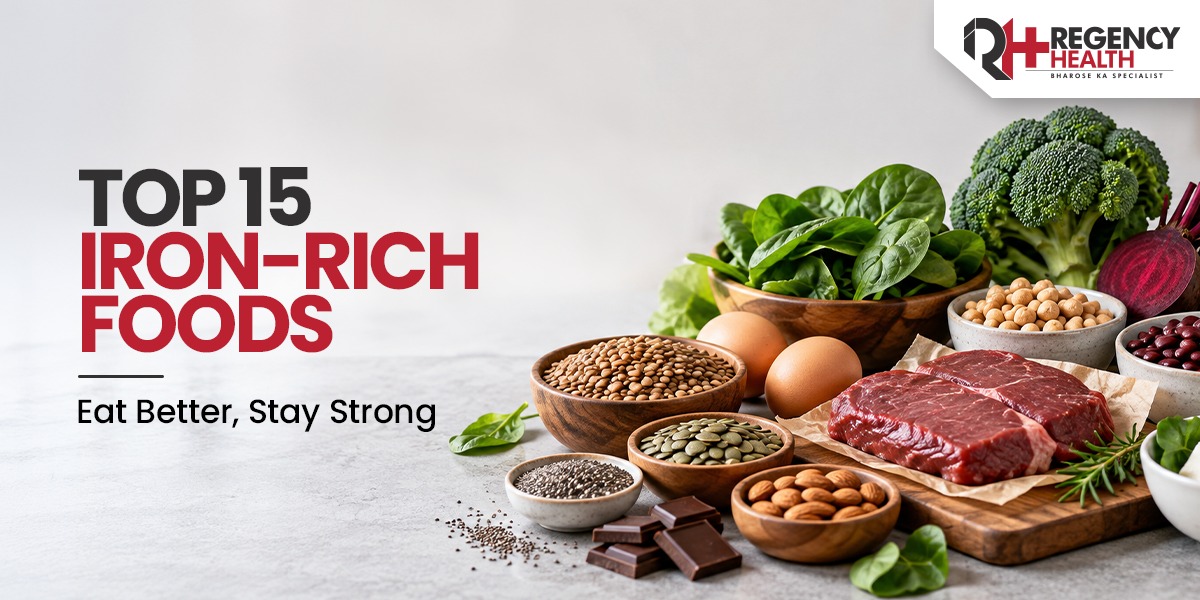
Iron is one of the most important minerals your body needs to stay healthy. It helps produce hemoglobin, a protein in red blood cells that carries oxygen from your lungs to the rest of your body. When your body doesn’t get enough iron, it may lead to iron deficiency and eventually anemia, causing fatigue, weakness, and reduced physical performance.
The good news is that eating a balanced diet rich in iron can help maintain healthy iron levels and support overall well-being. Whether you’re looking for iron rich foods, a complete iron rich foods list, or the best iron rich foods for anemia, this guide covers everything you need to know.
What Is Iron and Why Is It Important?
Iron is an essential mineral involved in many important body functions. It plays a key role in:
- Producing healthy red blood cells
- Carrying oxygen throughout the body
- Supporting energy production
- Maintaining a healthy immune system
- Supporting brain development and cognitive function
Without enough iron, your body cannot produce sufficient hemoglobin, increasing the risk of iron deficiency anemia.
Types of Iron Found in Foods
There are two main types of dietary iron.
| Type of Iron | Food Sources | Absorption |
|---|---|---|
| Heme Iron | Meat, poultry, fish | Easily absorbed by the body |
| Non-Heme Iron | Vegetables, legumes, nuts, seeds, grains | Better absorbed when eaten with vitamin C |
Vegetarians can still meet their iron needs by consuming a variety of plant-based foods along with vitamin C-rich fruits and vegetables.
Signs and Symptoms of Iron Deficiency
Low iron levels may cause several symptoms, including:
- Constant fatigue
- Weakness
- Pale skin
- Frequent headaches
- Shortness of breath
- Dizziness
- Hair fall
- Brittle nails
- Difficulty concentrating
- Cold hands and feet
If you experience these symptoms regularly, consult your doctor for proper evaluation.
Top 15 Iron-Rich Foods
Including these iron rich foods in your daily diet can help support healthy iron levels.
1. Spinach
Spinach is one of the best plant-based iron rich foods. It contains non-heme iron along with folate, vitamin A, vitamin C, and antioxidants that support overall health. While the iron found in spinach is not absorbed as easily as iron from animal sources, pairing it with vitamin C-rich foods like lemon or oranges can significantly improve absorption.
Regular consumption of spinach may help support healthy hemoglobin levels, reduce the risk of iron deficiency, and contribute to better energy levels. It is also rich in fiber, making it beneficial for digestive health.
Best ways to eat:
- Spinach curry
- Spinach soup
- Green smoothies
- Stuffed spinach parathas
- Mixed in dals or salads
2. Lentils
Lentils are among the healthiest vegetarian iron rich foods and an excellent source of plant-based protein, fiber, folate, and essential minerals. They are especially beneficial for vegetarians and vegans who rely on plant sources to meet their daily iron requirements.
Including lentils regularly in your diet may support healthy red blood cell production and help reduce the risk of iron deficiency anemia. Their high fiber content also promotes better digestion and helps keep you full for longer.
Best ways to eat:
- Dal curry
- Lentil soup
- Sprouted lentil salad
- Lentil khichdi
- Stuffed wraps
3. Chickpeas
Chickpeas are packed with iron, protein, fiber, and several important vitamins and minerals. They are one of the most nutritious legumes and make an excellent addition to a balanced diet.
Besides supporting healthy iron intake, chickpeas help improve digestion, support heart health, and provide long-lasting energy. Eating chickpeas with vitamin C-rich vegetables can further enhance iron absorption.
Best ways to eat:
- Chana masala
- Roasted chickpeas
- Chickpea salad
- Hummus
- Chickpea wraps
4. Kidney Beans (Rajma)
Kidney beans are rich in iron, protein, dietary fiber, potassium, and antioxidants. They are considered one of the most beneficial iron rich foods for anemia, especially for people following vegetarian diets.
Regular consumption of rajma may help maintain healthy hemoglobin levels while also supporting digestive and heart health. Their high fiber content helps regulate blood sugar and promotes satiety.
Best ways to eat:
- Rajma curry
- Rajma rice
- Kidney bean salad
- Bean soup
- Burrito filling
5. Soybeans
Soybeans are among the richest vegetarian sources of iron and high-quality protein. They also provide calcium, magnesium, and healthy fats, making them a nutrient-dense food. They are particularly beneficial for vegetarians looking to increase both protein and iron intake. Soy products can be included in meals in various forms and fit easily into a healthy diet.
Best ways to eat:
- Soy chunks curry
- Soy granules
- Tofu stir-fry
- Soy milk
- Soybean salad
6. Pumpkin Seeds
Pumpkin seeds may be small, but they are loaded with nutrients. Along with iron, they provide magnesium, zinc, healthy fats, and antioxidants that support overall health. These crunchy seeds make an excellent healthy snack and can help improve daily iron intake when consumed regularly as part of a balanced diet.
Best ways to eat:
- Roasted pumpkin seeds
- Sprinkle over salads
- Add to smoothies
- Mix into yogurt
- Homemade trail mix
7. Sesame Seeds
Sesame seeds are a nutritious source of iron, calcium, healthy fats, and plant-based protein. They are commonly used in Indian cuisine and can easily be incorporated into everyday meals. Including sesame seeds in your diet may help improve overall mineral intake while supporting bone health and healthy blood formation.
Best ways to eat:
- Sesame laddoos
- Sprinkle on salads
- Add to chutneys
- Mix into roti dough
- Sesame seed dressing
8. Dates
Dates naturally contain iron along with dietary fiber, potassium, and antioxidants. They provide quick energy and make a healthy snack for people experiencing tiredness or fatigue. Although dates alone cannot treat iron deficiency, they can contribute to overall iron intake when combined with other iron-rich foods.
Best ways to eat:
- As a mid-day snack
- Stuffed with nuts
- Added to smoothies
- Mixed into oatmeal
- Energy balls
9. Raisins
Raisins contain small amounts of iron and are rich in antioxidants, fiber, and natural sugars. They are an easy way to add nutrients to your diet and can be included in breakfast or snacks. Regular consumption may help improve overall nutritional intake while providing natural sweetness without refined sugar.
Best ways to eat:
- Eat as a snack
- Add to oats
- Mix with nuts
- Sprinkle over cereals
- Blend into smoothies
10. Ragi (Finger Millet)
Among the top 10 iron rich foods, ragi is one of the most nutritious whole grains. Besides iron, it is an excellent source of calcium, dietary fiber, and amino acids. It is especially beneficial for children, women, and older adults who require additional nutrients for bone and blood health.
Best ways to eat:
- Ragi porridge
- Ragi dosa
- Ragi roti
- Ragi pancakes
- Ragi cookies
11. Beetroot
Although beetroot is not extremely high in iron, it contains folate, antioxidants, and nitrates that support healthy blood formation and circulation. It is often included in healthy diets because it complements other iron-rich foods and provides several important nutrients.
Best ways to eat:
- Fresh juice
- Beetroot salad
- Roasted beetroot
- Vegetable curry
- Smoothies
12. Jaggery
Jaggery contains small amounts of iron along with other trace minerals. It has traditionally been consumed after meals and is often considered a healthier alternative to refined sugar. While jaggery alone cannot correct iron deficiency, it can be included in moderation as part of a balanced diet.
Best ways to eat:
- After meals
- Sesame-jaggery laddoos
- Mixed with roasted peanuts
- Traditional sweets
- Herbal drinks
13. Oats
Oats are a wholesome breakfast choice that provides iron, fiber, and complex carbohydrates. They help support digestive health and provide sustained energy throughout the day. Fortified oats may contain even higher amounts of iron, making them a valuable addition to an iron-rich diet.
Best ways to eat:
- Oatmeal
- Overnight oats
- Smoothies
- Oat porridge
- Homemade granola
14. Almonds
Almonds contain iron, vitamin E, magnesium, and healthy fats. Although they are not the richest source of iron, they contribute valuable nutrients that support overall health. A handful of almonds each day can be part of a balanced diet that promotes heart health, brain function, and healthy energy levels.
Best ways to eat:
- Eat raw
- Soaked overnight
- Add to cereals
- Almond butter
- Smoothies
15. Pomegranate
Pomegranate is widely associated with healthy blood because it contains vitamin C, folate, antioxidants, and polyphenols. While it is not considered a high-iron food, it supports overall nutrition and may help improve iron absorption when consumed alongside other iron-rich foods.
Its refreshing taste makes it easy to include in a healthy diet.
Best ways to eat:
- Fresh fruit
- Fresh juice
- Fruit salads
- Yogurt bowls
- Smoothies
Iron Rich Foods List
| Food | Key Nutrients |
|---|---|
| Spinach | Iron, Folate |
| Lentils | Iron, Protein |
| Chickpeas | Iron, Fiber |
| Kidney Beans | Iron, Protein |
| Soybeans | Iron, Protein |
| Pumpkin Seeds | Iron, Magnesium |
| Sesame Seeds | Iron, Calcium |
| Dates | Iron, Fiber |
| Raisins | Iron, Antioxidants |
| Ragi | Iron, Calcium |
| Beetroot | Folate |
| Jaggery | Iron |
| Oats | Iron, Fiber |
| Almonds | Iron, Vitamin E |
| Pomegranate | Folate, Vitamin C |
Best Iron Rich Foods for Anemia
People diagnosed with iron deficiency anemia should include more iron-rich foods in consultation with their healthcare provider.
Some of the best iron rich foods for anemia include:
- Spinach
- Lentils
- Kidney beans
- Chickpeas
- Soybeans
- Pumpkin seeds
- Sesame seeds
- Ragi
- Dates
- Raisins
In moderate to severe anemia, diet alone may not be enough. Your doctor may recommend iron supplements or other treatments based on your condition.
How to Improve Iron Absorption
Eating iron-rich foods is important, but improving iron absorption is equally essential. Here are some practical tips:
| Do | Avoid |
|---|---|
| Eat vitamin C-rich foods like oranges, lemon, amla, guava, or tomatoes with iron-rich meals | Drinking tea or coffee immediately after meals |
| Include a variety of iron-rich foods | Self-medicating with iron supplements |
| Maintain a balanced diet | Skipping meals regularly |
Vitamin C significantly improves the absorption of non-heme iron found in plant-based foods.
Who Needs More Iron?
Some groups have a higher risk of iron deficiency and may require increased iron intake.
These include:
- Pregnant women
- Breastfeeding mothers
- Women with heavy menstrual bleeding
- Growing children
- Teenagers
- Vegetarians and vegans
- People with chronic blood loss
- Individuals recovering from surgery
Can Too Much Iron Be Harmful?
Yes. While iron is essential, excessive intake through supplements can be harmful.
Possible side effects include:
- Constipation
- Nausea
- Vomiting
- Stomach pain
- Iron overload in certain medical conditions
Always take iron supplements only under medical supervision.
Healthy Lifestyle Tips to Maintain Iron Levels
Besides eating iron rich foods, these healthy habits can help maintain adequate iron levels:
- Eat a balanced diet with fruits, vegetables, whole grains, and protein.
- Pair iron-rich foods with vitamin C-rich foods.
- Stay physically active.
- Drink enough water.
- Get regular health check-ups, especially if you have symptoms of anemia.
Conclusion
Including iron rich foods in your daily diet is one of the most effective ways to support healthy hemoglobin levels and reduce the risk of iron deficiency. Foods such as spinach, lentils, kidney beans, chickpeas, sesame seeds, pumpkin seeds, ragi, and soybeans provide iron along with several other essential nutrients that contribute to overall health. However, maintaining healthy iron levels also depends on a balanced diet, adequate vitamin C intake, and addressing any underlying medical conditions that may affect iron absorption.
If you frequently experience symptoms such as fatigue, weakness, dizziness, shortness of breath, or have been diagnosed with anemia, it is important to seek medical evaluation rather than relying only on dietary changes. For expert diagnosis, personalized nutritional guidance, and comprehensive treatment, you can consult the experienced specialists at Regency Hospitals, recognized as one of the best hospital in Kanpur, where advanced diagnostic facilities and multidisciplinary care are available to help manage anemia and other nutritional deficiencies.
Frequently Asked Questions (FAQs)
Which foods are highest in iron?
Spinach, lentils, kidney beans, chickpeas, soybeans, pumpkin seeds, sesame seeds, and ragi are among the best iron-rich foods.
What are the best iron rich foods for anemia?
For people with iron deficiency anemia, foods like spinach, lentils, kidney beans, chickpeas, soybeans, sesame seeds, pumpkin seeds, dates, and raisins are beneficial as part of a balanced diet. However, severe anemia may require medical treatment.
Which fruits help increase iron levels?
Dates, raisins, and pomegranate can be included in a healthy diet. Eating vitamin C-rich fruits like oranges, guava, amla, and kiwi also helps improve iron absorption.
How can I improve iron absorption naturally?
Consume iron-rich foods with vitamin C-rich foods, avoid tea or coffee immediately after meals, and eat a balanced diet to improve iron absorption.
Can diet alone treat iron deficiency anemia?
Mild iron deficiency may improve with dietary changes, but moderate or severe anemia often requires medical evaluation and iron supplements prescribed by a doctor.
Read More:
- Poor Diet? Choose the path to Healthy Eating – Regency Healthcare
- Diabetic Diet Plan: Foods, Meals, and Habits
- The Ideal Diet for Managing and Preventing Diabetes
- Top 10 Health Tips to Transform Your Life! – Regency Healthcare