
 Call-an-Ambulance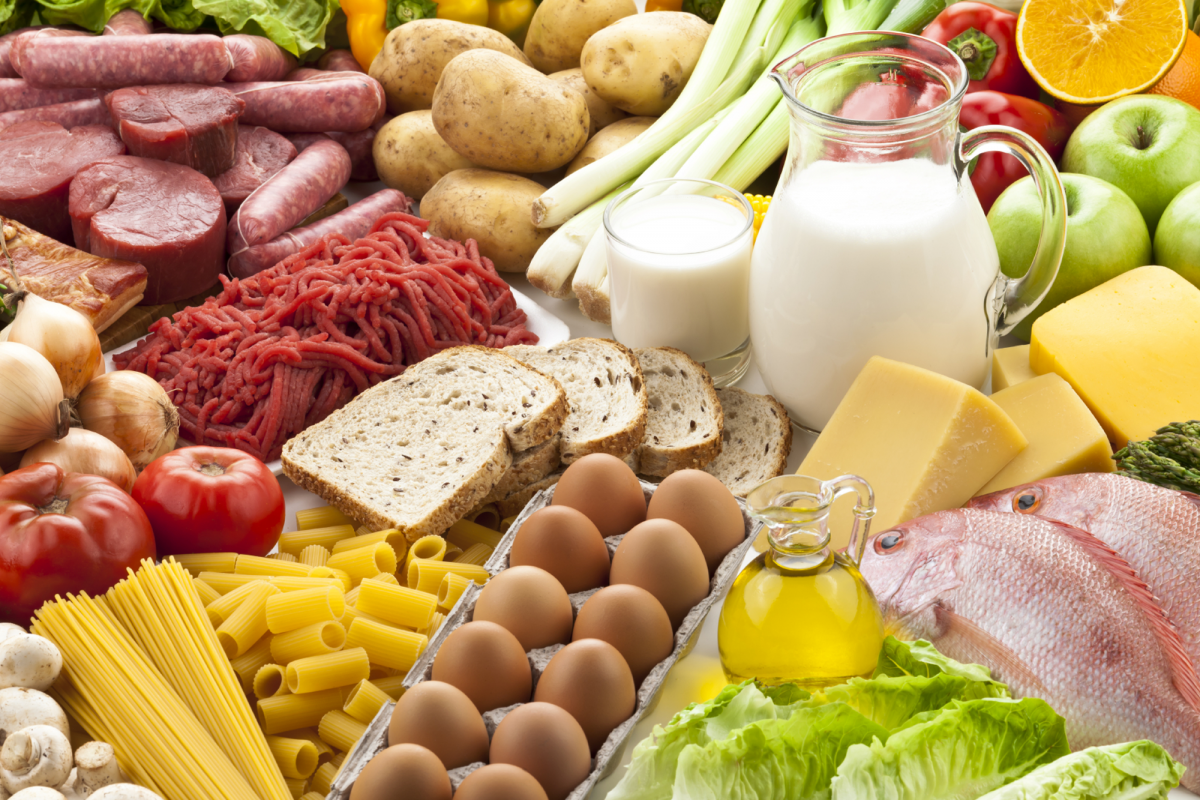
What we eat regularly can influence how we feel, how well the body functions and our long-term health. When meals are consistently low in essential nutrients or heavily based on foods high in salt, added sugars and unhealthy fats, the effects may gradually show up in areas such as digestion, energy and overall wellbeing.
The good news is that improving your eating pattern does not require an extreme diet. Small, consistent changes can make everyday meals more balanced and sustainable.
What Is a Poor Diet?
A poor diet is generally one that does not provide enough variety or balance to meet the body’s nutritional needs. It may include frequent consumption of highly processed foods while providing too few fruits, vegetables, whole grains, pulses and other nutrient-rich foods. WHO identifies adequacy, balance, moderation and diversity as core principles of a healthy diet.
A person’s nutritional needs can differ based on age, activity level, health conditions, cultural food habits and other factors. So, healthy eating is not about following one fixed menu; it is about creating a pattern of eating that provides adequate nutrition while limiting foods that offer little nutritional value.
How Can a Poor Diet Affect Your Health?
The effects of an unhealthy eating pattern may appear in different parts of the body. Some may be noticeable in everyday life, while others develop over a longer period.
1. Slow Digestion and Digestive Discomfort
What you eat can influence bowel habits and digestive comfort. Diets low in dietary fibre may contribute to constipation, while certain foods can aggravate indigestion or other digestive symptoms in some people. Fibre-rich foods such as vegetables, fruits, pulses and whole grains can support digestive health, although people with specific digestive conditions may need individual dietary advice.
Probiotics can also play a role in supporting digestive health. Include probiotic-rich foods such as curd, which contains live, beneficial bacteria that may help support digestion and gut health. These beneficial bacteria can help maintain a healthy balance of microbes in the gut and may help soothe some digestive discomfort.
2. Affect Stress Levels and Emotional Wellbeing
Food does not cause every episode of stress, but stress and eating habits can influence each other. Some people may skip meals when stressed, while others may turn to sugary or highly processed foods for convenience or comfort. Over time, these habits can make it harder to maintain a consistent, balanced eating pattern.
3. Disrupt the Menstrual Cycle
Nutrition can play a role in menstrual health, particularly when a person’s diet does not provide enough energy or essential nutrients. Very low calorie intake, low body weight and significant energy deficiency can disrupt the hormonal signals involved in the menstrual cycle and contribute to missed periods.
How to Move From a Poor Diet to Healthy Eating
You do not need to overhaul your diet overnight. A more sustainable approach is to improve one part of your routine at a time.
1. Build Meals Around Whole Foods
Make vegetables, fruits, pulses, whole grains and other minimally processed foods a regular part of your meals. These foods can help provide fibre and a range of vitamins and minerals.
2. Add Protein to Your Meals
Include suitable protein sources such as dal, beans, eggs, dairy products, fish, lean meats, nuts or seeds according to your dietary preferences. Protein is one of the body’s essential macronutrients and contributes to maintaining tissues and other body functions.
3. Increase Fibre Gradually
Choose foods such as fruits, vegetables, beans, lentils, oats and whole grains. If your current intake is low, increase fibre gradually and drink enough fluids, as a sudden large increase may cause bloating or gas in some people.
4. Cut Back on Highly Processed Choices
You do not need to eliminate packaged foods completely. Instead, make foods high in free sugars, excess sodium and unhealthy fats less frequent choices. Replacing some fried or packaged snacks with fruit, nuts, yoghurt or other nutrient-rich options can make the overall diet more balanced.
5. Make Your Eating Pattern Sustainable
Healthy eating works best when it fits your routine, budget, culture and preferences. Rather than following restrictive rules, focus on consistent habits you can maintain over time.
| Instead of | Try |
|---|---|
| Skipping breakfast and overeating later | Starting the day with a balanced meal when it suits your routine |
| Sugary drinks throughout the day | Water or other lower-sugar alternatives |
| Refined snacks every day | Fruit, nuts, roasted pulses or yoghurt |
| Fried foods at most meals | Grilled, baked, steamed or lightly cooked options more often |
| Very restrictive diets | A varied eating pattern that includes different food groups |
Conclusion
A healthy diet is not about strict restrictions or making every meal perfect. It is about creating a balanced eating pattern that provides the nutrients your body needs while being practical enough to maintain over time. Choosing more whole foods, getting enough fibre and protein, and limiting highly processed foods can be simple steps towards better everyday nutrition.
However, ongoing digestive discomfort, irregular periods, unexplained weight changes or persistent low energy should not always be attributed to diet. These concerns may have other underlying causes and may require professional evaluation. For those looking for the best hospital in Kanpur, Regency Hospitals provides access to qualified healthcare professionals who can assess individual concerns and offer appropriate medical guidance and care.
Frequently Asked Questions
How to heal poor digestion?
A diet for poor digestion can include fibre-rich foods, adequate fluids and smaller, balanced meals. Persistent bloating, pain or changes in bowel habits should be evaluated by a healthcare professional.
Can a poor diet affect your period?
Yes, inadequate nutrition or insufficient energy intake can affect the hormones involved in the menstrual cycle and may lead to irregular or missed periods. Persistent changes should be discussed with a healthcare professional.
What is considered a poor diet?
A poor diet generally lacks variety and balance and may rely heavily on highly processed foods while providing too few fruits, vegetables, whole grains and other nutrient-rich foods.
What are the signs of a poor diet?
Signs may include low energy, digestive discomfort, difficulty maintaining a healthy weight or frequent reliance on processed and sugary foods. These can also have other causes and are not proof of poor nutrition.
What are the side effects of a poor diet?
Over time, an unhealthy eating pattern may contribute to digestive problems, nutrient deficiencies and a higher risk of conditions such as obesity, diabetes and heart disease.
Read More:
- Top 20 High Protein Foods for Daily Diet
- Diabetic Diet Plan: Foods, Meals, and Habits
- 20 Foods to Increase Hemoglobin Naturally
- Eat These Foods For Boosting Your Immune System