
 Call-an-Ambulance
What Is Dementia? Definition, Causes, Types and Symptoms You Should Know
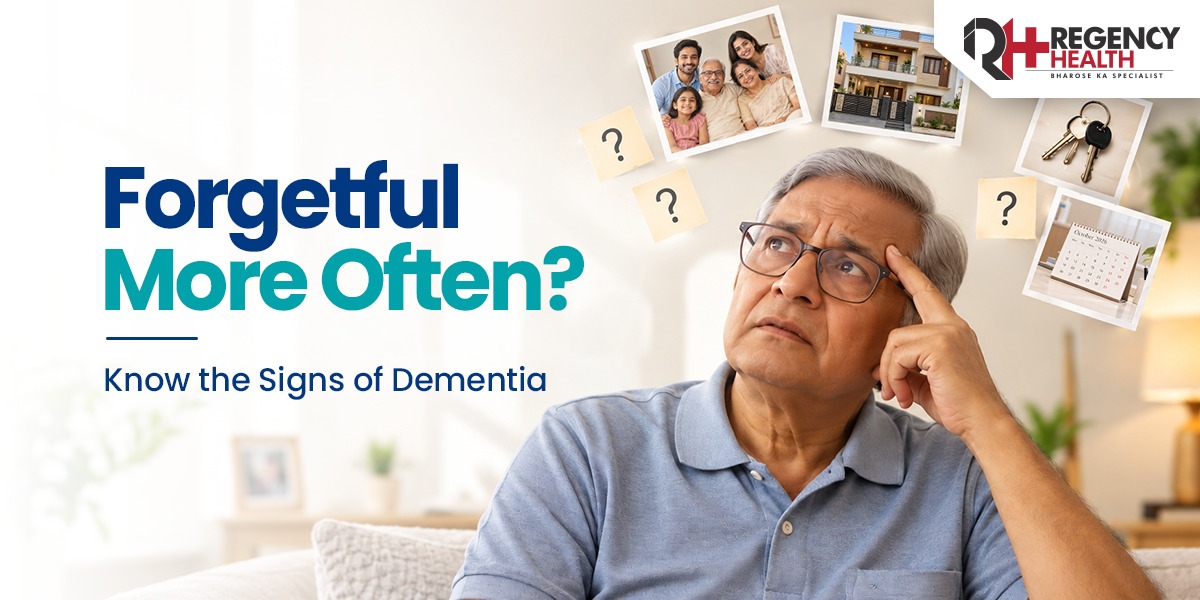
Memory lapses can happen to anyone, especially with age, stress or lack of sleep. However, persistent changes in memory, thinking, behaviour or the ability to manage everyday activities may need medical attention. Dementia is not a single disease. It is an umbrella term for several conditions that affect brain function and gradually interfere with daily life.
Dementia becomes more common with age, but it is not a normal part of ageing. It can develop because of different diseases or injuries that damage brain cells. Alzheimer’s disease is the most common form, but other types include vascular dementia, Lewy body dementia and frontotemporal dementia. Some people can also have more than one type at the same time.
Understanding the condition, recognising changes early and getting an appropriate medical evaluation can help patients and families plan treatment and support.
What Is Dementia?
In simple terms, dementia refers to a decline in memory, thinking, reasoning or other cognitive abilities that is significant enough to interfere with everyday activities. It can also affect communication, mood, personality and behaviour.
So, what is dementia exactly? It is better understood as a group of symptoms caused by different diseases or changes affecting the brain rather than as one particular illness.
A person with dementia may gradually have difficulty remembering recent information, managing finances, finding the right words, following familiar routines or making decisions. The pattern depends on the underlying cause and the areas of the brain affected.
Is Dementia a Normal Part of Ageing?
No. Occasional forgetfulness can happen as people grow older. For example, someone may temporarily forget a name but remember it later. Dementia involves more significant and persistent changes that interfere with daily functioning.
Memory loss is also not the only feature. Changes in language, attention, reasoning, visual perception, behaviour and personality can occur depending on the type of dementia.
Dementia Disease: What Causes It?
A dementia disease develops when diseases or injuries damage nerve cells in the brain. As these cells and their connections become affected, different cognitive and behavioural abilities may gradually decline. The exact cause depends on the type. Some forms are associated with abnormal protein deposits, while others are linked to reduced blood flow or damage to specific areas of the brain.
Some conditions and factors associated with increased dementia risk include:
- Increasing age
- High blood pressure
- Diabetes or high blood sugar
- Stroke and other blood-vessel problems
- Hearing or vision loss
- Physical inactivity
- Smoking
- Harmful alcohol use
- Poor sleep
- Social isolation
- Traumatic brain injury
- Certain genetic factors
- Some environmental exposures
Having one or more risk factors does not mean a person will definitely develop dementia. Risk is influenced by several factors throughout life.
What Are the Different Types of Dementia?
There are several forms of dementia. The symptoms can overlap, and some people may have mixed dementia, meaning that more than one type contributes to their cognitive decline.
| Type of dementia | What it commonly affects | Common features |
|---|---|---|
| Alzheimer’s disease | Memory and thinking | Increasing memory problems, difficulty with familiar tasks and later problems with communication |
| Vascular dementia | Blood flow and brain tissue | Problems with thinking, planning or memory, sometimes following a stroke |
| Lewy body dementia | Thinking, movement and attention | Fluctuating alertness, visual hallucinations, movement problems and sleep disturbances |
| Frontotemporal dementia | Frontal and temporal brain regions | Changes in personality, behaviour, language or decision-making |
| Mixed dementia | More than one brain disease | Features of two or more forms may occur together |
These types have different underlying changes, so diagnosis is important before deciding on treatment or long-term care.
1. Alzheimer’s Disease
Alzheimer’s disease is the most common cause of dementia. It usually begins with problems involving recent memory and gradually affects other thinking and daily activities. Changes in the brain include abnormal deposits of proteins such as amyloid plaques and tau tangles, along with loss of connections between nerve cells.
2. Vascular Dementia
Vascular dementia occurs when problems with blood vessels reduce blood flow to areas of the brain. It can occur after a stroke or because of damage caused by small-vessel disease. Symptoms may include difficulty with planning, reasoning, attention, memory or problem-solving. The pattern can vary depending on which parts of the brain have been affected.
3. Lewy Body Dementia
Lewy body dementia is associated with abnormal deposits of a protein called alpha-synuclein in the brain. People may experience changes in attention and alertness, visual hallucinations, movement problems, sleep disturbances and difficulties with thinking. Symptoms can fluctuate, which can make diagnosis challenging.
4. Frontotemporal Dementia
Frontotemporal dementia affects areas of the brain involved in behaviour, personality, decision-making and language. Unlike Alzheimer’s disease, memory may not be the first or most prominent problem. A person may instead show noticeable changes in behaviour, social conduct, emotional responses or speech. Frontotemporal disorders are also more likely than many other dementias to begin at a younger age.
What Are the Signs and Symptoms of Dementia?
The signs and symptoms of dementia are not identical for everyone. They depend on the underlying condition, the part of the brain affected and the stage of the disease.
Some common changes include:
- Forgetting recent conversations or events
- Repeating questions or statements
- Frequently losing or misplacing things
- Difficulty finding familiar words
- Getting confused in familiar places
- Trouble managing money or paying bills
- Difficulty following familiar instructions
- Problems with planning and decision-making
- Difficulty completing familiar everyday tasks
- Changes in mood or personality
- Withdrawal from social activities
- Problems judging distances or navigating surroundings
- Difficulty recognising familiar people in later stages
The important point is that occasional forgetfulness does not automatically mean dementia. Concern becomes greater when changes are persistent, progressive and interfere with everyday independence.
Early Signs of Dementia to Watch For
Early symptoms can be subtle and may initially be mistaken for normal ageing.
A person may:
- Forget recently learned information repeatedly
- Ask the same question several times
- Struggle to complete a familiar recipe or routine
- Have increasing difficulty managing finances
- Get lost while travelling to a familiar location
- Find it harder to follow conversations
- Show unexpected changes in behaviour or personality
- Lose interest in activities they previously enjoyed
Family members sometimes notice these changes before the person experiencing them does. If such changes continue or begin affecting everyday life, speaking with a doctor is advisable.
How Is Dementia Diagnosed?
There is no single test that can diagnose every type of dementia. Doctors usually combine information from the patient’s medical history, physical and neurological examination, cognitive assessment and other investigations.
The evaluation may include:
| Assessment or test | Why it may be used |
|---|---|
| Medical history | To understand changes in memory, behaviour, medicines and daily functioning |
| Cognitive tests | To assess memory, attention, language, reasoning and problem-solving |
| Neurological examination | To check movement, reflexes, coordination and other neurological functions |
| Blood tests | To look for conditions such as vitamin deficiencies or thyroid problems that may contribute to cognitive symptoms |
| CT or MRI | To identify brain changes and rule out causes such as stroke, bleeding or other structural problems |
| Other specialised tests | May be considered when the diagnosis or specific type remains uncertain |
Some memory and thinking problems can be caused or worsened by treatable conditions, including medication effects, vitamin deficiencies or thyroid disorders. This is one reason why proper assessment is important.
Can Dementia Be Treated?
Treatment depends on the underlying cause and the person’s symptoms. At present, there is no single cure for all forms of dementia. However, medical care can help manage symptoms, support daily functioning and, in some conditions, slow disease progression.
Treatment may involve:
- Medicines prescribed for specific types of dementia
- Management of conditions such as high blood pressure and diabetes
- Physical activity and rehabilitation
- Cognitive stimulation
- Support for communication and daily activities
- Treatment of sleep problems or behavioural symptoms
- Social engagement
- Support and education for family members and caregivers
For Alzheimer’s disease and some related conditions, certain prescription medicines may temporarily improve symptoms or slow progression in appropriate patients. Treatment decisions depend on the diagnosis, stage, other medical conditions and potential benefits and risks.
Can Dementia Risk Be Reduced?
Not every case of dementia can be prevented. Some risk factors, including age and certain genetic factors, cannot be changed. However, evidence suggests that several lifestyle and health measures may reduce or delay the risk of cognitive decline.
The World Health Organization’s updated 2026 guidance highlights the importance of physical activity, not smoking, avoiding harmful alcohol use, maintaining a healthy diet and managing conditions such as high blood pressure, diabetes and high cholesterol. Staying socially and cognitively active and addressing hearing loss are also part of risk-reduction strategies.
Practical Steps for Brain Health
- Exercise regularly according to your health and fitness level.
- Keep blood pressure, blood sugar and cholesterol under control.
- Do not smoke.
- Avoid harmful alcohol use.
- Eat a balanced diet with a variety of nutritious foods.
- Stay socially connected.
- Keep your mind active through meaningful activities.
- Get hearing problems evaluated and treated when appropriate.
- Get adequate and regular sleep.
- Wear appropriate protective equipment to reduce the risk of head injury.
These steps do not guarantee prevention, but they can support overall brain and cardiovascular health.
When Should You See a Doctor?
Do not wait until memory problems become severe before seeking medical advice.
Consider speaking with a healthcare professional if you or a family member develops:
- Persistent or worsening memory problems
- Difficulty managing familiar daily activities
- Major changes in personality or behaviour
- Increasing confusion
- Problems with speech or understanding language
- Difficulty making decisions
- Changes in walking, movement or coordination
- Hallucinations or unusual perceptions
- Cognitive changes that interfere with work, relationships or independence
Early evaluation can help determine whether the symptoms are related to dementia or another potentially treatable condition. It can also help families understand what support and treatment options may be appropriate.
Dementia vs Normal Age-Related Forgetfulness
It is common to forget something occasionally. The difference is often the frequency, severity and impact on everyday life.
For example, occasionally forgetting where you placed your keys may not be concerning. However, repeatedly forgetting how to use familiar household equipment, getting lost in familiar surroundings or being unable to manage routine financial tasks may warrant an evaluation.
The progression and pattern of symptoms are more important than one isolated memory lapse.
Conclusion
Understanding what is dementia disease can help families recognise concerning changes without assuming that every episode of forgetfulness is dementia. Dementia is a group of conditions that can affect memory, thinking, behaviour and everyday functioning, and its symptoms and progression vary according to the underlying cause.
If you or a loved one has persistent memory problems, changes in behaviour or difficulty managing daily activities, timely medical evaluation can help identify the cause and guide appropriate care. For neurological assessment and management of memory and cognitive disorders, you can consult the team at Regency Hospitals. If you are looking for a best neurologist in Gorakhpur at Regency Hospitals, the hospital’s Gorakhpur neurology department provides neurological evaluation and care, with access to diagnostic facilities and experienced neurology specialists.
Dementia can be challenging for both patients and caregivers, but early recognition, appropriate medical care and continued family support can make a meaningful difference in managing the condition.
Frequently Asked Questions
1. What is dementia?
Dementia is an umbrella term for conditions that cause a decline in memory, thinking, reasoning or other cognitive abilities severe enough to interfere with daily life. It is not a normal part of ageing.
2. What are the early signs of dementia?
Early signs may include repeated forgetfulness, difficulty managing familiar tasks, getting lost in familiar places, trouble finding words, poor decision-making and changes in behaviour or personality.
3. What causes dementia?
Dementia can result from different diseases or brain injuries. Common causes include Alzheimer’s disease, vascular disease, Lewy body disease and frontotemporal disorders. Some people may have mixed dementia.
4. Is dementia a normal part of ageing?
No. Although the risk of dementia increases with age, dementia is not an inevitable or normal part of ageing. Persistent cognitive changes that affect everyday life should be evaluated by a healthcare professional.
5. Can dementia be cured?
There is currently no single cure for dementia. However, treatment can help manage symptoms, support daily functioning and, for some forms, slow disease progression. The appropriate approach depends on the underlying cause and the individual’s condition.
Read More:
- Alzheimer’s Disease: Causes, Symptoms, Stages and Treatment Options
- Could You Be at Risk for Alzheimer’s?
- Knowing about Neurological Disorders can help you stay alert!
- What you should know about stroke prevention