

 Call-an-Ambulance
How to Treat Scalp Psoriasis: Medicines, Shampoos and Other Options
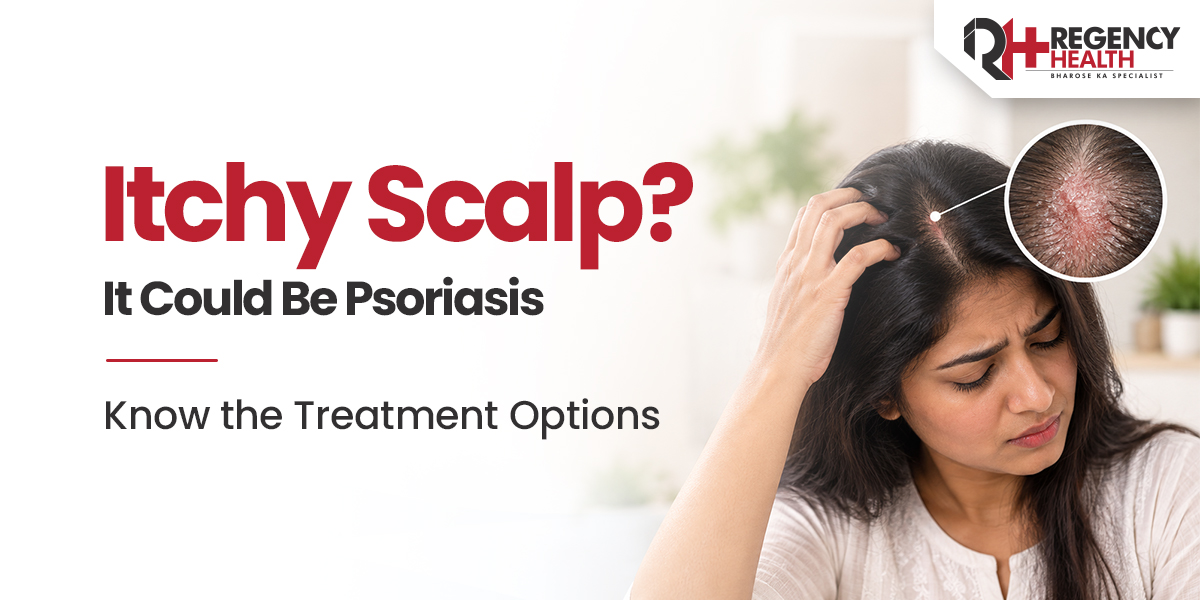
Scalp psoriasis is a common skin condition that can cause itching, dryness, thick patches and visible scaling on the scalp. Since hair can make the affected skin difficult to see and treat, managing this condition may sometimes require extra care.
Several treatment options are available depending on the severity of the condition. These may include medicated shampoos, topical medicines, scale-softening treatments, light therapy and oral or injectable medicines. With the right approach, symptoms can often be controlled and flare-ups managed.
What Is Scalp Psoriasis?
Scalp psoriasis is a chronic inflammatory skin condition in which the immune system causes skin cells to grow too quickly. This leads to a buildup of skin cells on the surface, resulting in raised patches or plaques covered with white or silvery scales.
It can affect a small area of the scalp or cover most of it. In some people, psoriasis may also extend beyond the hairline to the forehead, ears or back of the neck. The condition may occur on its own or along with psoriasis on other parts of the body. Psoriasis on head is not caused by poor hygiene and cannot be spread from one person to another.
What Are the Symptoms of Scalp Psoriasis?
Symptoms can range from mild flaking to thick and uncomfortable patches. Some people may experience only occasional itching, while others may have persistent irritation.
Common symptoms include:
| Common Symptoms | What You May Notice |
|---|---|
| Itching | Persistent or occasional scalp itching |
| Scaling | White or silvery flakes |
| Thick patches | Raised, dry areas on the scalp |
| Redness | Inflamed or irritated skin |
| Hairline patches | Psoriasis may extend beyond the hairline |
| Hair shedding | Temporary hair loss may occur with severe irritation |
Scratching the scalp or trying to remove thick scales forcefully can cause small injuries, bleeding and further irritation. In some cases, this may also contribute to temporary hair shedding.
What Causes Scalp Psoriasis?
The exact cause of psoriasis is not completely understood. It involves an overactive immune response that causes skin cells to develop much faster than usual.
Certain factors can trigger or worsen symptoms in some people. These may include:
- Stress
- Skin injuries
- Severe sunburn
- Certain infections
- Smoking
- Alcohol
- Some medicines
- Changes in weather
Triggers can vary from person to person. Keeping track of factors that appear to worsen your symptoms may help you discuss them with your dermatologist.
How Is Scalp Psoriasis Diagnosed?
A dermatologist can usually diagnose scalp psoriasis by examining the scalp and checking other areas of the skin for signs of psoriasis. This is important because several other conditions can cause similar symptoms. Dandruff, seborrheic dermatitis, eczema and fungal infections can all cause itching and scaling, but their treatments are different.
In some cases, additional testing may be recommended if the diagnosis is unclear.
How to Treat Scalp Psoriasis
There is no single treatment that works for everyone. The choice depends on how severe the condition is, how much of the scalp is affected, whether psoriasis is present elsewhere and how you have responded to previous treatments.
A dermatologist may recommend one treatment or combine several approaches.
1. Medicated Shampoos
Medicated shampoos are often used for mild scalp psoriasis and may also be included as part of treatment for more persistent symptoms. Depending on your condition, a dermatologist may recommend shampoos containing ingredients such as salicylic acid or coal tar.
Salicylic acid can help soften and loosen thick scales, making it easier for other medicines to reach the affected skin. Coal tar may help reduce scaling and itching in some people. When using a medicated shampoo, follow the instructions carefully. It is generally important to work the product into the scalp rather than simply applying it to the hair.
2. Topical Corticosteroids
Topical corticosteroids are commonly prescribed for scalp psoriasis because they can reduce inflammation, itching, redness and scaling.
They may come in different forms, including:
- Lotions
- Solutions
- Foams
- Gels
- Shampoos
The strength and duration of treatment depend on the severity of the condition. Stronger corticosteroids should not be used for long periods without medical supervision because prolonged use can cause side effects.
3. Scale-Softening Treatments
Thick scales can sometimes prevent medicines from reaching the affected skin properly. Scale-softening products can help loosen this buildup. Ingredients such as salicylic acid may be recommended for this purpose. Once the scales become softer, the prescribed treatment can reach the scalp more effectively.
Avoid scraping or pulling scales off with your fingernails. This can damage the skin and make irritation worse.
4. Vitamin D-Based Treatments
Dermatologists may prescribe vitamin D-based medicines such as calcipotriol or calcipotriene for some people with psoriasis. These medicines can help slow excessive skin-cell growth and control psoriasis. In some cases, they may be used along with a corticosteroid.
The right medicine and treatment duration should be decided by a dermatologist based on your condition.
5. Coal Tar Treatments
Coal tar has been used to manage psoriasis for many years. It may help reduce scaling and itching in some people. It is available in shampoos and other formulations. However, coal tar can have a strong smell, may stain clothing and hair, and can irritate sensitive skin in some people.
For these reasons, it may not be suitable for everyone.
6. Light Therapy
If topical treatments do not provide enough relief, a dermatologist may consider light therapy. Targeted phototherapy can be used to treat psoriasis affecting areas such as the scalp. Because hair can make it difficult for light to reach the affected skin, specialised techniques or equipment may sometimes be required.
Light therapy should be performed under appropriate medical guidance.
7. Oral or Injectable Medicines
For moderate to severe psoriasis, medicines that work throughout the body may be considered, particularly when topical treatments are not enough or psoriasis affects several areas.
Depending on the individual’s condition, treatment may include medicines such as:
| Treatment | How It May Help |
|---|---|
| Medicated shampoos | Help reduce scaling and itching |
| Corticosteroids | Reduce inflammation, redness and itching |
| Salicylic acid | Helps soften and remove thick scales |
| Vitamin D-based medicines | Help control excessive skin-cell growth |
| Light therapy | May help when topical treatments are not enough |
| Oral or injectable medicines | May be used for moderate to severe psoriasis |
Medicines such as methotrexate, cyclosporine, apremilast and biologic therapies may be considered in selected patients. These treatments require medical supervision because the choice depends on the severity of psoriasis, overall health, other medicines and potential side effects.
How to Take Care of Your Scalp
Treatment works best when combined with gentle scalp care. A few simple habits can help prevent unnecessary irritation.
Wash the Scalp Gently
Avoid vigorous rubbing or scratching while washing your hair. A gentle approach can reduce irritation and discomfort.
Do Not Pick the Scales
Thick flakes may be tempting to remove, but picking or scratching them can cause bleeding and damage the skin. Let prescribed medicines and scale-softening products loosen them gradually.
Use Conditioner
Some medicated shampoos can leave the hair feeling dry. Using a suitable conditioner can make the hair easier to manage and reduce dryness.
Avoid Excessive Heat
Very hot water, blow dryers and heated styling tools may irritate a sensitive scalp. Use moderate temperatures whenever possible.
Avoid Tight Hairstyles
Tight hairstyles can put pressure on the scalp and may increase irritation. Looser hairstyles can be more comfortable during a flare-up.
Be Careful With Hair Products
Hair dyes, straightening products, perms and some styling products may irritate the scalp in certain people. If you notice that a particular product makes your symptoms worse, stop using it and discuss it with your dermatologist.
Can Scalp Psoriasis Cause Hair Loss?
Scalp psoriasis does not usually cause permanent hair loss. However, severe inflammation, frequent scratching and forcefully removing scales can contribute to temporary hair shedding.
Being gentle with the scalp and following the recommended treatment can help reduce this risk. If hair loss continues even after the psoriasis improves, consult a dermatologist because hair loss can have many different causes.
Can Scalp Psoriasis Be Completely Cured?
Scalp psoriasis is a chronic condition, so it can improve and then return. There is currently no permanent cure that works for everyone.
However, appropriate treatment can control symptoms and may help the scalp remain clear or significantly improve for periods of time. Treatment may need to be adjusted if symptoms return or become more severe.
When Should You See a Dermatologist?
You should consider seeing a dermatologist if:
- Your scalp remains itchy or flaky for a long time.
- Thick patches are developing.
- Over-the-counter shampoos are not helping.
- Your scalp is painful or bleeding.
- You are experiencing unexplained hair loss.
- Patches are spreading beyond the hairline.
- Symptoms keep returning despite treatment.
A dermatologist can determine whether your symptoms are caused by psoriasis or another scalp condition and recommend a treatment plan based on your needs.
Conclusion
Scalp psoriasis can be uncomfortable and frustrating, but the right treatment can help manage its symptoms. If you are experiencing persistent itching, thick scaling or recurring patches, consulting a best dermatologist in Kanpur can help identify the condition and choose an appropriate treatment. Medicated shampoos, topical medicines, scale-softening treatments, light therapy and systemic medicines may all have a role depending on the severity of the condition.
If symptoms continue or keep returning, avoid using strong medicines for long periods without medical advice. Getting the condition diagnosed correctly is important because other scalp problems can cause similar symptoms.
For expert evaluation and personalised treatment, you can consult the dermatology specialists at Regency Hospitals for psoriasis and other acute and chronic skin conditions.
Frequently Asked Questions
1. What is the fastest way to treat scalp psoriasis?
Treatment depends on its severity. Medicated shampoos and prescribed topical medicines may help mild cases, while severe psoriasis may require additional treatment.
2. Can I use an anti-dandruff shampoo for scalp psoriasis?
Some medicated anti-dandruff shampoos may help with scaling, but they may not be enough to control psoriasis. A dermatologist can recommend the appropriate shampoo based on your condition.
3. Can scalp psoriasis cause permanent hair loss?
Scalp psoriasis can cause temporary hair shedding, particularly due to severe inflammation or scratching. Hair usually grows back once the scalp condition is controlled.
4. Can scalp psoriasis go away on its own?
Symptoms may improve or disappear for some time, but psoriasis is a chronic condition and can return. Proper treatment can help control flare-ups.
5. Is scalp psoriasis contagious?
No. Scalp psoriasis is not contagious and cannot spread from one person to another through physical contact.
Read More:
- Different types of Skin Disorders
- Skin Rash on Body: Common Reasons & How to Identify Them
- Skin conditions you should know
- How to Remove Pigmentation from Face Naturally