
 Call-an-Ambulance
Back Pain: Reasons, Symptoms, Treatment, and Relief Options
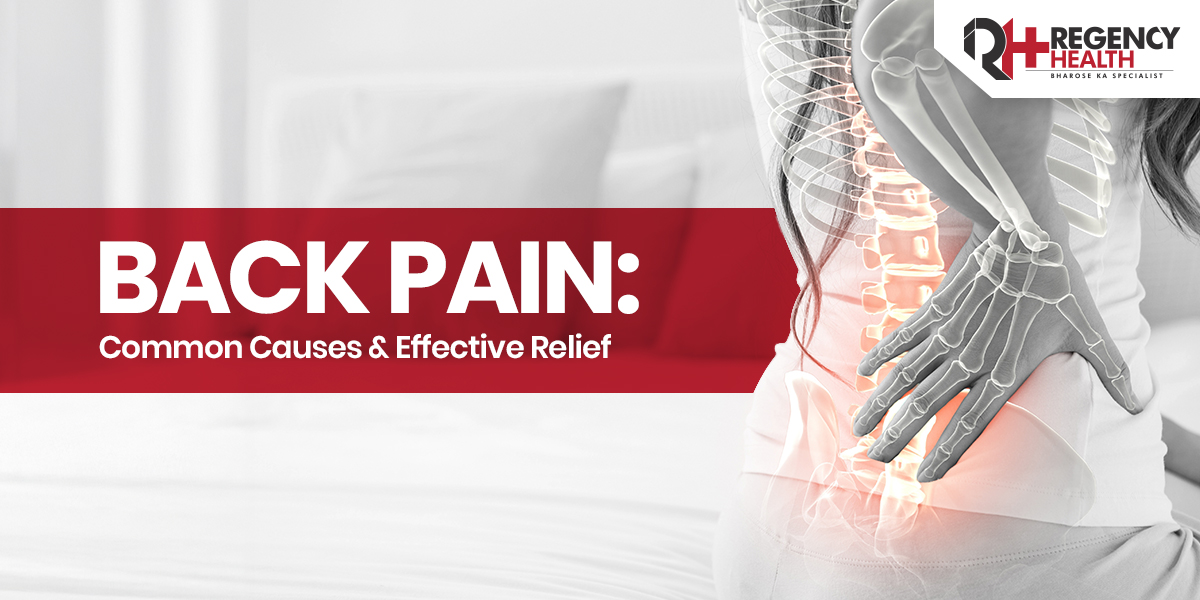
Back pain is one of the most common health complaints affecting people of all ages. From office workers and homemakers to athletes and older adults, almost everyone experiences back pain at some point in life. While some cases are mild and temporary, others may interfere with daily activities and require medical attention.
Understanding the common back pain reasons, early warning signs, and available treatment options can help prevent long-term discomfort and complications. This article explains everything you need to know about back pain in a simple and easy-to-understand way.
What Is Back Pain?
Back pain refers to discomfort or stiffness felt anywhere along the spine, from the neck to the lower back. It can appear suddenly or develop gradually over time. The pain may be dull, sharp, constant, or intermittent and may sometimes spread to the legs or shoulders.
Depending on its duration, back pain is classified as:
- Acute back pain – lasts a few days to weeks
- Chronic back pain – lasts more than 3 months
Common Back Pain Reasons
Knowing the common back pain reasons helps identify whether the pain is temporary or needs medical evaluation. Most cases are linked to lifestyle factors, posture, or muscle strain.
Common Causes of Back Pain
| Cause | Explanation |
|---|---|
| Poor posture | Slouching while sitting or standing |
| Muscle strain | Overuse or sudden movement |
| Slipped disc | Disc bulges and presses on nerves |
| Arthritis | Wear and tear of spinal joints |
| Injury or trauma | Accidents or falls |
| Sedentary lifestyle | Weak back and core muscles |
These back pain often overlap, making it important to address both symptoms and underlying causes.
Back Pain Symptoms You Should Not Ignore
Back pain symptoms can vary from person to person. Some symptoms are mild, while others may indicate a serious problem.
Common Back Pain Symptoms Include:
- Dull or sharp pain in the back
- Stiffness or reduced flexibility
- Pain that worsens with movement
- Radiating pain to legs or arms
- Muscle spasms
- Difficulty standing or walking
If back pain symptoms persist, worsen, or are accompanied by numbness or weakness, medical consultation is recommended.
Types of Back Pain
Back pain is often classified based on the affected area.
Types of Back Pain Explained
| Type | Affected Area |
|---|---|
| Neck pain | Upper spine |
| Upper back pain | Thoracic spine |
| Lower back pain | Lumbar spine (most common) |
Lower back pain is the most frequent type and a major cause of missed workdays worldwide.
When Is Back Pain Serious?
While most back pain improves with rest and self-care, certain warning signs should not be ignored.
Seek Medical Help If You Experience:
- Pain lasting more than 2 weeks
- Severe or worsening pain
- Pain after an accident or fall
- Numbness or tingling in legs
- Difficulty controlling bladder or bowel
Early diagnosis helps prevent complications and speeds recovery.
Diagnosis of Back Pain
Doctors diagnose back pain using a combination of medical history, physical examination, and imaging if required.
Common Diagnostic Tests
| Test | Purpose |
|---|---|
| Physical exam | Check posture, movement, reflexes |
| X-ray | Detect bone problems |
| MRI / CT scan | Identify disc or nerve issues |
| Blood tests | Rule out infection or inflammation |
Accurate diagnosis guides the most effective back pain treatment plan.
Back Pain Treatment Options
Back pain treatment depends on the cause, severity, and duration of pain. Most cases improve with conservative care.
Common Back Pain Treatment Methods
| Treatment | How It Helps |
|---|---|
| Rest & activity modification | Prevents further strain |
| Pain relievers | Reduce inflammation and pain |
| Physiotherapy | Improves strength and flexibility |
| Heat or cold therapy | Relieves muscle tension |
| Surgery | Reserved for severe cases |
Doctors usually recommend non-surgical back pain treatment first, with surgery considered only if symptoms persist.
Back Pain Relief at Home
Many people seek simple ways for back pain relief without medication.
Effective Back Pain Relief Tips:
- Maintain correct posture
- Use firm mattress support
- Apply warm or cold compress
- Avoid heavy lifting
- Take short breaks from sitting
Consistent self-care plays a major role in long-term back pain relief.
Back Pain Exercises for Strength and Flexibility
Regular movement and stretching are essential for recovery. Back pain exercises help strengthen muscles and reduce stiffness.
Simple Back Pain Exercises
| Exercise | Benefits |
|---|---|
| Pelvic tilt | Strengthens lower back |
| Knee-to-chest stretch | Relieves tension |
| Cat-cow stretch | Improves spinal mobility |
| Walking | Enhances circulation |
Perform back pain exercises under professional guidance, especially if pain is severe or chronic.
Lifestyle Changes to Prevent Back Pain
Small changes in daily habits can prevent recurring back pain.
Helpful Lifestyle Tips:
- Maintain healthy body weight
- Practice ergonomic sitting
- Stay physically active
- Avoid prolonged sitting
- Lift objects correctly
Prevention is often the best long-term solution.
When to Seek Medical Care for Back Pain
Most episodes of back pain improve with rest and simple self-care. However, medical evaluation becomes important when pain is persistent, severe, or begins to interfere with daily activities. Ongoing discomfort may indicate an underlying muscle injury, spinal condition, or nerve involvement that requires professional assessment.
At Regency Hospitals, patients with back pain are evaluated using a structured clinical approach supported by modern diagnostic facilities and experienced orthopedic teams. Consulting the best ortho doctor in Lucknow helps ensure accurate diagnosis, appropriate treatment planning, and guided rehabilitation to support recovery, restore mobility, and reduce the risk of long-term complications.
Conclusion
Back pain is a widespread condition that can significantly affect quality of life if ignored. Understanding its causes, recognizing early symptoms, and following appropriate treatment and relief measures can help prevent long-term problems. With timely medical care, proper exercises, and healthy lifestyle habits, most people can recover fully and stay active.
Frequently Asked Questions (FAQs)
What are the most common back pain reasons?
Poor posture, muscle strain, disc problems, arthritis, and lack of physical activity are common causes.
What are common back pain symptoms?
Pain, stiffness, muscle spasms, and difficulty moving are common symptoms.
What is the best back pain treatment?
Treatment depends on the cause but often includes physiotherapy, medications, and lifestyle changes.
How can I get back pain relief at home?
Rest, heat or cold therapy, posture correction, and gentle exercises help relieve pain.
Are back pain exercises safe?
Yes, when done correctly and under guidance, exercises improve strength and reduce pain.
Read More:
- What Are The Functions Of Your Spine?
- What is spondylosis and how we can fight this condition?
- Spinal Fusion Surgery: Procedure, Benefits & Cost
- Arthritis: Symptoms, Causes, Types, Treatment & Prevention