
 Call-an-Ambulance
What Causes Bipolar Disorder? Risk Factors, Genetics & Triggers Explained
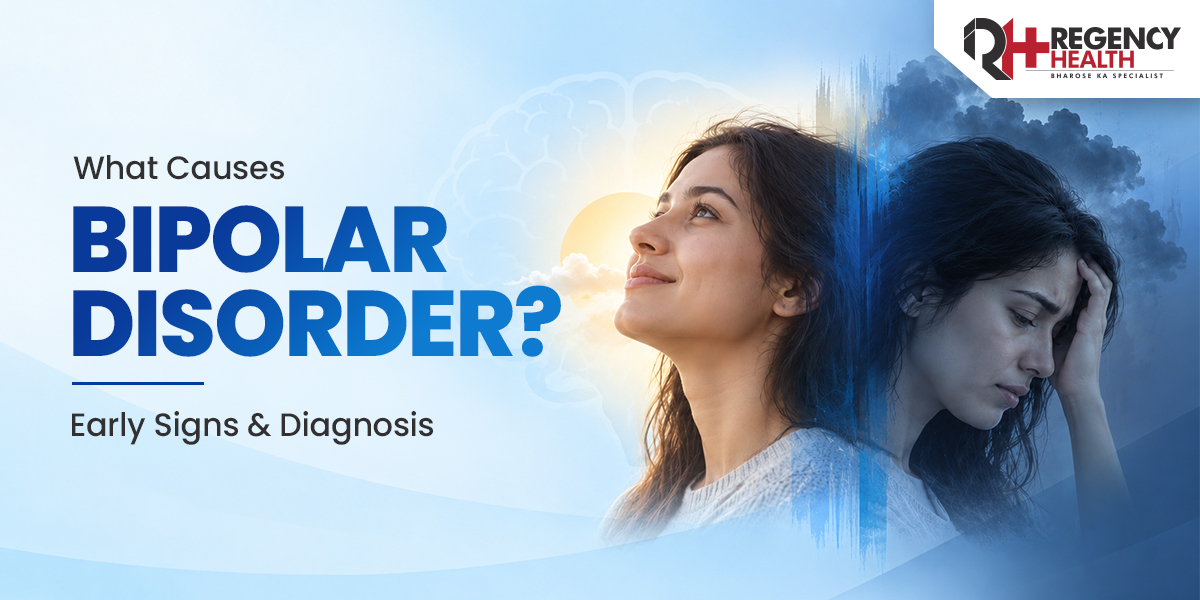
Mood swings are a normal part of life, but when extreme emotional highs and lows begin to interfere with relationships, work, or daily functioning, they may indicate a mental health condition such as bipolar disorder. This condition affects millions of people worldwide and is characterized by episodes of mania (or hypomania) and depression.
Although researchers have studied bipolar disorder extensively, its exact cause remains unknown. Instead, experts believe it develops due to a combination of genetic, biological, environmental, and psychological factors. Understanding these risk factors can help people recognize symptoms early and seek timely medical care.
What Is Bipolar Disorder?
Bipolar disorder is a chronic mental health condition that causes unusual changes in mood, energy levels, activity, concentration, and behavior.
People with bipolar disorder typically experience:
- Manic or hypomanic episodes (unusually elevated mood and energy)
- Depressive episodes (persistent sadness and loss of interest)
- Periods of relatively stable mood between episodes
The severity, duration, and frequency of episodes vary from person to person.
Types of Bipolar Disorder
| Type | Description |
|---|---|
| Bipolar I Disorder | Characterized by at least one manic episode, usually followed by depressive episodes. |
| Bipolar II Disorder | Involves recurrent depressive episodes with hypomania but no full manic episode. |
| Cyclothymic Disorder | Long-term mood fluctuations with milder hypomanic and depressive symptoms lasting at least two years. |
| Other Specified Bipolar Disorders | Mood symptoms that do not fully meet the criteria for the above categories. |
What Causes Bipolar Disorder?
The exact causes of bipolar disorder are still being researched. Most experts believe no single factor is responsible. Instead, multiple biological and environmental influences work together to increase the risk.
1. Genetics
Genetics is one of the strongest known risk factors.
Research suggests that individuals with a close family member such as a parent or sibling with bipolar disorder are more likely to develop the condition than those without a family history.
However, having a family history does not guarantee that someone will develop bipolar disorder. Many people with a genetic predisposition never experience the illness.
2. Brain Structure and Brain Chemistry
Studies using brain imaging have found subtle differences in the brains of some people with bipolar disorder.
Researchers believe abnormalities involving neurotransmitters such as:
- Dopamine
- Serotonin
- Norepinephrine
- Glutamate
may contribute to mood instability.
These chemical messengers help regulate mood, sleep, concentration, and emotions.
3. Hormonal and Biological Factors
Hormonal changes may influence mood regulation in some individuals.
Episodes can sometimes occur during periods of:
- Puberty
- Pregnancy
- Postpartum period
- Menopause
- Thyroid disorders
Hormonal changes alone do not cause bipolar disorder but may trigger episodes in susceptible individuals.
4. Stressful Life Events
Major life stressors can trigger the first episode or worsen symptoms in people who are genetically vulnerable.
Examples include:
- Loss of a loved one
- Divorce
- Financial difficulties
- Job loss
- Relationship problems
- Physical illness
- Trauma
Stress does not directly cause bipolar disorder but may contribute to symptom onset.
5. Childhood Trauma
People who experienced significant childhood adversity may have a higher risk of developing several mental health disorders, including bipolar disorder.
Examples include:
- Emotional abuse
- Physical abuse
- Sexual abuse
- Neglect
- Domestic violence
- Early parental loss
Early trauma may affect stress response systems and emotional regulation later in life.
6. Sleep Disturbances
Poor sleep can trigger mood episodes in people already living with bipolar disorder.
Potential sleep-related triggers include:
- Sleep deprivation
- Shift work
- Frequent travel
- Jet lag
- Irregular sleep schedules
Maintaining a consistent sleep routine is considered an important part of long-term management.
7. Substance Use
Alcohol and recreational drug use may increase the risk of mood episodes or make existing symptoms worse.
Common substances include:
- Alcohol
- Cocaine
- Cannabis
- Amphetamines
- Certain stimulants
Substance use may also interfere with medications and delay recovery.
8. Medical Conditions
Some neurological and endocrine disorders may contribute to mood symptoms that resemble bipolar disorder or trigger episodes in susceptible individuals.
Examples include:
- Thyroid disorders
- Multiple sclerosis
- Stroke
- Parkinson’s disease
- Epilepsy
These conditions require careful medical evaluation before confirming a diagnosis.
Risk Factors for Bipolar Disorder
Several factors may increase the likelihood of developing bipolar disorder.
| Risk Factor | How It Increases Risk |
|---|---|
| Family history | Strongest known risk factor |
| Childhood trauma | May increase vulnerability |
| Stressful life events | Can trigger episodes |
| Substance misuse | May worsen symptoms |
| Sleep disruption | Common trigger |
| Hormonal changes | May influence mood stability |
Bipolar Disorder Symptoms
The bipolar disorder symptoms vary depending on whether the person is experiencing mania, hypomania, or depression.
Symptoms of Mania
People experiencing mania may have:
- Extremely elevated mood
- Increased energy
- Reduced need for sleep
- Racing thoughts
- Talking excessively
- Increased confidence
- Risk-taking behavior
- Poor judgment
- Impulsive spending
- Increased goal-directed activity
Severe mania may also involve psychotic symptoms.
Symptoms of Depression
Depressive episodes may include:
- Persistent sadness
- Loss of interest in daily activities
- Fatigue
- Sleeping too much or too little
- Poor concentration
- Feelings of hopelessness
- Changes in appetite
- Weight changes
- Thoughts of self-harm or suicide
Symptoms usually last at least two weeks.
Common Triggers for Bipolar Episodes
Although triggers vary from person to person, common ones include:
- Lack of sleep
- Emotional stress
- Alcohol use
- Recreational drugs
- Stopping medication suddenly
- Major life changes
- Seasonal changes
- Physical illness
Identifying personal triggers can help reduce future episodes.
How Is Bipolar Disorder Diagnosed?
There is no single laboratory test to diagnose bipolar disorder.
Diagnosis typically includes:
- Detailed psychiatric evaluation
- Medical history
- Family history
- Physical examination
- Blood tests to rule out medical causes
- Assessment using DSM-5 diagnostic criteria
You may also come across the term bipolar disorder ICD10, which refers to the International Classification of Diseases (ICD-10) coding system used for documenting bipolar and related mood disorders in healthcare settings. It is primarily used for medical classification, diagnosis recording, and healthcare documentation.
Bipolar Disorder Treatments
Although there is no permanent cure, modern bipolar disorder treatments can help most people manage symptoms effectively and improve their quality of life.
Treatment may include:
Medications
Doctors may prescribe:
- Mood stabilizers
- Atypical antipsychotics
- Antidepressants (carefully selected)
- Anti-anxiety medications
Medication should always be taken exactly as prescribed.
Psychotherapy
Psychological therapies may include:
- Cognitive Behavioral Therapy (CBT)
- Family-focused therapy
- Interpersonal and Social Rhythm Therapy
- Psychoeducation
These therapies help patients recognize early warning signs and improve coping skills.
Lifestyle Modifications
Healthy habits can complement medical treatment:
- Maintain regular sleep
- Exercise regularly
- Eat a balanced diet
- Avoid alcohol and drugs
- Manage stress
- Practice mindfulness
Can Bipolar Disorder Be Prevented?
There is currently no proven way to prevent bipolar disorder.
However, early recognition of symptoms, timely diagnosis, medication adherence, therapy, and avoiding known triggers may reduce the frequency and severity of mood episodes.
When Should You See a Doctor?
Seek professional help if you or someone you know experiences:
- Severe mood swings
- Persistent depression
- Episodes of unusually high energy
- Risk-taking behavior
- Difficulty functioning at work or school
- Thoughts of self-harm or suicide
Early intervention often leads to better long-term outcomes.
Conclusion
Bipolar disorder is a complex mental health condition influenced by genetics, brain chemistry, environmental factors, and life experiences. While the exact causes of bipolar disorder are not fully understood, recognizing early symptoms and seeking timely medical care can significantly improve long-term symptom management and overall quality of life.
If you notice persistent bipolar disorder symptoms or frequent mood changes that interfere with work, relationships, or daily activities, do not ignore them. Early diagnosis and personalized bipolar disorder treatments can help individuals manage the condition effectively and lead fulfilling lives. For expert evaluation, accurate diagnosis, and comprehensive psychiatric care from the best psychiatric hospital in Kanpur, you can consult the experienced mental health specialists at Regency Hospitals.
Frequently Asked Questions (FAQs)
What is the main cause of bipolar disorder?
There is no single cause. Bipolar disorder is believed to result from a combination of genetic, biological, environmental, and psychological factors.
Is bipolar disorder hereditary?
Yes. Having a parent or sibling with bipolar disorder increases the risk, but it does not mean a person will definitely develop the condition.
What are the early bipolar disorder symptoms?
Early symptoms may include unusual mood swings, periods of excessive energy, reduced need for sleep, persistent sadness, fatigue, and difficulty concentrating.
Can bipolar disorder be cured permanently?
There is currently no permanent cure. However, medications, psychotherapy, and healthy lifestyle habits can effectively control symptoms and reduce relapses.
What is bipolar disorder ICD10?
Bipolar disorder ICD10 refers to the diagnostic coding system (International Classification of Diseases, 10th Revision) used by healthcare professionals for documenting and classifying bipolar disorders for medical records and healthcare reporting.
Read More:
- Difference Between Anxiety and Depression: Symptoms, Causes & Treatment
- Mental Health: Causes, Signs and Symptoms – Regency Healthcare
- Types of Mental Health issues and illnesses – Regency Healthcare Ltd.
- Bipolar vs Borderline Personality Disorder: How Different are they?