
 Call-an-Ambulance
Here’s How Cigarette Smoking Can Affect Your Lungs
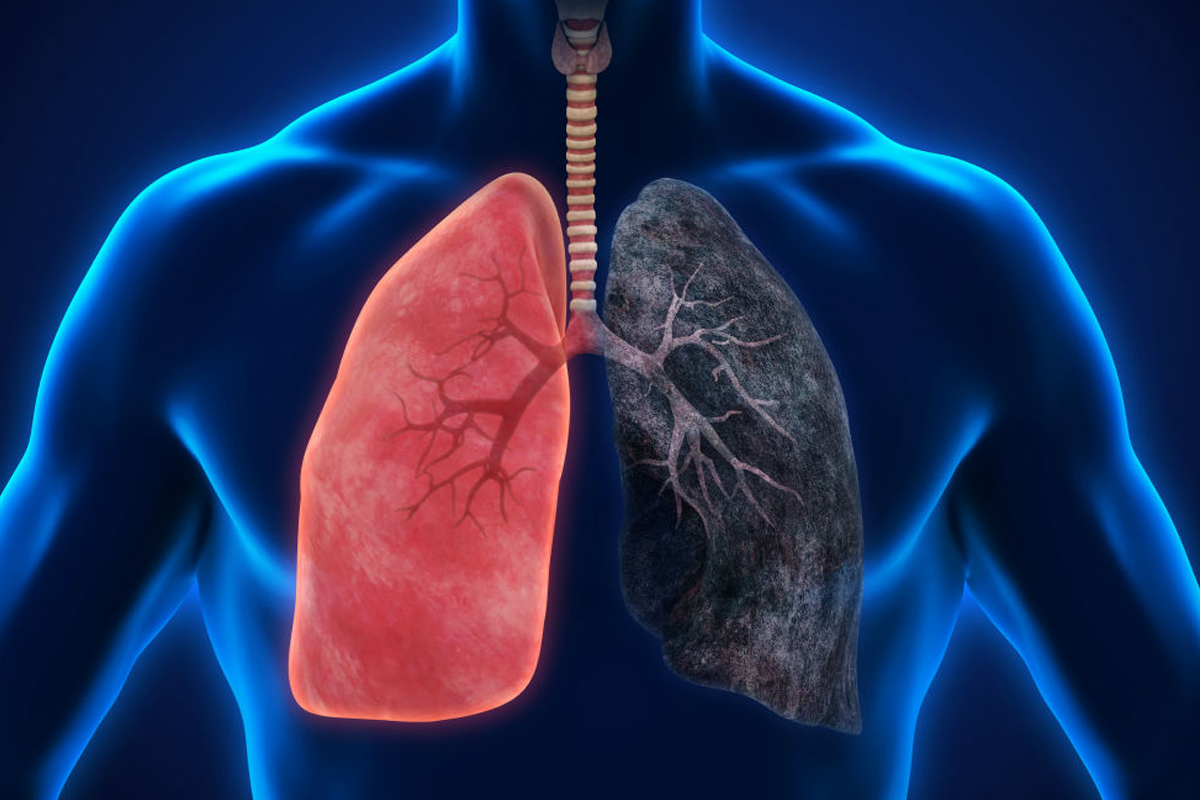
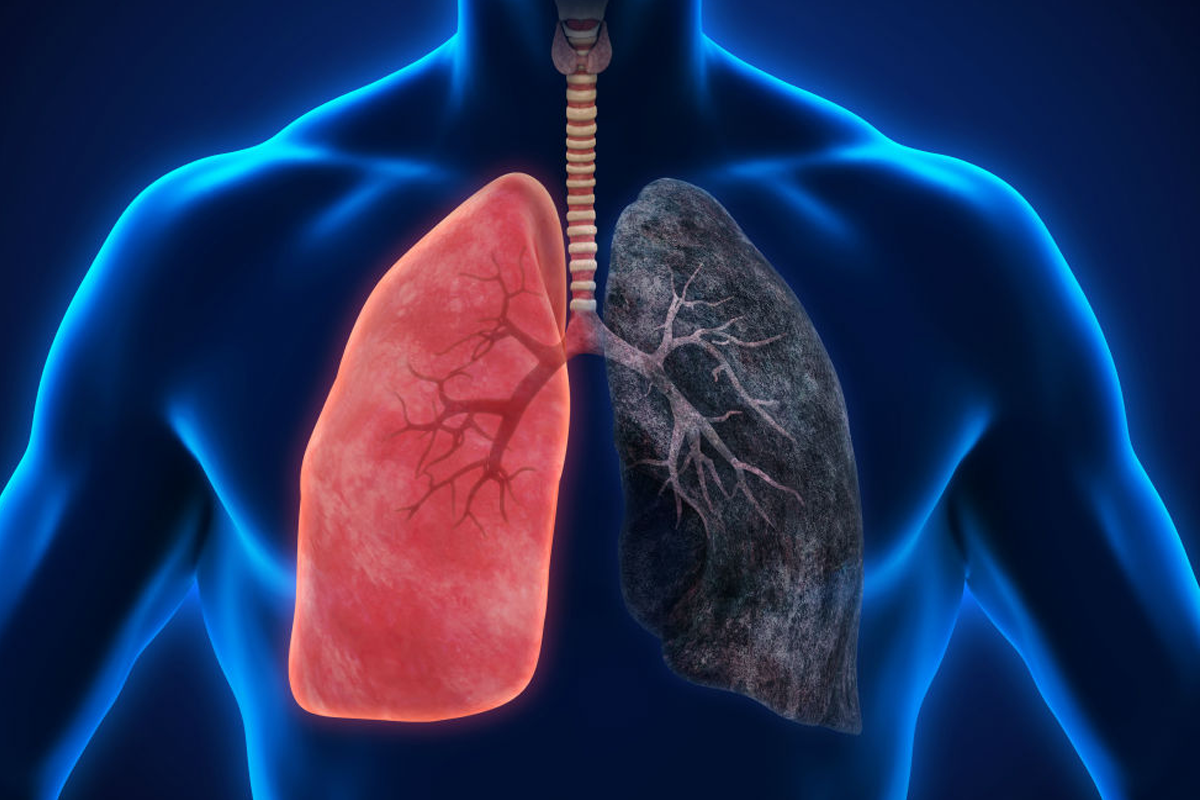
Smoking is the number one cause of preventable diseases and deaths worldwide. It is also a leading factor for chronic obstructive pulmonary disease (COPD) and lung cancer. Regular smoking transforms normal cells into cancerous ones, causing multiple health issues that can become life-threatening over time.
Alarming Facts About Tobacco and Cigarettes
-
Tobacco smoke contains over 60 toxic substances that can lead to lung cancer.
-
Smoking 25 cigarettes a day increases your lung cancer risk 25 times compared to non-smokers.
-
A single cigarette contains more than 4,800 chemicals, 69 of which are known carcinogens.
-
Smoking increases your risk of lung diseases like pneumonia, emphysema, and chronic bronchitis.
Other Forms of Tobacco
Apart from cigarettes, other tobacco products also harm your lungs:
-
Pipe tobacco
-
Cigars
-
Powdered tobacco
-
Chewing tobacco
How Smoking Affects Your Lungs
1. Less Airflow
Even one or two cigarettes inflame and irritate the lungs, decreasing the number of blood vessels and air spaces. This reduces oxygen delivery to vital organs.
2. More Mucus
Smoking enlarges mucus-producing cells, causing excessive mucus. The lungs struggle to clear it, clogging airways and causing persistent coughing.
3. More Infections
Excess mucus increases susceptibility to infections. Smoking also weakens the lungs’ natural defenses, making infections more likely.
4. Fewer Cilia
Cilia clean the lungs, but smoking slows their movement immediately. Continuous smoking reduces the number of cilia, impairing lung cleansing.
Benefits of Quitting Smoking
-
Risk of lung cancer drops significantly within five years of quitting.
-
Pre-cancerous tissues may return to normal after quitting.
-
Overall lung function improves, reducing infections and improving oxygen flow.
How to Quit Smoking
Cigarette addiction is both physical and psychological. Follow these steps to live smoke-free:
-
Set a Quit Date: Pick a date at least a month ahead to prepare mentally.
-
Reduce Cigarettes Gradually: Cut down the number of cigarettes in the weeks leading up to quitting.
-
Seek Support: Tell friends and family about your plan for encouragement.
-
Distract Yourself: Make a list of activities to divert your mind during cravings.
-
Remove Triggers: Dispose of cigarettes, lighters, ashtrays, and avoid smokers.
-
Consult Your Doctor: Medication or therapy can help manage withdrawal symptoms and keep you on track.
Also Read: Why is Smoking a Health Hazard?
Request a call back