

 Call-an-Ambulance
How to Remove Pigmentation from Face Naturally
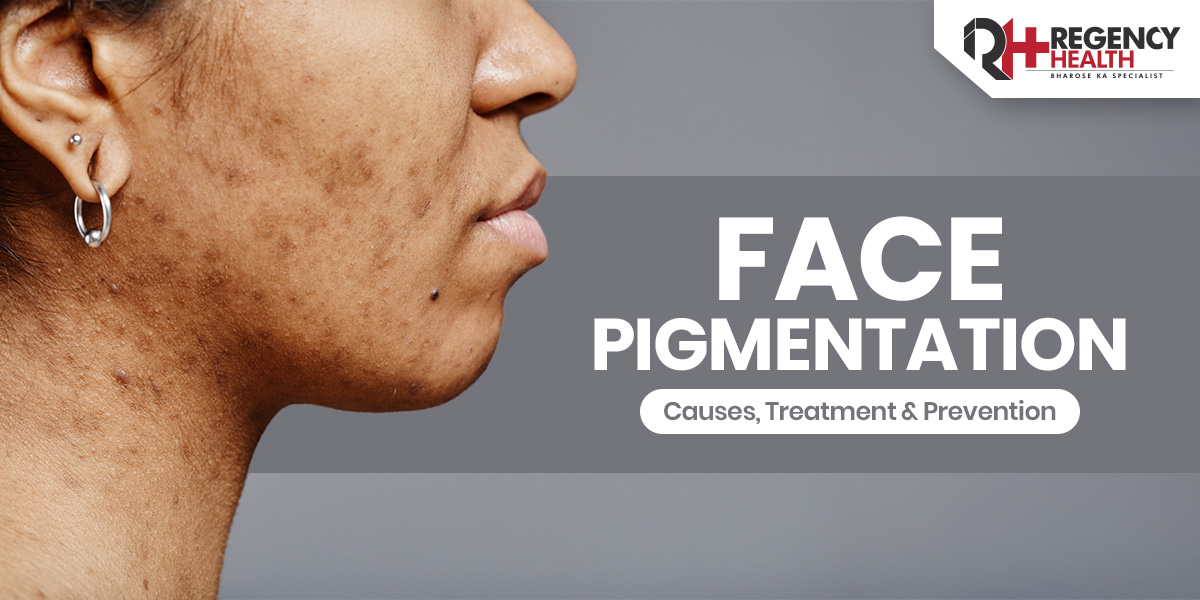
Healthy and glowing skin is something everyone desires. However, many people experience skin concerns that affect their confidence, and one of the most common issues is pigmentation on face. It usually appears as dark patches, spots, or uneven skin tone, making the skin look dull or aged.
Pigmentation can occur due to several factors such as sun exposure, hormonal imbalance, acne scars, aging, or certain medical conditions. While this condition is generally harmless, it can impact the appearance of the skin and may require proper care and treatment.
What Is Pigmentation?
To understand treatment methods, it is important to know what is pigmentation.
Pigmentation refers to the natural coloring of the skin caused by a pigment called melanin. Melanin is produced by special cells in the skin known as melanocytes. These cells determine the color of our skin, hair, and eyes.
When melanin production increases or becomes uneven, it leads to pigmentation on face, which appears as dark spots or patches on the skin.
Pigmentation can affect people of all skin types and ages. In some cases, it fades on its own, but in other cases it may require professional pigmentation treatment.
Types of Pigmentation on Face
Different types of pigmentation can appear on the face. Identifying the type helps in choosing the right treatment.
| Type of Pigmentation | Description |
|---|---|
| Melasma | Brown or grey patches usually caused by hormonal changes |
| Sunspots | Dark spots caused by excessive sun exposure |
| Post-inflammatory hyperpigmentation | Dark marks left after acne or skin injury |
| Freckles | Small brown spots often influenced by genetics |
| Age spots | Pigmentation that appears with aging |
Each type of pigmentation on face may respond differently to treatment methods.
Causes of Pigmentation on Face
Understanding the cause is important when looking for solutions on how to remove pigmentation from face naturally.
1. Sun Exposure
Excessive sun exposure is one of the most common causes of pigmentation. Ultraviolet (UV) rays increase melanin production, leading to dark spots and uneven skin tone.
2. Hormonal Changes
Hormonal fluctuations during pregnancy, menopause, or due to certain medications can cause melasma, which leads to pigmentation patches on the face.
3. Acne and Skin Inflammation
Acne, injuries, burns, or skin infections can leave behind dark marks known as post-inflammatory hyperpigmentation.
4. Aging
As people age, the skin’s ability to regulate melanin decreases, which can result in age spots or uneven pigmentation.
5. Genetics
Some people naturally develop freckles or pigmentation due to genetic factors.
How to Remove Pigmentation from Face Naturally
Many individuals search for how to remove pigmentation from face naturally, especially when pigmentation becomes persistent. The most effective approach usually involves a combination of skincare routines, medical treatments, and healthy lifestyle habits. Dermatologists recommend personalized pigmentation treatment depending on the severity and cause of pigmentation.
Medical Pigmentation Treatment Options
Modern dermatology provides several safe and effective treatments to reduce pigmentation on face.
1. Chemical Peels
Chemical peels involve applying a special solution that removes the outer layer of the skin.
Benefits include:
- Reduction of dark spots
- Improved skin texture
- Brighter and more even skin tone
This treatment encourages new skin cells to grow, which helps reduce pigmentation over time.
2. Laser Therapy
Laser treatment is an advanced procedure used to target deep pigmentation.
It works by:
- Breaking down excess melanin
- Stimulating skin regeneration
- Improving overall skin tone
Laser procedures are commonly recommended when people are looking for solutions on how to remove pigmentation from face naturally.
3. Microdermabrasion
Microdermabrasion is a gentle skin exfoliation procedure that removes dead skin cells.
Benefits include:
- Smoother skin
- Reduced pigmentation
- Brighter complexion
It is often used for mild to moderate pigmentation on face.
4. Prescription Creams
Dermatologists may recommend topical creams that help reduce pigmentation gradually.
| Ingredient | Benefits |
|---|---|
| Hydroquinone | Reduces melanin production |
| Retinoids | Boosts skin cell turnover |
| Vitamin C | Brightens and evens skin tone |
| Kojic Acid | Helps reduce dark spots |
These medications are often used as part of long-term pigmentation treatment.
Home Remedies for Pigmentation
Some people prefer natural methods before considering medical treatments. Certain home remedies for pigmentation may help improve mild pigmentation.
However, results may vary and may take time.
1. Aloe Vera
Aloe vera is known for its soothing and skin-repairing properties. Applying aloe vera gel regularly may help reduce pigmentation over time.
2. Turmeric
Turmeric has natural antioxidant properties that may help brighten skin and reduce dark spots. A turmeric face mask mixed with yogurt or honey can be used occasionally.
3. Lemon Juice
Lemon contains natural vitamin C that may help lighten pigmentation. However, it should be used carefully because it may irritate sensitive skin.
4. Potato Juice
Potato contains natural enzymes that may help reduce dark spots and pigmentation when applied regularly.
5. Green Tea
Green tea contains antioxidants that may help reduce skin damage and improve overall skin health.
Although these home remedies for pigmentation may help mild cases, professional treatment may be needed for stubborn pigmentation.
Skincare Routine to Prevent Pigmentation
A proper skincare routine plays a major role in preventing pigmentation on face. Following daily skincare habits can protect the skin from damage.
| Skincare Step | Purpose |
|---|---|
| Gentle Cleanser | Removes dirt and excess oil |
| Sunscreen | Protects skin from UV damage |
| Moisturizer | Maintains skin hydration |
| Antioxidant Serum | Helps repair skin damage |
Using sunscreen daily is especially important to prevent pigmentation from worsening.
Lifestyle Tips for Healthy Skin
Lifestyle habits also play an important role in maintaining healthy skin and reducing pigmentation.
Some helpful tips include:
- Drink enough water to keep the skin hydrated
- Eat a balanced diet rich in fruits and vegetables
- Avoid excessive sun exposure
- Manage stress levels
- Follow a regular skincare routine
Healthy lifestyle choices can support the skin’s natural healing process.
When to See a Dermatologist
If pigmentation becomes darker, spreads, or does not improve with home remedies, it is important to consult a dermatologist. Professional diagnosis helps determine the exact cause and the most suitable pigmentation treatment. Early treatment can prevent pigmentation from becoming more severe.
Conclusion
Pigmentation is a common skin concern that can affect people of all ages. Understanding what is pigmentation and its causes can help you choose the right treatment approach.
While mild cases may improve with skincare and home remedies for pigmentation, persistent pigmentation on face may require professional treatments such as chemical peels, laser therapy, or prescription creams.
If you are searching for reliable guidance on how to remove pigmentation from face naturally, consulting skin experts can help you receive safe and effective treatment options. For expert care and personalized skin advice, you can consult specialists at Regency Hospitals and seek guidance from the best dermatologist in Gorakhpur for appropriate treatment.
Frequently Asked Questions (FAQs)
What causes pigmentation on face?
Common causes include sun exposure, hormonal changes, acne scars, aging, and genetics.
How to remove pigmentation from face naturally?
Permanent reduction of pigmentation usually requires medical treatments like chemical peels, laser therapy, or dermatologist-prescribed creams.
Are home remedies effective for pigmentation?
Some home remedies for pigmentation like aloe vera, turmeric, and potato juice may help lighten mild pigmentation, but results vary.
Which treatment is best for pigmentation?
The best pigmentation treatment depends on the cause and severity of pigmentation. Dermatologists may recommend topical creams, laser therapy, or chemical peels.
Can sunscreen help prevent pigmentation?
Yes, regular use of sunscreen helps protect the skin from UV rays and prevents new pigmentation from developing.
Read More:
- Home Remedies for Acne: Treat & Prevent Naturally
- 20 Simple Home Remedies for Glowing Skin
- Skin Rash on Body: Causes, Types, Symptoms & Treatment
- Gut Health Matters: Signs, Benefits & Easy Fixes