
 Call-an-Ambulance
Osteopenia: Causes, Symptoms, Diagnosis & Treatment
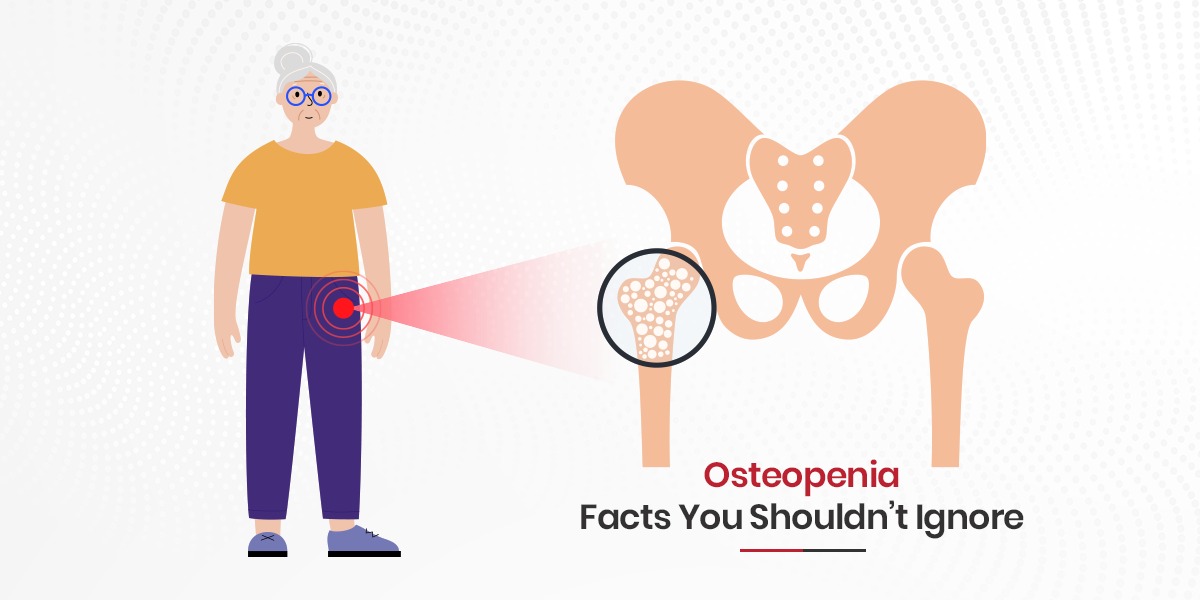
Osteopenia is a bone condition that impacts millions of people around the globe, especially as they age. It indicates a reduction in bone density. In 2005, India had an overall incidence of 52% in the population due to low bone density and a higher risk for fractures. By learning “what is osteopenia” and what are alternative treatments, you will learn to safeguard your bone health to reduce complications.
What is Osteopenia?
It is a term for a mineral density of bone that is lower than normal but not low enough to be classified as osteoporosis. Think of it as somewhere in the middle between healthy bone and osteoporosis.
Osteopenia meaning: Your bones have less mineral content and density than they should, and they are weaker, although they are not critically fragile.
Bone density is measured by a DEXA scan, and the results are scored as a T-score:
- Normal: T-score of -1.0 or greater
- Osteopenia: T-score of between -1.0 and -2.5
- Osteoporosis: T-score of -2.5 or less
Causes and Risk Factors
There are various causes and risk factors for developing this bone condition.
Common Causes:
- Normal aging and hormonal changes
- Low estrogen levels after menopause
- Low calcium and vitamin D intake
- No weight-bearing exercise,
- The use of some medications, such as corticosteroids
Risk Factors:
- Age above 50
- Female sex, particularly after menopause
- Family characteristics of bone health
- Smaller and thinner frame/body
- Smoking and drinking high amounts of alcohol
- Inactive
Osteopenia Symptoms
One challenging aspect is that osteopenia symptoms are often absent or very subtle. As with many conditions, low bone density typically does not result in pain or other significant signs until you suffer a fracture.
Important Characteristics:
- Silent progression: Most people do not know when they have it until they are diagnosed
- No pain: it does not cause any pain
- No visible changes: Physically, you will not see any difference
Possible Warning Signs:
- Receding of your gums
- Decreasing grip strength
- Weak and brittle nails
- Decreasing height over time
Osteopenia Treatment
Osteopenia treatment involves slowing bone loss and preventing it from worsening into osteoporosis. By taking care of your osteopenia, you can usually improve your bone health.
Lifestyle Changes:
Diet and Nutrition:
- Calcium: 1000 to 1200 mg in your diet, from dairy, leafy greens, or fortified foods
- Vitamin D: 600 to 800 IU in your diet from sun exposure or fatty fish, in addition to supplements to maintain adequate levels
- Protein: Adequate lean protein in your diet to assist with bone structure
Exercise Program:
- Weight-Bearing Exercises: Walking, jogging, dancing, or hiking
- Resistance Training: Lifting weights or using resistance bands
- Balance Exercises: Yoga or tai Chi to reduce the risk of falls
Lifestyle Changes:
- Quit Smoking
- Limit Alcohol to <2 drinks per day
- Implement fall prevention protocols in your house
Medical Treatments:
Your provider may initiate medications if you have low bone density or a previous fracture. Commonly prescribed medications include:
- Bisphosphonates: Medications that do not promote bone resorption
- Hormone therapy: Medications used for post menopausal women
- Calcium and vitamin D supplements: if unable to meet dietary recommendations
Conclusion
This particular bone condition is a valuable reminder to take action to support your bone health. Typically, with the right lifestyle changes, diet, exercise, and medical supervision, you can maintain or even improve your bone density.
Screening for early detection and sustained vigilance with bone-healthy habits will help you protect your bones and sustain your quality of life for years to come. For expert evaluation, visit the best ortho doctor in Gorakhpur at Regency Hospitals for comprehensive bone density testing and personalized treatment plans.
Also Read: Shoulder Pain: Causes, Treatment Options & When to See a Doctor
Frequently Asked Questions (FAQs)
What is the best exercise for osteopenia?
This condition is most effectively managed and improved through weight-bearing and resistance activity. Examples of weight-bearing activities include walking, jogging, dancing, and stair climbing, as they require your bones to push against gravity. Resistance training, whether performed with free weights or resistance bands, builds muscle and bone.
Is osteopenia a serious condition?
While less serious than osteoporosis, this condition is serious as it increases your risk for fractures and can get worse if not treated. The good news is that there are ways to manage this condition with diet, exercise, and lifestyle changes, maintain bone health, and prevent further bone loss and complications.
How do you increase bone density?
You will want to increase your bone density by following a routine that includes regular weight-bearing exercises, a diet with 1000–1200 mg of calcium daily, sufficient vitamin D intake, a sufficient amount of protein-rich foods, quitting smoking, limiting alcohol, and maintaining a healthy body weight.
What is the best treatment for osteopenia?
The best approach is a combination of lifestyle changes that include: regular weight-bearing exercise, daily intake of 1000–1200 mg of calcium, daily intake of 600–800 IU of Vitamin D, quitting smoking, limiting alcohol consumption, and maintaining a healthy weight.
What are the first signs of osteopenia?
For most people, there are no early symptoms of osteopenia, as there are often no signs or symptoms until a fracture occurs. Possible subtle indicators include receding gums, weakening grip strength, brittle fingernails, or gradual height loss, though these aren’t definitive symptoms.