
 Call-an-Ambulance
Everything You Need to Know About Plastic and Cosmetic Surgery
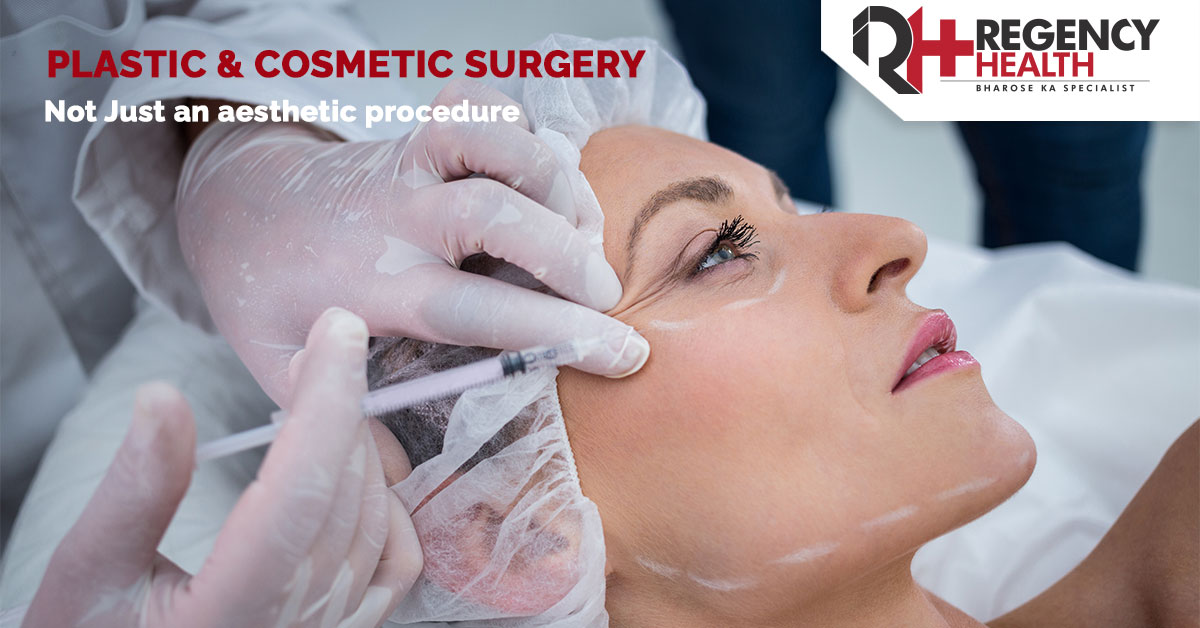
Plastic and cosmetic surgery has become a common part of modern healthcare conversations, but it is still surrounded by confusion. Many people associate it only with beauty enhancement, while the actual scope is much wider. It can involve appearance-focused procedures, corrective treatments, reconstruction, and improvements that help people feel more comfortable in their own body.
A key point to understand is that plastic surgery is an umbrella term, and cosmetic surgery comes under it. This blog explains plastic and cosmetic surgery in a simple way, including common procedures, benefits, safety factors, recovery, and important things to know before making a decision.
What Is Plastic and Cosmetic Surgery?
Plastic and cosmetic surgery refers to a range of medical procedures designed to reshape, repair, reconstruct, or enhance different parts of the body. The word “plastic” does not mean artificial. It comes from the Greek word plastikos, which means to mould or shape. This makes the term highly relevant because the specialty focuses on restoring or reshaping tissues, skin, muscles, and body structures.
Plastic surgery covers a wide medical scope. It may involve repairing facial injuries, treating burn scars, reconstructing body parts after cancer surgery, correcting congenital concerns, improving hand function, or restoring damaged skin and soft tissue. These procedures are often planned to improve both appearance and function.
Cosmetic surgery is a more appearance-focused branch within plastic surgery. It is usually chosen to enhance a person’s existing features rather than treat a medical problem. Procedures such as rhinoplasty, liposuction, tummy tuck, facelift, eyelid surgery, hair transplant, and breast enhancement are commonly associated with cosmetic goals.
However, the boundaries are not always rigid. A single procedure may have both functional and aesthetic value. For example, nose surgery may improve facial proportion and also support better breathing in some cases. Similarly, scar revision may improve skin appearance while also reducing tightness or discomfort. This is why plastic and cosmetic surgery is best understood as a spectrum of procedures rather than two completely separate categories.
Common Procedures in Plastic and Cosmetic Surgery
Plastic and cosmetic surgery includes several procedures, each designed for a specific concern. Some are performed for restoration, some for enhancement, and some for a combination of both.
1. Rhinoplasty
Rhinoplasty is commonly known as nose surgery. It may be performed to change the shape, size, bridge, tip, or overall structure of the nose. Some people choose it for facial balance, while others may need it after injury or due to structural concerns that affect breathing. The best results usually look natural and suit the person’s overall facial features.
2. Liposuction
Liposuction is a body-contouring procedure that removes stubborn fat from specific areas such as the abdomen, thighs, arms, back, waist, or chin. It is important to understand that liposuction is not a weight-loss solution. It works best for people who are close to a stable weight but have fat deposits that do not respond well to diet and exercise.
3. Tummy Tuck
A tummy tuck, also called abdominoplasty, helps remove excess skin and tighten the abdominal area. It is often considered after pregnancy, major weight loss, or ageing-related skin laxity. In some cases, it may also help repair weakened abdominal muscles. Recovery requires patience because swelling and tightness can take time to settle.
4. Breast Surgery
Breast surgery may include breast augmentation, reduction, lift, correction of asymmetry, or reconstruction. Some procedures are chosen for cosmetic reasons, while others may be required after medical treatment or physical discomfort. For example, breast reduction may help reduce back or shoulder strain in some patients, while breast reconstruction may restore shape after surgery.
5. Facelift and Neck Lift
A facelift or neck lift focuses on visible signs of ageing, such as sagging skin, deep folds, loose jawline, and loss of facial definition. The goal is not to create an artificial or overly pulled appearance. A well-planned procedure aims to make the face look fresher, more balanced, and naturally rejuvenated.
6. Eyelid Surgery
Eyelid surgery, also known as blepharoplasty, removes excess skin or fat around the upper or lower eyelids. It may be done to improve a tired appearance or, in some cases, to reduce heaviness around the eyes. When planned carefully, it can make the eyes look more open and refreshed.
7. Hair Transplant
Hair transplant surgery moves healthy hair follicles from one part of the scalp to areas affected by thinning or baldness. It is commonly used for pattern hair loss. Results are gradual and may take several months to become visible, as transplanted hair follows a natural growth cycle.
8. Scar Revision and Skin Grafting
Scar revision aims to improve the appearance, texture, or flexibility of scars. Skin grafting may be used when healthy skin is needed to cover an area affected by burns, wounds, or surgery. These procedures are often important in reconstructive care because they can improve both appearance and movement.
Benefits of Plastic and Cosmetic Surgery
The benefits of plastic and cosmetic surgery vary from person to person. For some, the outcome may be physical comfort or better function. For others, it may improve confidence, proportion, or ease in daily life. The value of the procedure depends on the concern being treated, the patient’s health, and the expectations discussed during consultation.
- Better physical comfort: Some procedures may help reduce discomfort caused by excess skin, tissue imbalance, scarring, or structural concerns.
- Improved confidence in daily life: With realistic expectations, patients may feel more comfortable in social, personal, and professional settings.
- More balanced appearance: Certain procedures can enhance proportion and symmetry while maintaining a person’s natural features.
- Easier movement and mobility: Reconstructive or corrective procedures may improve comfort and movement when tight skin, scars, or tissue damage create limitations.
- Support after major body changes: Surgery may help address physical changes resulting from pregnancy, ageing, significant weight loss, injury, or medical treatments.
- Personalised treatment goals: Each procedure can be tailored to the patient’s body type, specific concerns, health condition, and desired outcomes.
- Long-term emotional ease: For some individuals, addressing a long-standing concern may help reduce self-consciousness and improve overall well-being.
Conclusion
Plastic and cosmetic surgery is not a one-size-fits-all decision. The right procedure depends on the person’s concern, health condition, expectations, and the medical advice they receive. While some procedures may support physical comfort or reconstruction, others may help improve proportion, balance, or confidence. In both cases, the decision should be made with clarity, not pressure.
For anyone considering plastic and cosmetic surgery, the next step should be a detailed consultation to assess procedure suitability, safety, recovery needs, and expected outcomes.
At Regency Hospitals, renowned as the best hospital in Gorakhpur, we offer access to experienced cosmetic and plastic surgery specialists, advanced surgical care, and personalised treatment planning tailored to individual needs.
Whether you or your loved one is considering plastic and cosmetic surgery, book a consultation with our specialists today and take the first step toward safe, personalised, and informed care.
FAQs
What is cosmetic surgery and plastic surgery?
Plastic surgery is a broad medical field that includes reconstructive and appearance-related procedures, while cosmetic surgery is a part of it that mainly focuses on improving appearance.
Can type 2 diabetics have plastic surgery?
Yes, people with type 2 diabetes may have plastic surgery, but only if their blood sugar is well controlled and their doctor confirms they are fit for surgery.
How risky is cosmetic surgery?
Cosmetic surgery is usually safe when performed by a qualified surgeon in a proper medical setting. With the right planning, health checks, and aftercare, most risks can be reduced significantly.
What falls under cosmetic surgery?
Cosmetic surgery includes procedures that focus on improving or refining appearance, such as nose reshaping, facelifts, liposuction, tummy tucks, eyelid surgery, and breast-related aesthetic procedures. The goal is usually to enhance proportion, symmetry, or overall appearance based on the person’s preferences.
What is the ideal age for cosmetic surgery?
There is no fixed ideal age for cosmetic surgery, as it depends on the procedure, health condition, and personal goals. A qualified surgeon can guide whether the timing is right based on physical maturity and medical fitness.
Read More:
- Skin Rash on Body: Causes, Types, Symptoms & Treatment
- Summer Skincare Tips for Radiant Skin – Regency Healthcare Ltd.
- Different types of Skin Disorders – Regency Healthcare Ltd
- 10 Essential Monsoon Skincare Tips for Clear & Glowing Skin
Request a call back