
 Call-an-Ambulance
Why Elderly Care Is Important for Senior Health, Safety, and Well-Being
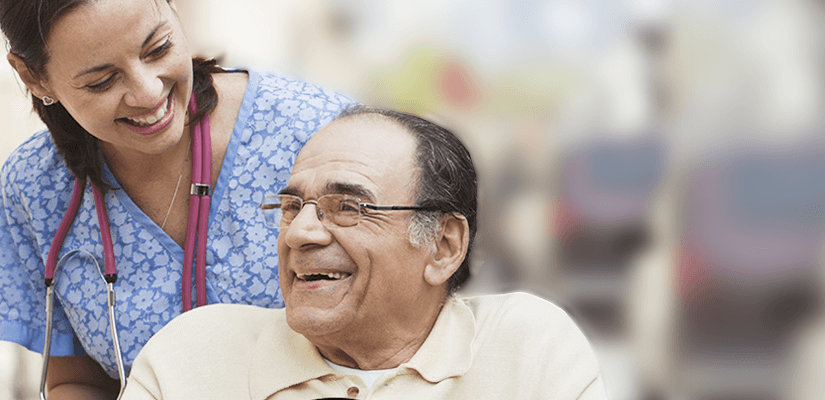
As people age, the body undergoes several physical, emotional, and cognitive changes. While ageing is a natural and inevitable process, proper elderly care can significantly improve the quality of life for seniors. Older adults often face health challenges such as chronic diseases, reduced mobility, memory problems, and emotional isolation.
With the right support system, medical supervision, and lifestyle habits, families can ensure that their elderly loved ones remain safe, healthy, and respected. This blog explains the importance of elderly care, common health challenges among seniors, and practical ways families can provide effective care at home.
Understanding Elderly Care
Elderly care refers to the physical, emotional, and medical support provided to older adults who may require assistance in their daily lives. It includes healthcare monitoring, help with routine activities, emotional companionship, and ensuring a safe living environment.
As people grow older, their immune system weakens, mobility decreases, and the risk of chronic conditions increases. These changes make it essential for families and healthcare providers to work together to provide proper care and support.
In recent years, elderly care in India has become an important topic due to increasing life expectancy and the growing elderly population. According to demographic trends, India is witnessing a steady rise in people aged 60 years and above, making senior care services more important than ever.
Why Elderly Care is Important
Proper elderly care is essential for maintaining health, independence, and emotional well-being among older adults.
1. Prevents Health Complications
Ageing increases the risk of chronic diseases such as diabetes, arthritis, hypertension, osteoporosis, and heart disease. Regular medical supervision and early detection can prevent complications and improve treatment outcomes, such as reducing the severity of chronic diseases and enhancing the quality of life for older adults.
2. Supports Mental Health
Many seniors experience loneliness, depression, or cognitive decline. Compassionate elderly care ensures that older adults receive emotional support, companionship, and mental stimulation.
3. Improves Quality of Life
With proper care, seniors can continue enjoying hobbies, social interactions, and daily activities. Assistance with mobility and nutrition also helps them maintain independence.
4. Ensures Safety
Age-related changes in balance and vision increase the risk of falls and injuries. Preventive measures and supervised care reduce these risks significantly.
Common Health Challenges in the Elderly
Older adults often experience multiple health issues that require attention and monitoring.
| Health Condition | Description | Why Care Matters |
|---|---|---|
| Dementia | A condition that affects memory and thinking abilities | Requires supervision and cognitive support |
| Alzheimer’s Disease | Progressive neurological disorder affecting memory | Needs specialized care and monitoring |
| Arthritis | Joint inflammation causing pain and stiffness | Physiotherapy and mobility assistance help |
| Heart Disease | Common in older adults due to ageing arteries | Regular checkups and lifestyle management |
| Osteoporosis | Weakening of bones leading to fractures | Proper diet and fall prevention are crucial |
Many of these conditions require ongoing care, medication management, and lifestyle changes, highlighting the importance of consistent elderly care.
Practical Tips for Effective Elderly Care at Home
Providing care for ageing parents or family members can feel overwhelming, but with proper planning and support it becomes manageable.
1. Build a Strong Support System
Caregiving should not fall entirely on one person. Family members, professional caregivers, and home care services can share responsibilities.
Professional caregivers often assist with:
- Grocery shopping
- Cooking and meal preparation
- Laundry and housekeeping
- Medication reminders
- Doctor visits
Such services are becoming increasingly common in elderly care in India, especially in urban areas where families may have demanding work schedules.
2. Schedule Regular Medical Checkups
Routine health checkups help detect diseases early and ensure proper treatment. Important information to keep ready during doctor visits includes:
- Medical history
- Current medications
- Dosage details
- Previous test reports
| Recommended Health Checkups | Frequency |
|---|---|
| Blood pressure monitoring | Every 3–6 months |
| Blood sugar test | Every 6 months |
| Eye examination | Once a year |
| Bone density test | As recommended by doctor |
| Heart health screening | Once a year |
Regular consultations with healthcare providers play a crucial role in maintaining effective elderly care.
3. Encourage Physical Activity
Physical activity is extremely beneficial for older adults. Light exercises can improve flexibility, balance, and cardiovascular health. Recommended activities include:
- Walking
- Yoga
- Light stretching
- Physiotherapy exercises
- Breathing exercises
Regular physical activity improves mood, strengthens muscles, and reduces the risk of falls.
4. Focus on a Balanced and Nutritious Diet
Ageing affects digestion and appetite, which means seniors may eat less. However, their nutritional needs remain high. A healthy diet should include:
| Nutrient | Importance for Seniors | Food Sources |
|---|---|---|
| Calcium | Strengthens bones | Milk, yogurt, leafy greens |
| Protein | Maintains muscle strength | Eggs, lentils, fish |
| Fiber | Supports digestion | Whole grains, fruits |
| Vitamin D | Improves bone health | Sunlight, fortified foods |
| Omega-3 | Supports brain health | Nuts, seeds, fish |
A balanced diet and proper hydration are key components of long-term elderly care.
5. Ensure Fall Prevention
Falls are one of the leading causes of injuries among seniors. Preventing falls should be a priority in every home. Safety measures include:
- Installing non-slip mats in bathrooms
- Keeping floors dry and clutter-free
- Ensuring adequate lighting
- Encouraging the use of proper footwear
- Installing grab bars near toilets and showers
These simple steps greatly reduce injury risks and support safe elderly care at home.
6. Consider Hiring a Nursing Attendant
A trained nursing attendant can provide professional support while allowing seniors to remain in the comfort of their home. Responsibilities may include:
- Monitoring vital signs
- Managing medications
- Assisting with mobility
- Providing hygiene support
- Identifying early warning signs of health issues
Professional caregivers can act quickly if a health condition worsens, which is essential in effective elderly care.
7. Elder-Proof the Home
Many families overlook home modifications that make daily life easier for seniors. Useful safety tools include:
- Grab bars and handrails
- Fire alarms and smoke detectors
- Medication organizers
- Mobility aids such as walkers
- Emergency alert systems
With rising awareness about elderly care in India, many households are now making these adjustments to improve safety.
Emotional and Social Support for Seniors
Apart from physical health, emotional well-being is equally important. Seniors who feel valued and socially connected tend to have better mental health. Ways to support emotional wellness include:
- Encouraging hobbies such as gardening or reading
- Spending quality family time together
- Helping them stay connected with friends
- Encouraging participation in community activities
- Providing mental stimulation through games or learning
Compassion, patience, and understanding are the foundations of meaningful elderly care.
The Growing Importance of Elderly Care in India
India’s ageing population is expanding rapidly due to improved healthcare and longer life expectancy. With changing family structures and urban lifestyles, many seniors may not receive adequate daily support. As a result, elderly care in India is evolving to include:
- Home healthcare services
- Assisted living facilities
- Geriatric medical departments
- Telemedicine consultations
- Community support programs
Healthcare institutions and families both play a vital role in strengthening elderly care systems across the country by providing necessary resources, emotional support, and coordinated care efforts to ensure the well-being of elderly individuals.
Conclusion
Caring for aging parents or loved ones requires compassion, patience, and proactive planning. Proper elderly care not only improves physical health but also enhances emotional well-being and independence. Simple steps such as regular medical checkups, safe home environments, proper nutrition, and emotional support can greatly improve the lives of seniors.
When specialised medical support is required, families can consult trusted healthcare providers such as Regency Hospitals, recognised as the best hospital in Lucknow, for comprehensive geriatric care and expert medical guidance.
By prioritising dignity, safety, and compassion, families can ensure that older adults enjoy a healthy and fulfilling life.
Frequently Asked Questions (FAQs)
What does elderly care include?
Elderly care includes assistance with daily activities, medical supervision, emotional support, nutrition management, and ensuring a safe living environment for seniors.
Why is elderly care important?
Elderly care helps prevent health complications, improves quality of life, supports mental health, and ensures the safety and dignity of older adults.
What are common health issues in older adults?
Common conditions include arthritis, heart disease, dementia, Alzheimer’s disease, osteoporosis, and diabetes.
How can families support elderly parents at home?
Families can support seniors by scheduling regular health checkups, encouraging exercise, maintaining a balanced diet, ensuring fall prevention, and providing emotional companionship.
How is elderly care in India evolving?
Elderly care in India is expanding through home healthcare services, assisted living centers, geriatric specialists, and community support programs to meet the needs of the growing senior population.
Read More:
- Top 10 Health Tips to Transform Your Life!
- The Importance of Regular Health Check-ups: A Comprehensive Guide
- 10 Ways to Improve Your Heart Health
- Healthy Habits for Digestive Health
Request a call back