Blogs

Your guide to all the latest updates about the trending health topics.

08.jpg

Bleeding plays an important role in the body’s natural healing process. When a blood vessel is injured, the body quickly forms clots to stop the bleeding and begin tissue repair. However, in some individuals, this process does not work properly. As a result, bleeding may continue for longer than normal or occur without an obvious injury. This condition is known as a bleeding disorder. Understanding what is a bleeding disorder is important because these conditions can range from mild to severe and may affect daily life. Some people experience frequent nosebleeds or easy bruising, while others may have prolonged bleeding after injuries, surgeries, or dental procedures. There are several types of bleeding disorders, some inherited and others acquired later in life due to medical conditions or medications. Early diagnosis and proper treatment can help manage symptoms and reduce the risk of complications.


06-2.jpg

Eczema is one of the most common skin conditions affecting millions of people around the world. It often leads to persistent itching, redness, dryness, and skin irritation that can interfere with daily comfort and overall quality of life. Because the condition tends to recur, many people search online for how to cure eczema permanently, hoping to find a lasting solution to manage their symptoms and prevent future flare-ups. In reality, eczema is considered a chronic skin condition. This means that while it may not always have a permanent cure, it can be effectively managed with the right medical care, skincare routine, and lifestyle adjustments. Understanding what is eczema, identifying early eczema symptoms, and learning about the possible eczema causes can play an important role in controlling the condition and reducing the frequency of flare-ups.


10-1.jpg

A urinary tract infection (UTI) is a common bacterial infection that affects any part of the urinary system, including the kidneys, ureters, bladder, and urethra. The urinary tract plays a vital role in removing waste and excess fluids from the body through urine. When harmful bacteria enter this system and multiply, it can lead to infection and inflammation. Many people often search what is urinary tract infection when they experience symptoms like burning during urination or frequent urges to urinate. UTIs are among the most common infections worldwide and affect millions of people every year. Although both men and women can develop UTIs, women are more likely to experience them due to anatomical differences. Early recognition of urinary tract infection symptoms is important because untreated infections can spread to the kidneys and lead to more serious health complications. Fortunately, with timely diagnosis and appropriate urinary tract infection treatment, most infections can be managed effectively.


05-1.jpg

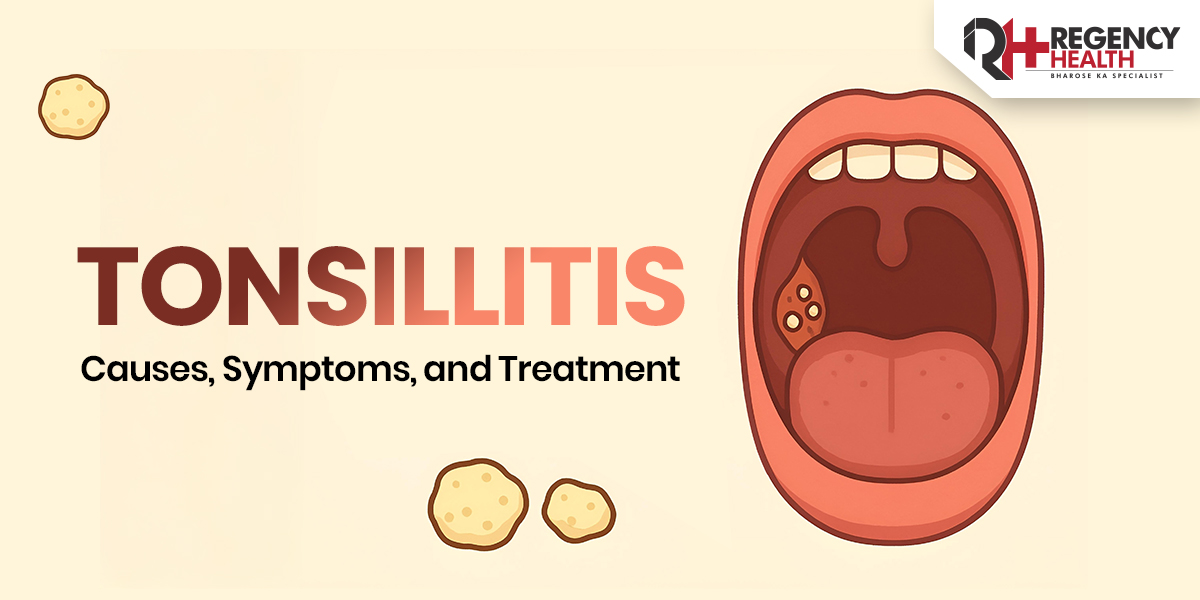
Throat infections are common, especially during seasonal changes, but when sore throat, fever, and difficulty swallowing become frequent or severe, tonsillitis may be the underlying cause. Tonsillitis affects both children and adults and can significantly disrupt daily life if not treated properly. This blog explains what is tonsillitis, its causes, common symptoms, diagnosis, treatment options, and prevention tips helping you understand when to manage it at home and when to seek medical care.


13.jpg

Typhoid fever is a serious bacterial infection that mainly affects the digestive system and bloodstream. It is caused by Salmonella Typhi bacteria and is commonly spread through contaminated food and water. Although typhoid fever is preventable and treatable, delayed diagnosis or improper care can lead to severe complications. Understanding the symptoms, causes, and available typhoid fever treatment options is essential for timely recovery and preventing spread. In developing countries like India, typhoid fever remains a significant public health concern, especially in areas with poor sanitation and unsafe drinking water. With early medical attention and appropriate treatment, most patients recover completely.


11.jpg

बुखार एक आम स्वास्थ्य समस्या है, लेकिन जब बुखार बार-बार आने लगे या लंबे समय तक बना रहे, तो यह किसी गंभीर अंदरूनी समस्या का संकेत हो सकता है। अधिकतर लोग बुखार को हल्के में ले लेते हैं और घरेलू दवाओं से ही ठीक करने की कोशिश करते हैं, लेकिन बार-बार बुखार आने का कारण जानना बहुत जरूरी होता है। इस ब्लॉग में हम बुखार से जुड़ी जरूरी जानकारी को आसान भाषा में समझाने की कोशिश करेंगे। इसमें बताया गया है कि बुखार क्यों आता है, इसके सामान्य लक्षण क्या होते हैं और किन स्थितियों में बुखार बार-बार होने लगता है। साथ ही, सही जांच और इलाज के विकल्पों पर भी चर्चा की गई है, ताकि पाठक समय रहते सही निर्णय ले सकें। यह पूरी जानकारी Regency Hospitals (रेजेंसी हॉस्पिटल्स) के अनुभवी डॉक्टरों के अनुभव और भरोसेमंद मेडिकल स्रोतों पर आधारित है।


March-23.jpg

Most of us occasionally hold our pee due to work, travel, meetings, or lack of a restroom. Ignoring our urge to urinate frequently can put pressure on our bladder and urinary system. Holding our pee occasionally is not harmful, but doing this frequently over a long period of time may lead to urinary discomfort and bladder problems. It may even increase the risk of urinary tract infection. A healthy adult bladder can typically hold about 400 to 500 milliliters of urine, which is roughly two cups. The bladder is elastic and can stretch slightly beyond this capacity, but it is designed to empty regularly. Most healthcare professionals recommend urinating every 3 to 4 hours during the day when you are awake. This article explains whether holding in pee can cause a UTI, what happens inside the body when you delay urination, and how you can protect your urinary health.


Blog-Immune-system-disorders.jpg

Autoimmune diseases occur when your immune system, which normally defends your body against infections, mistakenly attacks your own healthy cells. This can lead to inflammation, tissue damage, and dysfunction of various organs and systems. There are over 80 known autoimmune diseases, and while some are mild, others can be life-threatening if not diagnosed and managed properly.


Innovations-in-HIV-Testing-1200x608.jpg

The fight against HIV/AIDS has come a long way since the discovery of the virus in the 1980s. One critical aspect of this battle is early detection, allowing individuals to seek timely medical intervention and adopt preventive measures. In recent years, there have been groundbreaking innovations in HIV testing, making the process more accessible, convenient, and rapid. From the comfort of one’s home to clinics offering results within minutes, these advancements mark significant strides in the global effort to control and ultimately eradicate HIV.


© 2026 - Regency Healthcare

Call Back

Book an Appointment