
 Call-an-Ambulance
How to keep your kidneys healthy
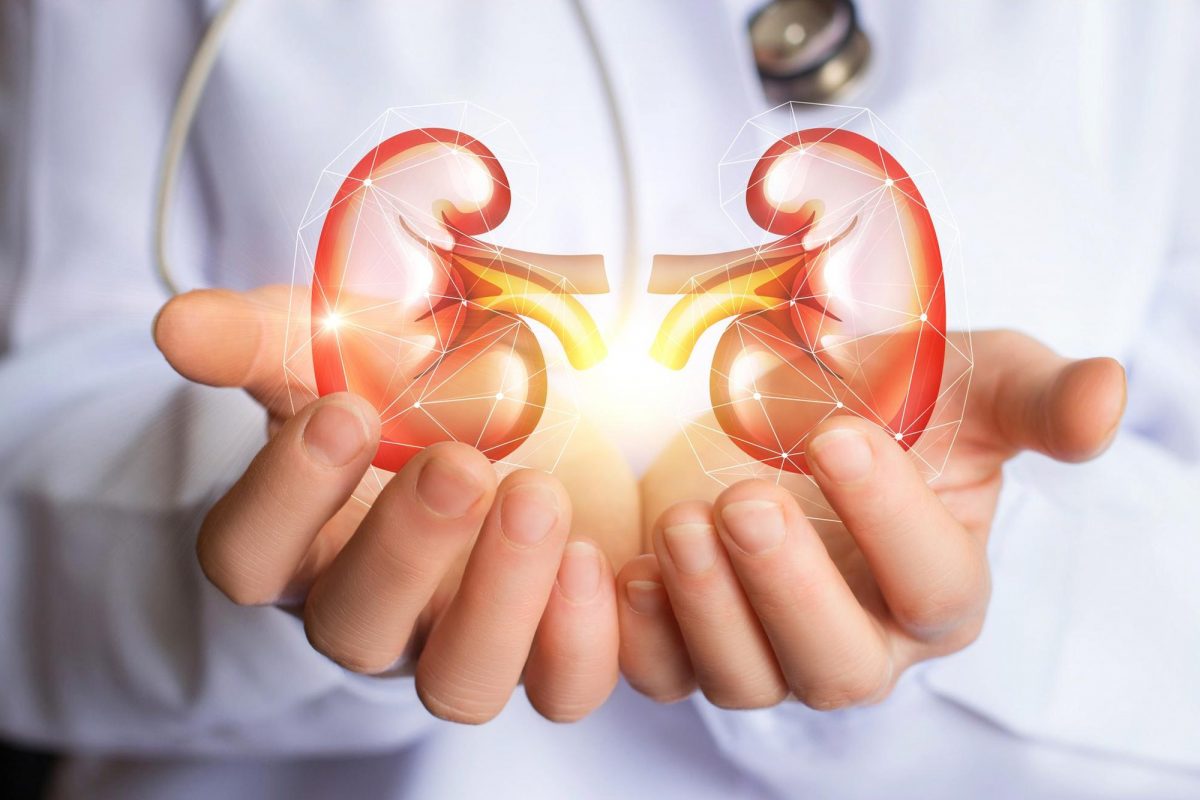
Your kidneys work around the clock to keep your body functioning properly. They filter waste from your blood, remove excess fluids, balance essential minerals, regulate blood pressure, and support the production of red blood cells. Despite their vital role, kidney health is often overlooked until symptoms become noticeable. Unfortunately, many kidney conditions develop silently, making early prevention and regular screening essential.
Whether you have diabetes, high blood pressure, a family history of kidney disease, or simply want to stay healthy, adopting the right lifestyle habits can make a significant difference. In this guide, we’ll discuss practical kidney health tips, explain how to check kidney health, and share effective ways on how to improve kidney health for the long term.
Why Kidney Health Matters
| Kidney Function | Why It Matters |
|---|---|
| Removes waste and toxins | Prevents harmful substances from building up in the body |
| Balances body fluids | Helps maintain proper hydration |
| Regulates blood pressure | Supports heart and blood vessel health |
| Maintains electrolyte balance | Keeps muscles and nerves functioning properly |
| Produces important hormones | Supports red blood cell production and bone health |
Kidney disease often progresses without obvious symptoms in its early stages. Conditions such as diabetes, high blood pressure, obesity, and aging can gradually damage the kidneys over time. Taking preventive steps today can help reduce the risk of chronic kidney disease and other kidney-related complications later in life.
8 Kidney Health Tips for Everyday Life
Making small, consistent lifestyle changes is one of the best ways to protect your kidneys.
1. Stay Well Hydrated
Drinking enough water helps your kidneys remove waste products efficiently. Proper hydration also lowers the risk of kidney stones and urinary infections. While water requirements vary from person to person, aim to drink fluids regularly throughout the day rather than consuming large amounts at once.
2. Eat a Balanced, Kidney-Friendly Diet
A healthy diet supports both your kidneys and your heart. Include plenty of fresh fruits, vegetables, whole grains, legumes, and healthy fats in your meals. Limiting processed foods, excess salt, sugary beverages, and highly processed snacks can help reduce unnecessary strain on the kidneys.
3. Control Blood Sugar Levels
People with diabetes have a higher risk of developing kidney disease. Maintaining healthy blood sugar levels through diet, exercise, medication, and regular monitoring can significantly reduce the risk of kidney damage.
4. Keep Blood Pressure Under Control
High blood pressure can damage the tiny blood vessels inside the kidneys over time. Regular blood pressure monitoring, reducing salt intake, staying physically active, and following prescribed treatment can help protect kidney function.
5. Exercise Regularly
Aim for at least 150 minutes of moderate physical activity each week. Walking, cycling, swimming, yoga, or light strength training can improve circulation, support healthy blood pressure, help maintain a healthy weight, and contribute to better kidney health.
6. Avoid Smoking and Limit Alcohol
Smoking reduces blood flow to the kidneys and increases the risk of kidney disease. Excessive alcohol intake may also contribute to dehydration and high blood pressure. Quitting smoking and drinking alcohol in moderation can improve overall kidney function.
7. Be Careful with Painkillers
Frequent or long-term use of certain over-the-counter pain medications, especially non-steroidal anti-inflammatory drugs (NSAIDs), may affect kidney function. Always follow medical advice before taking these medicines regularly, particularly if you already have kidney disease or other chronic conditions.
8. Schedule Regular Health Checkups
Routine health screenings can identify kidney problems before symptoms appear. Early detection often allows for better management and helps slow disease progression.
How to Check Kidney Health
One of the most common questions people ask is how to check kidney health. Fortunately, several simple tests can provide valuable information about how well your kidneys are functioning.
| Test | Purpose | Why It’s Important |
|---|---|---|
| Serum Creatinine | Measures kidney filtration | Detects reduced kidney function |
| eGFR | Estimates overall kidney performance | Helps identify different stages of kidney disease |
| Urine Albumin Test | Detects protein in urine | Identifies early kidney damage |
| Blood Pressure Check | Measures cardiovascular health | High blood pressure can damage kidneys |
| Kidney Ultrasound | Examines kidney structure | Detects stones, cysts, or blockages |
Early Signs of Poor Kidney Health
Kidney disease may not cause symptoms initially, but certain warning signs should never be ignored.
- Swelling in the feet, ankles, hands, or face due to fluid retention
- Foamy or bubbly urine caused by excess protein
- Blood in the urine
- Frequent urination, especially at night
- Reduced urine output
- Persistent fatigue or weakness
- Loss of appetite or nausea
- Dry, itchy skin
- Difficulty concentrating
- High blood pressure that remains difficult to control
Experiencing one or more of these symptoms does not always indicate kidney disease, but they should be evaluated by a healthcare professional.
Expert Kidney Care at Regency Hospitals
At Regency Hospitals, our nephrology team focuses on comprehensive kidney care, from preventive screening and early diagnosis to the management of chronic kidney disease and other complex kidney conditions. Using advanced diagnostic facilities and a patient-centred approach, our specialists create personalised treatment plans based on each patient’s medical needs.
Whether you require routine kidney health evaluation, treatment for kidney stones, dialysis support, or long-term management of chronic kidney disease, Regency Hospitals is committed to delivering evidence-based care with compassion and expertise.
Conclusion
Your kidneys quietly perform hundreds of essential functions every day, making their health vital to your overall well-being. The good news is that many kidney diseases can be prevented or managed through healthy lifestyle choices, regular medical checkups, and early detection.
Following simple kidney health tips, checking kidney health, and taking timely action if symptoms arise can help protect your kidneys for years to come. If you have risk factors such as diabetes, high blood pressure, obesity, or a family history of kidney disease, don’t wait for symptoms to appear. Speak with the kidney specialist in Lucknow at Regency Hospitals to safeguard your kidney health and receive the care you need.
FAQs
What are the symptoms of a bad kidney?
Common symptoms include swelling in the legs or ankles, fatigue, changes in urination, foamy or bloody urine, high blood pressure, nausea, and loss of appetite. Early kidney disease may not cause noticeable symptoms.
How do I improve my kidney health?
Maintain a healthy diet, stay hydrated, exercise regularly, manage blood sugar and blood pressure, avoid smoking, limit alcohol, and get regular kidney checkups if you’re at risk.
What is stage 3 kidney disease?
Stage 3 kidney disease is a moderate decline in kidney function, where the kidneys filter blood less effectively. With timely treatment and healthy lifestyle changes, its progression can often be slowed.
What causes kidney failure?
The leading causes of kidney failure are diabetes and high blood pressure. Other causes include infections, kidney stones, certain medications, and autoimmune diseases.
How to clean a kidney naturally?
Kidneys naturally remove waste from the body. The best way to support them is by drinking enough water, eating a balanced diet, reducing salt intake, and maintaining a healthy lifestyle.
Read More:
- Kidney Failure: Causes, Symptoms, Diagnosis & Treatment
- Top 10 Foods for Kidney Health: Best Nutrient-Rich Picks
- Chronic Kidney Disease: Symptoms, Diagnosis and Treatment Options
- How to keep your kidneys healthy | Regency Healthcare Ltd.