

 Call-an-Ambulance
Know the risk factors of Alzheimer’s disease
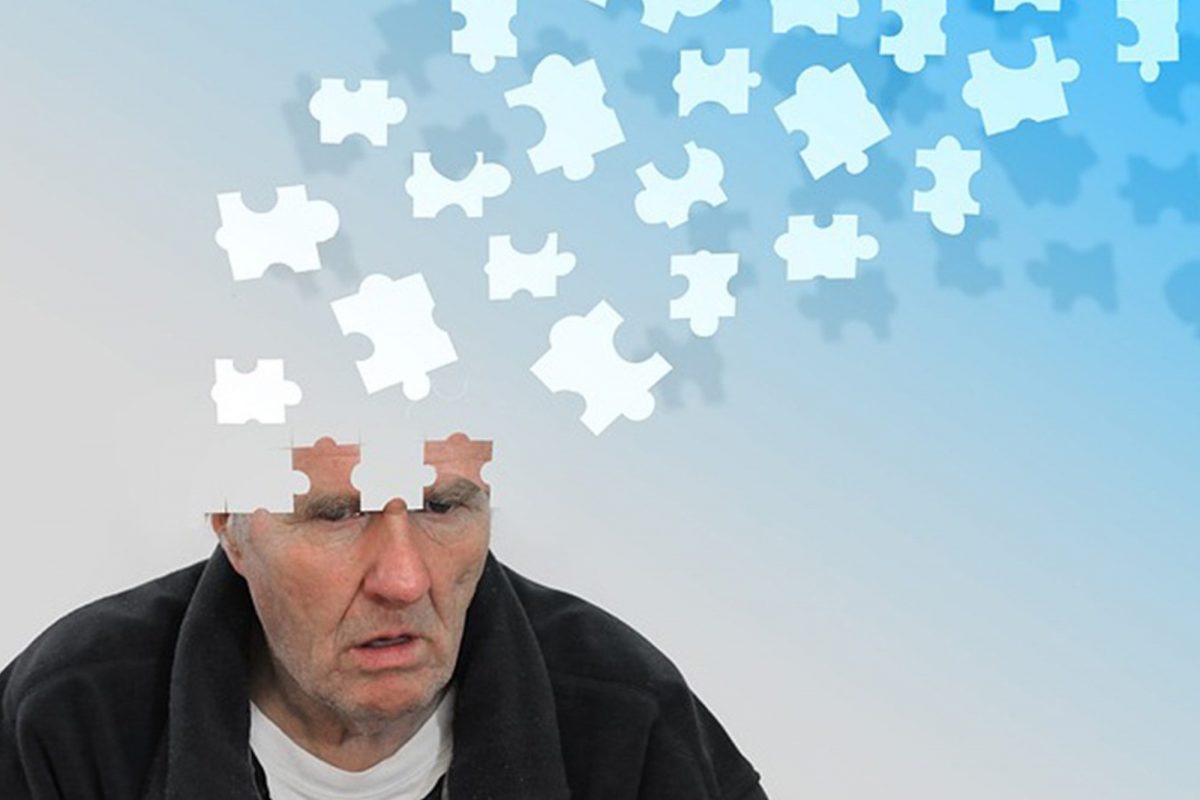
Forgetting a name, misplacing keys or occasionally struggling to remember something can happen to anyone. But when memory and thinking problems become frequent and start affecting everyday activities, they may need medical attention. One condition associated with progressive problems in memory, thinking and behaviour is Alzheimer’s disease.
Alzheimer’s disease is the most common form of dementia among older adults. It is a progressive brain disorder that gradually affects memory, reasoning, language and the ability to perform everyday activities. Although it is more common with increasing age, Alzheimer’s is not considered a normal part of ageing.
Knowing what is Alzheimer’s disease can help families recognise possible warning signs and seek appropriate medical evaluation. Early assessment is important because memory and thinking problems can also have other causes, some of which may be treatable.
What Is Alzheimer’s Disease?
Alzheimer’s disease is a progressive neurological condition that damages brain cells and their connections over time. It gradually affects areas of the brain responsible for memory, thinking, language, reasoning and behaviour.
Dementia is a broader term describing a decline in cognitive abilities severe enough to interfere with daily life. Alzheimer’s disease is one cause of dementia, but not every person with dementia has Alzheimer’s disease. Other types include vascular dementia, Lewy body dementia and frontotemporal dementia. Some people can also have more than one type of dementia, known as mixed dementia.
In Alzheimer’s disease, abnormal proteins called amyloid and tau are associated with changes in the brain. Amyloid plaques can build up between nerve cells, while tau tangles can develop inside neurons. These changes are associated with loss of connections between brain cells and eventually the death of neurons.
What Happens to the Brain in Alzheimer’s Disease?
Alzheimer’s disease does not affect the entire brain in exactly the same way from the beginning.
The areas involved in forming new memories are often affected early. As the disease progresses, other parts of the brain involved in language, reasoning, judgement and behaviour can become affected. This can explain why someone may initially have difficulty remembering recent conversations but later struggle with tasks such as managing money, cooking, recognising familiar people or communicating.
The progression varies from person to person. Some people experience changes relatively slowly, while others may develop more significant difficulties over a shorter period.
Alzheimer’s Disease Symptoms
The Alzheimer’s disease symptoms can differ between individuals and may become more noticeable as the condition progresses. Memory problems are often among the earliest signs, but Alzheimer’s can also affect language, judgement, problem-solving and everyday abilities.
Common symptoms may include:
1. Memory Loss
A person may repeatedly forget recently learned information, conversations, appointments or events. They may ask the same question several times.
2. Difficulty Finding Words
Someone may struggle to find familiar words or follow a conversation. Over time, communication difficulties may become more noticeable.
3. Problems With Planning and Problem-Solving
Managing finances, following a recipe, paying bills or completing familiar tasks may become difficult.
4. Difficulty With Familiar Activities
A person may have trouble completing activities they previously handled easily, such as cooking, driving or using household appliances.
5. Getting Lost or Becoming Confused About Places
Someone may become disoriented in familiar surroundings or have difficulty understanding where they are.
6. Misplacing Things
Objects may be placed in unusual locations, and the person may have difficulty retracing their steps to find them.
7. Changes in Judgement
Poor decision-making or unusual choices may become more noticeable.
8. Changes in Mood or Behaviour
An individual may become more anxious, restless, suspicious, withdrawn or irritable.
9. Difficulty Understanding Visual or Spatial Information
Problems with judging distance, recognising objects or navigating spaces can sometimes occur.
10. Increasing Difficulty With Daily Activities
As the disease progresses, activities such as dressing, eating, bathing and communicating may become increasingly difficult.
Normal Ageing vs Possible Alzheimer’s Symptoms
Not every memory lapse means that a person has Alzheimer’s disease.
| Normal age-related change | Possible warning sign |
|---|---|
| Occasionally forgetting a name but remembering it later | Frequently forgetting names or information and not remembering it later |
| Occasionally misplacing keys | Frequently putting objects in unusual places and being unable to retrace steps |
| Needing occasional help with technology | Being unable to complete familiar everyday tasks |
| Sometimes forgetting an appointment | Repeatedly missing appointments despite reminders |
| Making an occasional poor decision | Increasingly poor judgement that affects daily life |
| Occasionally losing track of a conversation | Frequently struggling to follow or participate in conversations |
These differences are not a diagnosis. Persistent or worsening changes should be discussed with a doctor because several conditions can cause memory or thinking problems.
Types of Alzheimer’s Disease
When discussing the types of Alzheimer’s disease, doctors may classify the condition based on when symptoms begin and certain clinical features.
Early-Onset Alzheimer’s Disease
Early-onset Alzheimer’s refers to cases in which symptoms develop before age 65. It is less common than Alzheimer’s that develops later in life.
Some early-onset cases can have a strong genetic component, particularly when rare disease-causing changes occur in specific genes. However, not every person with early-onset disease has a family history.
Late-Onset Alzheimer’s Disease
Late-onset Alzheimer’s is the more common form and generally begins after age 65. Age is the strongest known risk factor, although ageing alone does not mean a person will develop the disease.
Familial Alzheimer’s Disease
A small proportion of Alzheimer’s cases are associated with rare inherited genetic changes. Variants in genes such as APP, PSEN1 and PSEN2 can cause certain forms of familial early-onset Alzheimer’s disease.
Having a family member with Alzheimer’s does not automatically mean that someone will develop the disease. Most cases involve a combination of genetic, health, environmental and lifestyle factors rather than one inherited gene mutation.
Stages of Alzheimer’s Disease
Doctors commonly describe Alzheimer’s as mild, moderate or severe based on how much the condition affects a person’s daily functioning.
| Stage | Common changes |
|---|---|
| Mild | Memory problems, repeated questions, difficulty managing finances or completing complex tasks |
| Moderate | Greater confusion, difficulty recognising people, language problems and increased need for assistance |
| Severe | Significant communication problems and dependence on others for daily care |
These stages are broad descriptions. The symptoms and rate of progression can vary significantly between individuals.
What Causes Alzheimer’s Disease?
There is no single cause of Alzheimer’s disease in most people. Researchers believe that a combination of age-related brain changes, genetics, health conditions, environmental influences and lifestyle factors may contribute to the development and progression of the disease.
Some important factors being studied include:
Age
Age is the strongest known risk factor for Alzheimer’s disease. Most people who develop the condition are older adults, although younger people can also develop it.
Genetics
Genes can influence a person’s risk. The APOE ε4 variant is associated with increased risk, but having this variant does not mean that someone will definitely develop Alzheimer’s.
Cardiovascular and Metabolic Health
Conditions such as high blood pressure, heart disease, diabetes and obesity are being studied for their relationship with cognitive decline and Alzheimer’s risk.
Head Injury
A history of traumatic brain injury or concussion may be associated with an increased risk.
Lifestyle Factors
Researchers are studying physical inactivity, smoking, excessive alcohol use, poor sleep, social isolation and lack of mental stimulation in relation to cognitive health. These factors are important for overall health, although researchers cannot say that changing one factor alone will prevent Alzheimer’s disease.
How Is Alzheimer’s Disease Diagnosed?
There is no single test that can diagnose every case of Alzheimer’s disease.
A neurologist or other qualified healthcare professional may assess:
- Medical and family history
- Changes in memory and behaviour
- Ability to perform daily activities
- Memory and thinking abilities
- Neurological function
- Current medicines and other health conditions
Doctors may also recommend blood or other laboratory tests to identify other possible causes of cognitive symptoms. Brain imaging such as MRI, CT or PET scans may be used depending on the situation. In selected cases, cerebrospinal fluid or blood-based biomarkers may provide additional information.
This evaluation is important because memory problems can also occur because of conditions such as certain infections, medication side effects, sleep problems, depression, stroke or other neurological disorders. Some of these causes may be treatable.
Alzheimer’s Disease Treatment
Currently, there is no cure for Alzheimer’s disease. However, treatment can help manage symptoms, support daily functioning and, for some people in appropriate stages of disease, slow the progression of the underlying disease.
Treatment is usually personalised according to the person’s symptoms, stage, overall health and other medical conditions.
Medicines for Symptoms
Some medicines may temporarily improve or stabilise memory and thinking abilities in certain people. Other medicines may be used to manage specific behavioural or psychological symptoms when appropriate.
Disease-Modifying Treatments
Newer anti-amyloid medicines are designed to target amyloid plaques in the brain. Lecanemab and donanemab have received full FDA approval in the United States for certain people with early Alzheimer’s disease, and clinical studies have shown that these treatments can slow cognitive decline in eligible patients.
They are not cures and require careful assessment and monitoring because they can have significant risks and are not suitable for everyone.
Availability and treatment recommendations can differ by country and individual patient circumstances, so patients should discuss eligibility and risks with a specialist.
Non-Medicine Support
Treatment can also include:
- Physical activity appropriate to the person’s health
- Cognitive and mentally stimulating activities
- Maintaining social connections
- Good sleep habits
- Occupational therapy when appropriate
- Support for communication and daily activities
- Caregiver education and support
- Home safety planning
These approaches can help support quality of life even though they do not cure Alzheimer’s disease.
How Can Lifestyle Support Brain Health?
Lifestyle changes cannot guarantee prevention of Alzheimer’s disease. However, maintaining overall health may support brain and cardiovascular health.
Helpful habits may include:
Stay Physically Active
Regular physical activity supports cardiovascular health and overall wellbeing.
Manage Blood Pressure and Diabetes
Controlling conditions such as high blood pressure and diabetes is important for general health and may also be relevant to cognitive health.
Eat a Balanced Diet
A diet containing vegetables, fruits, whole grains, pulses, nuts, seeds and healthy sources of protein can support overall health.
Stay Socially Connected
Regular interaction with family, friends and community groups can help maintain social engagement.
Keep the Brain Active
Reading, learning new skills, puzzles, music and other mentally stimulating activities can be part of an active lifestyle.
Get Adequate Sleep
Good-quality sleep is important for overall physical and mental health.
These measures should be viewed as part of healthy ageing rather than guaranteed ways to prevent Alzheimer’s.
When Should You See a Neurologist?
Occasional forgetfulness is common. However, medical evaluation is advisable when memory or thinking changes are:
- Becoming more frequent
- Affecting work or daily activities
- Causing difficulty managing money or medicines
- Affecting communication
- Associated with getting lost in familiar places
- Accompanied by significant personality or behavioural changes
- Noticed by family members or close friends
Early assessment can help determine the cause of symptoms and provide an opportunity to plan appropriate care. An early diagnosis can also help families address future healthcare, safety, financial and caregiving needs.
Conclusion
Alzheimer’s disease is a progressive neurological condition that can gradually affect memory, thinking, communication, behaviour and daily functioning. If you or a family member is experiencing persistent memory or thinking changes, consulting the neurology team at Regency Hospitals, including a best neurologist in Gorakhpur, can help with appropriate evaluation and treatment planning.
Understanding what Alzheimer’s disease is important because not every memory problem is caused by Alzheimer’s. A detailed medical assessment can help identify whether symptoms are related to Alzheimer’s, another form of dementia or another potentially treatable condition.
Although there is currently no cure, treatment and supportive care can help manage symptoms and, for eligible people with early disease, newer therapies may slow the progression of cognitive decline. Regular medical follow-up, healthy lifestyle habits and appropriate caregiver support can also play an important role in managing the condition.
If memory or behavioural changes are interfering with everyday life, do not dismiss them as a normal part of aging. Speaking with a qualified healthcare professional can help determine the next appropriate step.
Frequently Asked Questions
1. What are the early symptoms of Alzheimer’s disease?
Early signs may include frequent memory loss, repeating questions, difficulty finding words, problems with planning or problem-solving, misplacing objects, getting confused about places and difficulty completing familiar activities. Symptoms vary from person to person.
2. What is the difference between Alzheimer’s disease and dementia?
Dementia is a broad term describing a decline in memory, thinking or other cognitive abilities that interferes with daily life. Alzheimer’s disease is the most common cause of dementia in older adults, but other diseases can also cause dementia.
3. What causes Alzheimer’s disease?
The exact cause is not fully understood. Research suggests that age-related brain changes, genetic factors and certain health, lifestyle and environmental factors may contribute to a person’s risk.
4. Can Alzheimer’s disease be cured?
There is currently no cure for Alzheimer’s disease. However, medicines can help manage symptoms, and some newer disease-modifying treatments can slow cognitive decline in certain people with early Alzheimer’s disease.
5. How is Alzheimer’s disease diagnosed?
Doctors may use medical history, information from family members, cognitive and neurological assessments, laboratory tests and brain imaging. In selected cases, blood or cerebrospinal-fluid biomarkers may also be considered.
Read More:
- Alzheimer’s Disease: Risk Factors and Prevention
- Could You Be at Risk for Alzheimer’s? Here’s What Experts Are Saying
- Alzheimer’s Disease: Causes, Symptoms, Stages and Treatment Options
- What is Alzheimer’s disease and its stages? – Regency Healthcare Ltd.