

 Call-an-Ambulance
Say Goodbye to Joint Pain: Top Tips for Relief and Prevention
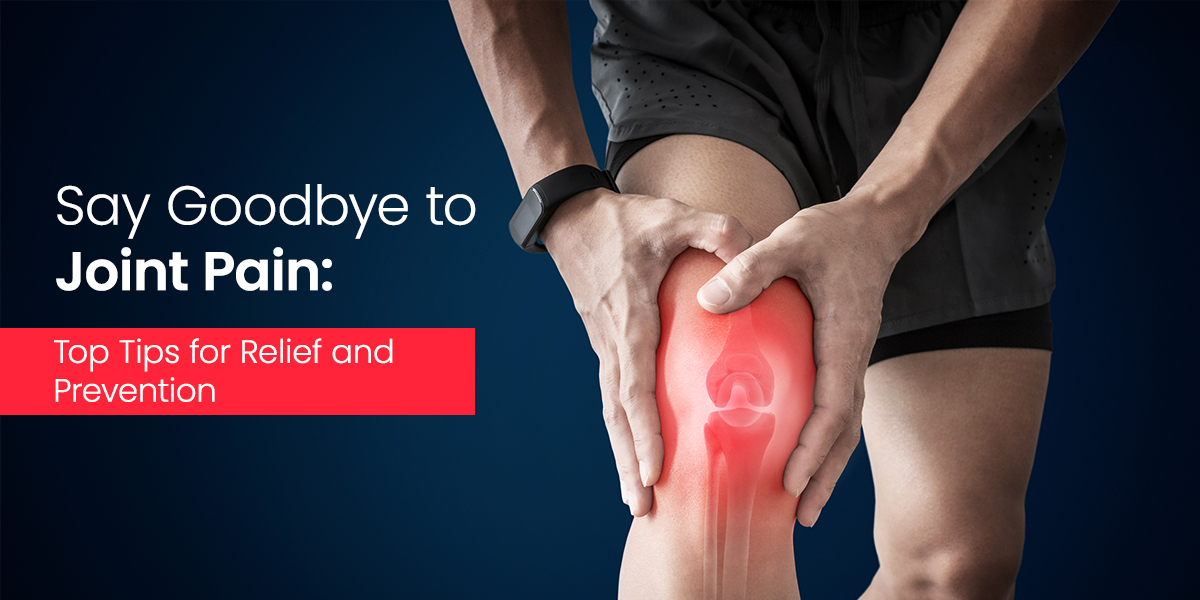
When you stand up after sitting for a while does your knees feel heavy? Or when you try to stretch your fingers, and they resist a little. Even climbing stairs suddenly feels like an effort.
At first, it seems minor. Maybe you slept wrong. Maybe it’s just age. Maybe you ignored it for too long. But joint pain has a way of creeping into everyday life. It quietly changes how you move, how you sit, how long you walk, even how confident you feel about simple things like getting up from a chair.
If this sounds familiar, you are not alone. Millions of people deal with joint pain every day. The good news is that most cases can be managed, improved, and even prevented with the right approach.
In this blog, we have addressed what really causes knee joint pain and what you can start doing today to feel better.
Understanding Joint Pain: What’s Really Happening Inside Your Body
Before talking about solutions, it helps to understand what joint pain causes actually look like. Your joints are where bones meet. They rely on cartilage, ligaments, muscles, and fluid to move smoothly. When any of these structures are irritated, inflamed, or damaged, pain begins to show up.
Sometimes it is mild stiffness. Other times, it becomes sharp discomfort when moving. Here are some of the most common joint pain reasons doctors see:
| Common Joint Pain Cause | What It Means | Who It Usually Affects |
|---|---|---|
| Arthritis | Inflammation of the joints that causes stiffness and swelling | Older adults but can affect younger people |
| Injury or trauma | Sprains, ligament damage, or fractures | Athletes, active individuals |
| Overuse | Repetitive stress on joints from work or exercise | Office workers, labour jobs |
| Cartilage wear | Protective cartilage slowly breaks down | Age-related cases |
| Autoimmune conditions | Immune system attacks joint tissues | Rheumatoid arthritis patients |
The key thing to understand is this. Pain is rarely random. It is usually your body asking for attention. Ignoring it often makes things worse.
Why Knee Joint Pain Is So Common Today
Among all types of joint problems, knee joint pain probably tops the list. Think about it. Your knees carry your entire body weight. They absorb impact every time you walk, run, jump, or even climb stairs.
Now add modern lifestyle habits to the mix. Long hours of sitting. Minimal physical activity, weight gain, poor posture take a toll on the knees. Here are some everyday triggers behind knee joint pain:
| Trigger | How It Affects the Knee |
|---|---|
| Sitting for long hours | Weakens muscles supporting the knee |
| Excess body weight | Increases pressure on knee joints |
| Lack of exercise | Reduces flexibility and joint strength |
| Sports injuries | Damages ligaments or cartilage |
| Poor footwear | Alters walking posture |
Early Signs of Joint Pain People Usually Ignore
One of the biggest mistakes people make is waiting too long. Joint problems rarely appear overnight. They usually start with small warning signals. See if any of these sound familiar.
| Early Symptoms | What It May Indicate |
|---|---|
| Morning stiffness | Early inflammation in joints |
| Clicking or popping sounds | Cartilage wear or ligament movement |
| Mild swelling | Fluid buildup or inflammation |
| Pain after activity | Overuse or muscle imbalance |
| Reduced flexibility | Tight muscles around the joint |
If these signs show up regularly, your body might already be dealing with underlying joint stress. Listening early can prevent bigger issues later.
Simple Lifestyle Changes That Reduce Joint Pain
Here’s something many people find surprising. Not every joint pain treatment begins with medication. In fact, doctors often start with lifestyle adjustments. Small changes can dramatically reduce joint stress and improve mobility. Let’s look at a few practical ones:
1. Maintain a healthy body weight
Every extra kilogram adds pressure on your joints, especially knees and hips. Even small weight loss can reduce strain significantly.
2. Stay gently active
Complete rest is not always the answer. Movement keeps joints lubricated and flexible. Activities like walking, swimming, and stretching help.
3. Improve posture
Poor posture while sitting or standing can shift pressure to joints incorrectly. Ergonomic adjustments in daily life matter more than people think.
4. Eat foods that support joint health
Certain nutrients help reduce inflammation and support cartilage repair.
| Nutrient | Why It Matters | Food Sources |
|---|---|---|
| Vitamin D | Supports bone strength and joint function | Sunlight, dairy products |
| Omega-3 Fatty Acids | Helps reduce inflammation in joints | Fatty fish, flaxseeds |
| Calcium | Strengthens bones and supports joint structure | Milk, leafy greens |
| Vitamin C | Aids collagen production for cartilage health | Citrus fruits, berries |
| Vitamin B12 | Supports nerve health and muscle strength | Green leafy vegetables, legumes |
The goal is simple. Support the body so joints can heal and function better.
Exercises That Help Joints Stay Strong
Movement is medicine for joints. But the right kind of movement. Low impact exercises are often recommended because they strengthen muscles without overloading the joints.
| Exercise | Benefits |
|---|---|
| Walking | Improves circulation and mobility |
| Swimming | Reduces joint pressure while strengthening muscles |
| Cycling | Supports knee movement and endurance |
| Stretching | Improves flexibility and reduces stiffness |
Consistency matters more than intensity. Even 20 to 30 minutes daily can help maintain joint function.
When Joint Pain Needs Medical Attention
Sometimes lifestyle adjustments are not enough. Persistent or worsening pain may require medical evaluation. You should consider seeing a specialist if:
- Pain lasts for more than a few weeks
- Swelling keeps returning
- Joint movement becomes restricted
- Pain affects sleep or daily activities
- There is sudden severe discomfort after an injury
Early diagnosis makes treatment easier and recovery faster.
Modern Joint Pain Treatment Options
Medical science has advanced significantly when it comes to managing joint problems. Treatment is no longer limited to painkillers or surgery. Many modern options aim to restore joint function while minimizing downtime.
| Treatment Type | Purpose |
|---|---|
| Physiotherapy | Strengthens muscles supporting joints |
| Anti-inflammatory medication | Reduces swelling and pain |
| Joint injections | Improves lubrication and reduces inflammation |
| Arthroscopy | Minimally invasive joint repair |
| Joint replacement | Used in severe joint damage cases |
The right treatment depends on the underlying joint pain reason, the patient’s age, and the severity of the condition.
Final Thoughts
Living with joint pain can slowly affect confidence, independence, and overall quality of life. Understanding joint pain causes, staying active, eating well, and seeking the right joint pain treatment when needed can make a huge difference.
And if the pain persists or begins interfering with daily life, consulting specialists at Regency Hospitals, known for having some of the best ortho doctor in Lucknow, can help you find the right path toward recovery.
Your joints support you every single day. Taking care of them is one of the best investments you can make in your health!
Frequently Asked Questions (FAQs)
What is the cause of joint pain?
The joint pain can occur because of various factors like inflammation, injuries, arthritis, overuse, and even ageing. In some cases, the joint pain can even be caused by infections.
How do you relieve joint pain?
The joint pain can be relieved by resting the affected joint, stretching the joint, and even applying warm compresses. It is also important to ensure that you have a healthy weight and stay active.
What causes joint pain and body weakness?
The joint pain and weakness in the body occur because of various factors like infections, arthritis, fibromyalgia, and even vitamin deficiencies. It can even occur due to lack of proper nutrition and because of fatigue.
Is walking good for joint pain?
Yes, walking can be beneficial for joint pain when done at a comfortable pace. It helps improve joint mobility, strengthens the muscles around the joints, and boosts circulation, which can reduce stiffness over time.
What vitamin deficiency causes joint pain?
The joint pain is caused by the deficiency of various vitamins like vitamin D, vitamin B12, and even vitamin C.
Read More:
- What Are The Functions Of Your Spine?
- What is spondylosis and how we can fight this condition?
- Spinal Fusion Surgery: Procedure, Benefits & Cost
- Arthritis: Symptoms, Causes, Types, Treatment & Prevention