

 Call-an-Ambulance
Diverticulitis: Why It Happens, How It Feels & Ways to Reduce It
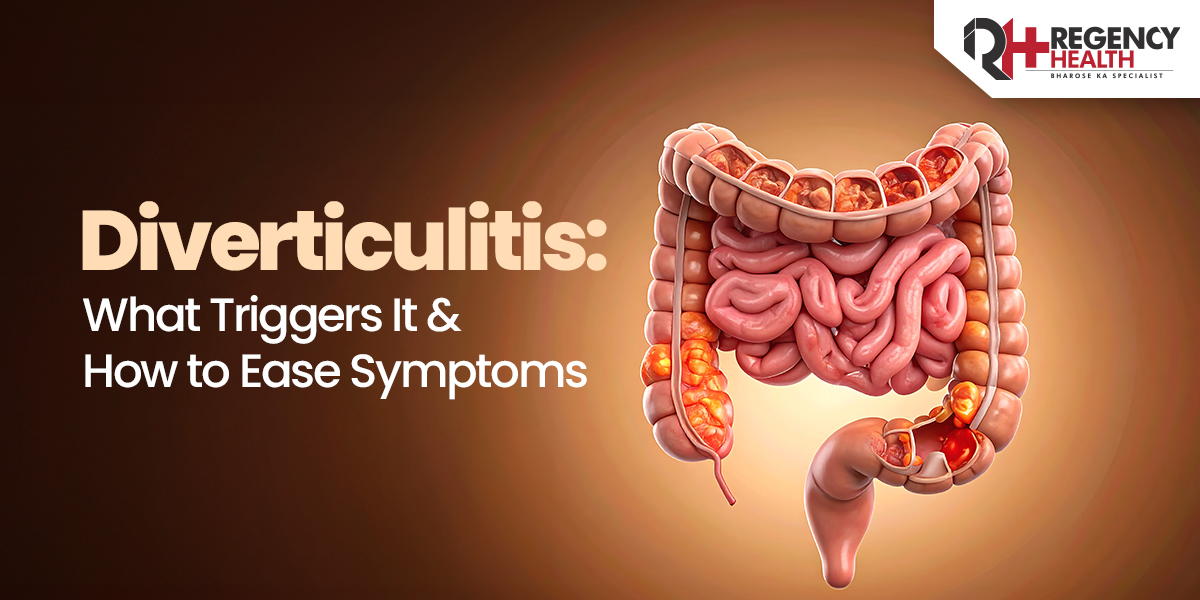
Digestive health issues are often overlooked until they start affecting everyday life. One such condition involves the inflammation of small pouches in the large intestine, which can lead to discomfort, pain, and changes in digestion. While many people may have these pouches without any symptoms, problems arise when they become inflamed or infected.
Having a basic understanding of the condition, recognizing early warning signs, and being aware of available treatment options can help manage symptoms effectively and lower the risk of complications. Early attention and proper care play an important role in maintaining long-term digestive health.
What Is Diverticulitis?
To understand this condition, it helps to first know about diverticulosis. Diverticulosis occurs when small, bulging pouches develop along the walls of the colon, usually due to increased pressure inside the bowel. These pouches are common with aging and often do not cause any noticeable problems.
The condition develops when one or more of these pouches become inflamed or infected. This inflammation can lead to abdominal pain, changes in digestion, and sometimes infection-related symptoms such as fever or nausea.
Which Organ Does Diverticulitis Affect?
Diverticulitis mainly affects the large intestine, particularly the lower portion known as the sigmoid colon. This section of the bowel experiences higher pressure during bowel movements, making it more prone to pouch formation and inflammation.
What are the Causes of Diverticular Disease?
Common contributing factors include:
- Low intake of dietary fiber
- Chronic constipation
- Aging (especially after 40 years)
- Physical inactivity
- Long-term use of certain medications like painkillers
Over time, these factors increase pressure inside the colon, weakening its walls and allowing diverticula to form. When stool or bacteria become trapped inside these pouches, inflammation and infection can occur.
Diverticulitis Symptoms
Diverticulitis symptoms can develop gradually or appear suddenly and may vary from person to person. Abdominal pain is often the first and most noticeable sign. Unlike mild digestive discomfort, these symptoms may not resolve on their own and can worsen without treatment. Common symptoms include:
- Persistent pain in the lower left side of the abdomen
- Abdominal tenderness
- Fever or chills
- Nausea or vomiting
- Bloating
- Constipation or occasional diarrhea
- Reduced appetite
How These Symptoms Usually Feel
| Symptoms | Typical Experience |
|---|---|
| Abdominal pain | Constant pain, often on the lower left side |
| Fever | May indicate infection |
| Digestive changes | Constipation or diarrhea |
| Bloating | Feeling of fullness or pressure in the abdomen |
If these symptoms last more than a few days, medical evaluation is strongly advised.
What Are the Four Stages of Diverticulitis?
Doctors classify diverticulitis based on how severe the inflammation or infection is.
| Stage | Description |
|---|---|
| Stage 1 | Mild inflammation |
| Stage 2 | Inflammation with a localized abscess |
| Stage 3 | Bowel perforation with localized infection |
| Stage 4 | Widespread infection in the abdominal cavity |
Early-stage diverticulitis responds well to treatment, which is why early diagnosis is crucial.
How Is Diverticulitis Diagnosed?
Diagnosis is based on a combination of:
- Medical history and symptom evaluation
- Physical examination
- Blood tests to check for infection
- CT scan of the abdomen (most accurate test)
Early and accurate diagnosis helps doctors choose the safest and most effective diverticulitis treatment.
Diverticulitis Treatment Options
The choice of diverticulitis treatment depends on whether the condition is mild, severe, or recurring.
Treatment for Mild Diverticulitis
Mild cases are often treated with:
- Rest
- Temporary liquid or soft diet
- Gradual return to fiber-rich foods
- Antibiotics if a bacterial infection is suspected
Treatment for Moderate to Severe Cases
More severe cases may require:
- Hospitalization
- Intravenous fluids
- Stronger medications
- Surgical intervention in rare or complicated cases
Surgery is usually considered only when there are repeated attacks or complications such as abscesses or bowel obstruction.
Patients experiencing recurrent episodes should consult an experienced gastro surgeon in Lucknow to discuss long-term management options.
Is Diverticulitis Curable?
Diverticulitis is not permanently curable, but it is very manageable. While the pouches in the colon may remain, inflammation can be treated and future attacks significantly reduced with proper care.
Most people recover fully from mild episodes and lead normal, active lives by following medical advice and making lifestyle adjustments.
How Long Can People Live With Diverticulitis?
With proper treatment and preventive care, people with diverticulitis can live a normal lifespan. Outcomes largely depend on how well flare-ups are managed, how early treatment is started, and whether lifestyle changes are followed consistently.
Ways to Reduce Diverticulitis Flare-Ups
Preventing future episodes is a key part of managing diverticulitis:
- Eat a high-fiber diet with fruits, vegetables, and whole grains
- Drink adequate water throughout the day
- Exercise regularly to support bowel movement
- Avoid smoking
- Treat constipation early
These steps help lower pressure inside the colon and reduce inflammation.
Conclusion
Diverticulitis can be effectively managed when identified early and treated with the right medical approach. Recognizing warning signs and seeking timely care can help prevent complications and improve overall comfort. If symptoms persist, return frequently, or begin to interfere with daily activities, consulting a gastro surgeon in Lucknow at Regency Hospitals is important for accurate diagnosis, personalized treatment, and ongoing support to maintain long-term digestive health and overall well-being.
Frequently Asked Questions (FAQs)
Is diverticulitis curable?
Diverticulitis is not permanently curable, but it can be well controlled with proper treatment and long-term lifestyle changes.
What are the causes of diverticular disease?
Common causes include low fiber intake, aging, chronic constipation, obesity, and a lack of physical activity.
What are the four stages of diverticulitis?
The stages range from mild inflammation to more serious conditions such as abscess formation, bowel obstruction, or perforation.
Which organ does diverticulitis affect?
Diverticulitis affects the large intestine, most commonly the sigmoid colon.
How long can people live with diverticulitis?
With proper medical care and lifestyle management, most people live a normal, healthy life.
Read More:
- Gallbladder Surgery Guide: Symptoms, Procedure & Recovery Tips
- How to Improve Digestive System Naturally
- Gut Health Matters: Signs, Benefits & Easy Fixes