

 Call-an-Ambulance
Tonsillitis: Causes, Symptoms, and Treatment Options
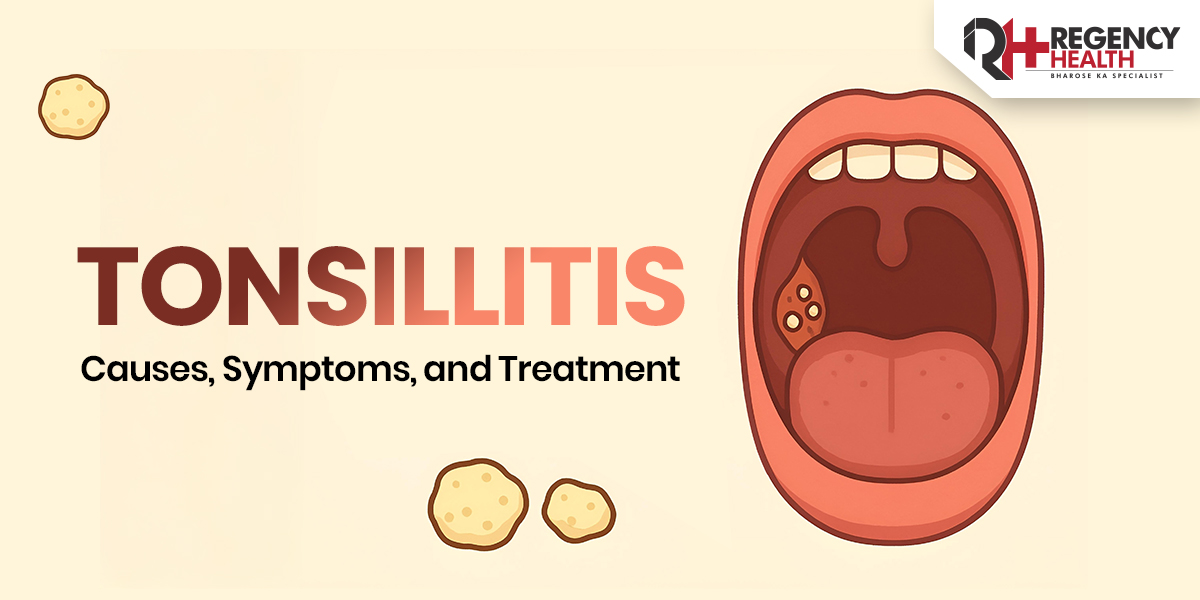
Throat infections are common, especially during seasonal changes, but when sore throat, fever, and difficulty swallowing become frequent or severe, tonsillitis may be the underlying cause. Tonsillitis affects both children and adults and can significantly disrupt daily life if not treated properly.
This blog explains what is tonsillitis, its causes, common symptoms, diagnosis, treatment options, and prevention tips helping you understand when to manage it at home and when to seek medical care.
What Is Tonsillitis?
To understand what is tonsillitis, it is important to first know about tonsils. Tonsils are two soft, oval-shaped tissues located at the back of the throat. They play a role in the immune system by helping the body fight infections.
Tonsillitis occurs when these tonsils become inflamed or infected due to bacteria or viruses. While tonsils are meant to protect us, repeated infections can weaken their function and cause discomfort.
Tonsillitis can be:
- Acute (short-term)
- Chronic (long-lasting)
- Recurrent (repeated episodes)
Types of Tonsillitis
| Type of Tonsillitis | Description |
|---|---|
| Acute Tonsillitis | Sudden infection lasting 7–10 days |
| Chronic Tonsillitis | Persistent symptoms for weeks |
| Recurrent Tonsillitis | Multiple episodes in a year |
| Bacterial Tonsillitis | Often caused by Streptococcus bacteria |
| Viral Tonsillitis | Caused by common viruses like cold or flu |
Tonsillitis Causes
Understanding tonsillitis causes helps in choosing the right treatment and preventing recurrence.
Common Causes:
- Viral infections (cold, flu, Epstein-Barr virus)
- Bacterial infections (especially streptococcal bacteria)
- Weak immune system
- Exposure to infected individuals
- Poor oral hygiene
- Pollution and smoking
- Seasonal weather changes
Both viral and bacterial infections are major tonsillitis causes, but bacterial tonsillitis usually requires medical treatment.
Tonsillitis Symptoms
Recognizing tonsillitis symptoms early allows for quicker recovery and fewer complications.
Common Symptoms Include:
- Severe sore throat
- Pain while swallowing
- Red, swollen tonsils
- White or yellow patches on tonsils
- Fever and chills
- Bad breath
- Ear pain
- Swollen lymph nodes in the neck
- Fatigue and headache
In children, tonsillitis symptoms may also include irritability, drooling, and refusal to eat.
How Tonsillitis Is Diagnosed
Doctors diagnose tonsillitis through:
- Physical throat examination
- Reviewing medical history
- Throat swab test (for bacterial infection)
- Blood tests (if complications are suspected)
Accurate diagnosis is essential to determine the most effective tonsillitis treatment.
Tonsillitis Treatment Options
The choice of tonsillitis treatment depends on the cause and severity of the condition.
1. Medical Treatment
- Antibiotics (only for bacterial tonsillitis)
- Pain relievers and fever reducers
- Anti-inflammatory medicines
2. Home Care Measures
- Warm saltwater gargles
- Adequate hydration
- Rest and sleep
- Warm fluids like soups and herbal teas
- Humidifiers to soothe the throat
3. Surgical Treatment (Tonsillectomy)
Surgery may be recommended if:
- Tonsillitis occurs more than 5–6 times a year
- Symptoms are severe or long-lasting
- Breathing or swallowing is affected
A doctor will evaluate whether surgery is necessary as part of long-term tonsillitis treatment.
Tonsillitis in Children vs Adults
| Factor | Children | Adults |
|---|---|---|
| Frequency | More common | Less frequent |
| Recovery | Faster | Slower |
| Risk of Recurrence | Higher | Moderate |
| Surgery Consideration | Common | Case-dependent |
Complications of Untreated Tonsillitis
Ignoring symptoms can lead to:
- Peritonsillar abscess
- Difficulty breathing
- Chronic throat infections
- Ear infections
- Rheumatic fever (rare but serious)
Prompt diagnosis and proper tonsillitis treatment help prevent these risks.
Prevention Tips for Tonsillitis
- Wash hands frequently
- Avoid sharing food or utensils
- Maintain good oral hygiene
- Avoid smoking and second-hand smoke
- Strengthen immunity with a healthy diet
- Seek early treatment for throat infections
When to See a Doctor
You should consult a healthcare professional if:
- Symptoms last more than 3 days
- High fever persists
- Difficulty breathing or swallowing
- Repeated tonsillitis episodes
For advanced diagnosis and comprehensive care, many patients trust Regency Hospitals, widely regarded as the best hospital in Gorakhpur, for expert ENT consultation and patient-focused treatment.
Conclusion
Tonsillitis, though common, should never be ignored especially when symptoms persist or keep returning. Early identification, timely treatment, and proper care can make a significant difference in recovery and help prevent unnecessary discomfort or complications.
With the right medical guidance, good hygiene practices, and appropriate follow-up care, most individuals recover fully and maintain long-term throat health. Seeking care from a trusted healthcare facility ensures accurate evaluation, effective treatment, and lasting relief, allowing patients to return to their daily lives with confidence and comfort.
Frequently Asked Questions (FAQs)
Can tonsillitis go away on its own?
Yes, viral tonsillitis often resolves with rest and home care, but bacterial tonsillitis needs medical treatment.
Is tonsillitis contagious?
Yes, tonsillitis caused by viruses or bacteria can spread through close contact.
How long does tonsillitis last?
Acute tonsillitis usually lasts 7–10 days with proper care.
Can adults get tonsillitis frequently?
Yes, recurrent tonsillitis can occur in adults, especially with low immunity or exposure to infections.
Is tonsil removal safe?
Yes, tonsillectomy is a common and safe procedure when recommended by a doctor.
Read More:
- 10 Foods that Cause Kidney Stones
- Kidney Stones: Causes, Symptoms, and Treatment Options
- What Are Gallstones? Causes, Symptoms, and Treatment
- Top 10 Foods for Kidney Health: Best Nutrient-Rich Picks