

 Call-an-Ambulance
Top 10 Foods for Kidney Health
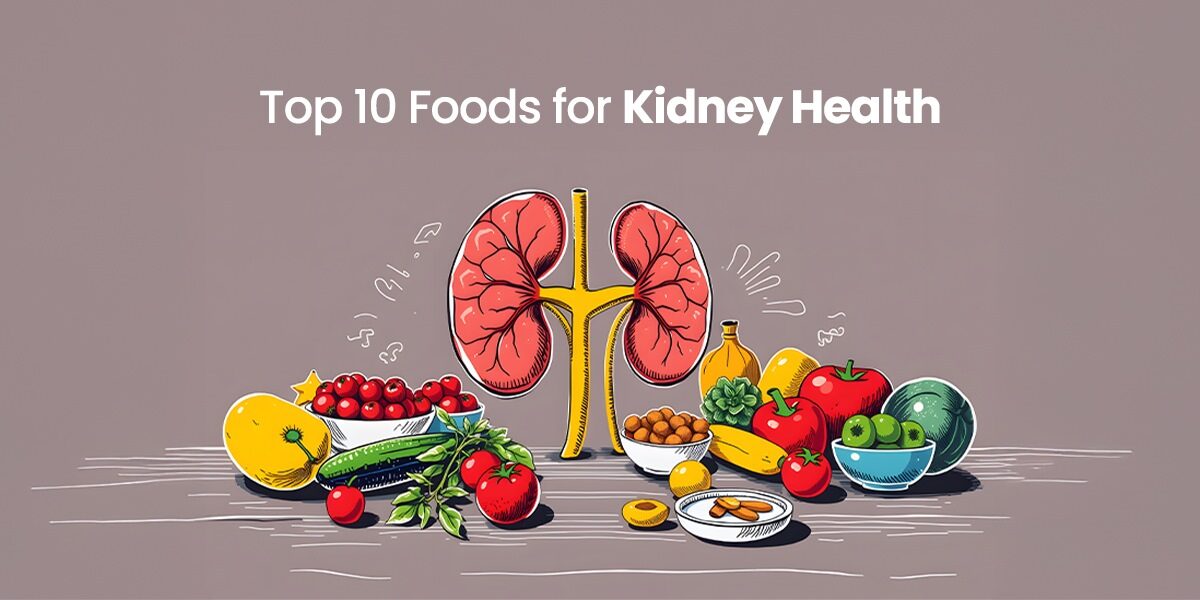
Your kidneys quietly perform one of the most important jobs in your body. Every day, they filter waste products, remove excess fluids, balance minerals, regulate blood pressure, and help maintain overall health. While these organs work continuously behind the scenes, their well-being is often overlooked until problems arise.
The good news is that your daily food choices can play a significant role in supporting kidney function. Although no single ingredient can prevent kidney disease, eating a balanced diet rich in nutrient-dense foods can reduce the burden on your kidneys and support long-term health.
In this guide, we’ll explore the top 10 foods for kidney health, understand why nutrition matters, and learn how simple dietary choices can contribute to healthier kidneys.
Top 10 Foods for Kidney Health
Here are some of the best options to include in your diet.
1. Blueberries
Blueberries are often considered among the best foods for kidney health because they are packed with antioxidants called anthocyanins. These natural compounds help protect cells from oxidative stress, which is linked to many chronic diseases.
Blueberries are also naturally low in sodium, making them an excellent snack or breakfast addition. Whether eaten fresh, frozen, or blended into smoothies, they provide fibre, vitamins, and natural sweetness without adding excess sugar.
2. Apples
An apple a day may not be a cure-all, but it certainly supports a healthy lifestyle. Apples contain dietary fibre, particularly pectin, which supports digestion and may help maintain healthy blood sugar and cholesterol levels.
Since diabetes and heart disease are major risk factors for kidney disease, including apples as part of a balanced diet can indirectly benefit kidney function. They’re also easy to carry as a healthy snack and can be added to salads, oatmeal, or yogurt.
3. Cauliflower
Cauliflower is a versatile vegetable that fits well into many healthy meal plans. It provides vitamin C, fibre, and plant-based compounds that support overall wellness.
Its mild flavour makes it a popular substitute for rice, mashed potatoes, and pizza crust, helping people enjoy nutritious meals while reducing refined carbohydrates. Roasted, steamed, or added to soups, cauliflower is an easy way to include more vegetables in your daily diet.
4. Red Bell Peppers
Brightly coloured and naturally sweet, red bell peppers are rich in vitamin C, vitamin A, and antioxidants. They add flavour, crunch, and colour to meals while providing valuable nutrients that support the body’s natural defence systems.
Red peppers are also naturally low in sodium, making them a healthier alternative to processed snacks. They can be enjoyed raw in salads, grilled, roasted, or added to stir-fries for a nutritious boost.
5. Garlic
Garlic is one of the easiest ingredients to include in a kidney-friendly diet. It enhances flavour naturally, allowing you to reduce the amount of salt used during cooking. Lower sodium intake is an important part of maintaining healthy blood pressure, which directly supports kidney health.
Garlic also contains natural plant compounds with antioxidant and anti-inflammatory properties. Whether used in curries, soups, roasted vegetables, or marinades, it adds both taste and nutritional value to everyday meals.
6. Cabbage
Cabbage is a nutrient-rich vegetable that deserves a place in a kidney-friendly diet. It contains fibre, vitamin C, vitamin K, and natural plant compounds that support overall health. Its versatility makes it easy to include in salads, stir-fries, soups, and cooked vegetable dishes.
Because cabbage is naturally low in calories and sodium, it can be a smart choice for people looking to maintain a healthy weight and support healthy blood pressure, both of which are important for kidney function.
7. Olive Oil
Olive oil is a heart-healthy fat that can also support kidney health as part of a balanced diet. Rich in monounsaturated fats and antioxidants, it may help reduce inflammation while providing a healthier alternative to saturated fats found in butter or processed foods.
Use olive oil for salad dressings, sautéing vegetables, or drizzling over cooked dishes to add flavour without relying on excessive salt or unhealthy fats.
8. Fatty Fish
Fatty fish such as salmon, sardines, and mackerel are excellent sources of omega-3 fatty acids. These healthy fats support heart health and may help reduce inflammation, which is beneficial because heart and kidney health are closely connected.
Aim to include fish in your meals once or twice a week as part of a balanced diet. Choose grilled, baked, or steamed preparations instead of deep-fried options to maximize the nutritional benefits.
9. Cranberries
Cranberries are well known for supporting urinary tract health. While they are not a treatment for kidney disease, they may help reduce the risk of certain urinary tract infections in some people. Since repeated urinary infections can sometimes affect kidney health, including cranberries as part of a healthy diet may be beneficial.
Fresh cranberries or unsweetened cranberry products are generally better choices than sugar-loaded juices.
10. Egg Whites
Egg whites provide high-quality protein while containing less phosphorus than whole eggs, making them a suitable protein source for many people who need to monitor their phosphorus intake under medical guidance.
Protein is essential for maintaining muscles and repairing body tissues, but people with kidney disease should always discuss the right amount of protein with their doctor or dietitian.
Foods to Limit for Better Kidney Health
Knowing what to limit is just as important as choosing the right foods. Regularly consuming highly processed foods can increase the risk of conditions that affect the kidneys.
Try to reduce your intake of:
- Processed meats such as sausages and bacon
- Packaged snacks high in salt
- Sugary beverages
- Instant noodles and processed ready-to-eat meals
- Fast food and deep-fried foods
- Foods containing excessive sodium or phosphate additives
These foods may contribute to high blood pressure, obesity, and diabetes, all of which can increase the risk of kidney disease over time.
Daily Habits That Support Kidney Health
| Healthy Habit | How It Benefits Your Kidneys |
|---|---|
| Stay physically active | Helps maintain healthy blood pressure and weight |
| Drink adequate water | Supports waste removal and hydration |
| Limit salt intake | Reduces strain on the kidneys |
| Avoid smoking | Improves blood flow to the kidneys |
| Manage blood sugar | Lowers the risk of diabetic kidney disease |
| Get regular health checkups | Helps detect kidney problems early |
When Should You See a Kidney Specialist?
While healthy eating supports kidney function, it cannot replace medical care if kidney disease is already present. You should consult a healthcare professional if you experience:
- Swelling in the feet, ankles, or face
- Blood or persistent foam in the urine
- Frequent urinary tract infections
- Kidney stones
- Uncontrolled diabetes or high blood pressure
- Abnormal kidney function test results
Early diagnosis can help prevent complications and improve treatment outcomes.
Comprehensive Kidney Care at Regency Hospitals
At Regency Hospitals, our nephrology specialists provide comprehensive care for a wide range of kidney conditions. From preventive screenings and early diagnosis to the management of chronic kidney disease, kidney stones, hypertension-related kidney problems, and dialysis support, our team focuses on delivering personalised, evidence-based treatment. Along with advanced diagnostic facilities, our specialists also guide patients on lifestyle modifications, nutrition, and long-term kidney care to help improve overall health and quality of life.
Patients looking for the best nephrologist in Gorakhpur can benefit from our experienced nephrology team, which is committed to delivering timely diagnosis, comprehensive treatment, and continuous support at every stage of kidney care.
Conclusion
Choosing the right foods every day is one of the simplest ways to support healthy kidneys. While there is no single superfood that guarantees protection, a balanced diet rich in fruits, vegetables, healthy fats, lean proteins, and whole grains can help maintain kidney function and reduce the risk of chronic disease.
Including these best foods for kidney health, limiting processed foods, staying physically active, and managing conditions such as diabetes and high blood pressure can make a meaningful difference over time. If you notice symptoms of kidney problems or have existing risk factors, seek medical advice early. Timely care and regular checkups can go a long way in protecting your kidney health.
FAQs
What foods help kidney repair?
There is no single food that can repair the kidneys, but a balanced diet with fruits, vegetables, whole grains, and healthy fats can support kidney function. People with kidney disease should follow a diet recommended by their doctor or dietitian.
What are good foods to eat for kidney problems?
Foods like blueberries, apples, cabbage, cauliflower, garlic, olive oil, and fatty fish are often included in kidney-friendly diets. The right diet depends on your individual kidney condition and stage of disease.
How can I make my kidneys strong?
Maintain a healthy diet, stay hydrated, exercise regularly, and manage conditions like diabetes and high blood pressure. Regular health checkups also help protect kidney function.
What food to avoid in kidney problems?
Limit processed foods, salty snacks, sugary drinks, processed meats, and foods high in sodium. Your doctor may also advise restricting potassium or phosphorus based on your kidney health.
Which fruit cleans the kidneys?
No fruit can “clean” the kidneys, as healthy kidneys naturally filter waste. Fruits like apples, blueberries, and cranberries can support overall kidney health as part of a balanced diet.
Read More:
- Kidney Failure: Causes, Symptoms, Diagnosis & Treatment
- Top 10 Foods for Kidney Health: Best Nutrient-Rich Picks
- Chronic Kidney Disease: Symptoms, Diagnosis and Treatment Options
- How to keep your kidneys healthy | Regency Healthcare Ltd.