

 Call-an-Ambulance
Kidney Stones: Symptoms, Causes, and Treatment Options Explained
Introduction
Kidney stones are one of the most common urinary tract conditions affecting millions of people worldwide. These hard mineral and salt deposits form inside the kidneys and can cause severe pain when they move through the urinary tract. While some stones pass naturally, others may require medical intervention. Understanding kidney stones symptoms, causes, risk factors, and available treatment options can help individuals seek timely care and prevent complications.
What Are Kidney Stones?
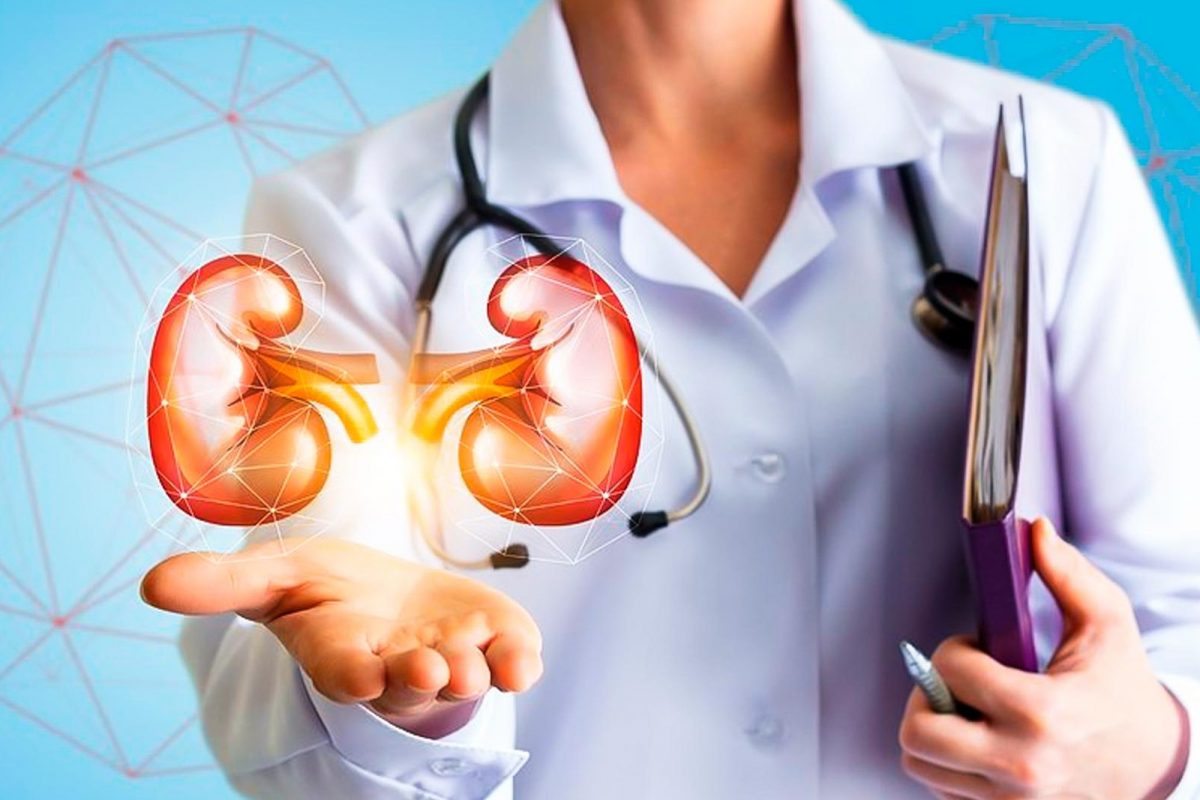
Kidney stones are hard deposits made of minerals and salts that develop inside the kidneys. They form when certain substances in urine, such as calcium, oxalate, and uric acid, become highly concentrated and crystallize.
The size of kidney stones can vary significantly. Some may be as small as a grain of sand, while others can grow large enough to block urine flow and cause intense discomfort.
Types of Kidney Stones
Different types of kidney stones develop due to different causes.
| Type of Kidney Stone | Main Cause |
|---|---|
| Calcium Stones | Excess calcium and oxalate in urine |
| Uric Acid Stones | High uric acid levels, dehydration |
| Struvite Stones | Urinary tract infections |
| Cystine Stones | Rare inherited genetic disorders |
Identifying the type of stone helps doctors recommend the most effective treatment and prevention strategies.
Kidney Stones Symptoms
Kidney stones may not cause symptoms until they begin moving within the kidney or enter the ureter. When this happens, symptoms can become severe.
Common Kidney Stones Symptoms
- Sharp pain in the back or side
- Pain radiating to the lower abdomen and groin
- Burning sensation during urination
- Frequent urge to urinate
- Blood in urine
- Cloudy or foul-smelling urine
- Nausea and vomiting
- Fever and chills if infection is present
Symptoms Based on Stone Location
| Location | Possible Symptoms |
|---|---|
| Kidney | Mild discomfort or no symptoms |
| Ureter | Severe flank pain |
| Bladder | Frequent urination and pelvic discomfort |
Causes of Kidney Stones
Understanding what causes kidney stones can help reduce the risk of developing them.
1. Dehydration
Not drinking enough water is one of the leading causes of kidney stones. Concentrated urine allows minerals to crystallize more easily.
2. High-Oxalate Diet
Foods rich in oxalates may increase the risk of calcium oxalate stones in susceptible individuals.
Examples include:
- Spinach
- Beetroot
- Nuts
- Chocolate
3. Excess Salt Intake
High sodium consumption increases calcium levels in urine, which may contribute to stone formation.
4. High Protein Diet
Excessive consumption of animal protein can increase uric acid production and stone risk.
5. Family History
Individuals with a family history of kidney stones may have a higher likelihood of developing them.
6. Certain Medical Conditions
Conditions associated with kidney stone formation include:
- Obesity
- Hyperparathyroidism
- Recurrent urinary tract infections
- Gout
- Inflammatory bowel disease
Risk Factors for Kidney Stones
Several factors can increase the likelihood of developing kidney stones.
Common Risk Factors
- Inadequate water intake
- Obesity
- Sedentary lifestyle
- Family history
- High-sodium diet
- Diabetes
- Certain medications
How Are Kidney Stones Diagnosed?
Doctors use various tests to confirm the presence of kidney stones and determine their size and location.
Diagnostic Tests
- Urine Tests: Urine analysis helps identify infection, blood, and excess stone-forming minerals.
- Blood Tests: Blood tests may reveal abnormalities in calcium, uric acid, and kidney function.
- Ultrasound: A safe and commonly used imaging test for detecting stones.
- CT Scan: Provides detailed images and is considered one of the most accurate diagnostic tools.
Kidney Stones Treatment
Kidney stones treatment depends on the size, location, and type of stone, as well as the severity of symptoms.
Treatment for Small Kidney Stones
Many small stones pass naturally with conservative management.
- Increased Fluid Intake: Drinking plenty of water helps flush stones through the urinary tract.
- Pain Management: Doctors may recommend pain-relieving medications to ease discomfort during stone passage.
- Medical Expulsive Therapy: Certain medications may help relax the urinary tract and facilitate stone passage.
- Treatment for Large Kidney Stones: Larger stones often require specialized procedures.
| Treatment Option | Purpose |
|---|---|
| Shock Wave Lithotripsy (SWL) | Breaks stones into smaller fragments |
| Ureteroscopy | Removes or breaks stones using a scope |
| Percutaneous Nephrolithotomy (PCNL) | Removes large kidney stones |
| Surgery | Reserved for complex cases |
Potential Complications of Untreated Kidney Stones
Ignoring symptoms can lead to serious complications.
Possible Complications
- Recurrent urinary tract infections
- Kidney damage
- Urinary obstruction
- Reduced kidney function
- Severe pain episodes
How to Prevent Kidney Stones
Many cases can be prevented through lifestyle and dietary changes.
Prevention Tips
- Drink Plenty of Water: Aim for adequate fluid intake throughout the day unless otherwise advised by your doctor.
- Reduce Salt Consumption: Lower sodium intake may reduce calcium buildup in urine.
- Maintain a Healthy Weight: Obesity has been linked to increased kidney stone risk.
- Follow a Balanced Diet: Include fruits, vegetables, and appropriate calcium intake.
- Limit Excess Animal Protein: Moderating protein intake may reduce the risk of certain stone types.
Foods That May Help Prevent Kidney Stones
| Recommended Foods | Benefits |
|---|---|
| Citrus fruits | May help prevent stone formation |
| Fruits and vegetables | Support overall kidney health |
| Adequate dietary calcium | Helps reduce oxalate absorption |
| Whole grains | Promote balanced nutrition |
When Should You See a Doctor?
Seek immediate medical attention if you experience:
- Severe pain that does not improve
- Fever and chills
- Persistent vomiting
- Difficulty passing urine
- Blood in urine
Prompt evaluation can prevent complications and ensure timely treatment.
Conclusion
Kidney stones are a common but potentially painful condition that can affect people of all ages. Recognizing kidney stones symptoms early and understanding the causes can help individuals seek appropriate medical care before complications develop. Fortunately, modern kidney stones treatment options range from simple hydration and medications to advanced minimally invasive procedures.
Maintaining proper hydration, following a balanced diet, and addressing risk factors can significantly reduce the likelihood of future stone formation. If you experience symptoms suggestive of kidney stones, consult a healthcare professional for timely diagnosis and treatment. For expert urological care and advanced treatment options, many patients trust Regency Hospitals and its experienced team, including leading urologist in Gorakhpur.
FAQs
What are the first signs of kidney stones?
Early signs often include back or side pain, discomfort during urination, and blood in the urine.
Can kidney stones go away on their own?
Small kidney stones may pass naturally with adequate hydration and medical guidance.
What causes kidney stones to form?
Kidney stones develop when minerals and salts in urine become concentrated and crystallize.
Which treatment is best for kidney stones?
The best treatment depends on the stone’s size, location, and type. Options range from medications to minimally invasive procedures.
How can I prevent kidney stones from recurring?
Staying hydrated, reducing salt intake, maintaining a healthy weight, and following dietary recommendations can help prevent recurrence.
Read More:
- 10 Foods that Cause Kidney Stones
- How Kidney Stones Occur: Know its cause, prevention strategy and new innovations in treatment – Regency Healthcare Ltd.
- How to keep your kidneys healthy | Regency Healthcare Ltd.
- Top 10 Foods for Kidney Health: Best Nutrient-Rich Picks