

 Call-an-Ambulance
Why Do Pimples Appear on the Face? Causes, Hormonal Changes, and Prevention Tips
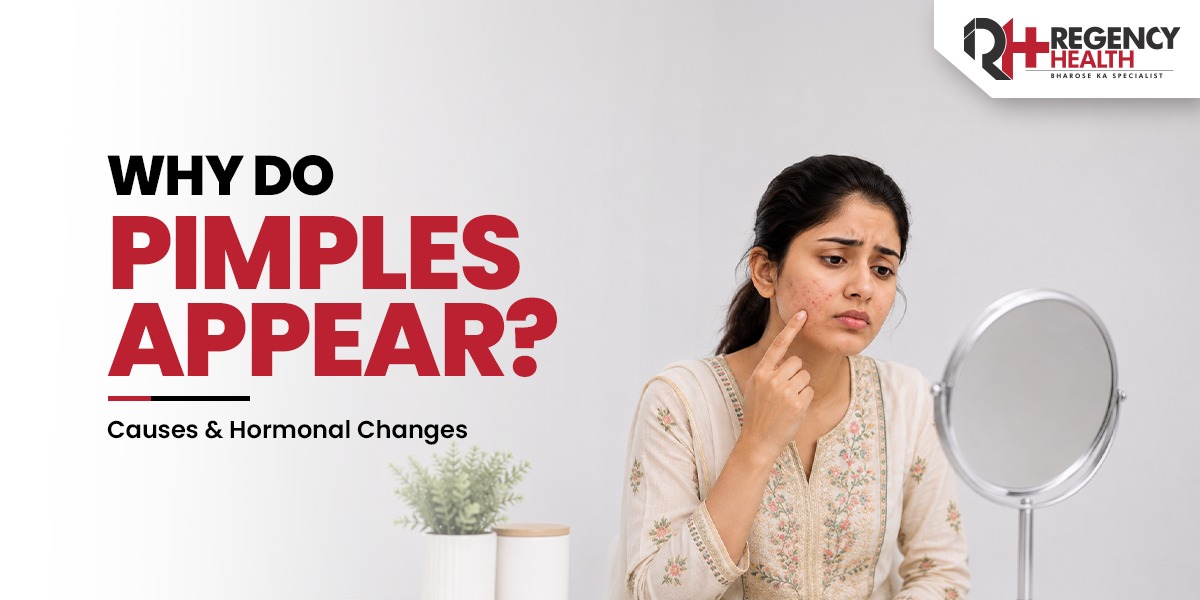
Pimples are one of the most common skin concerns affecting people of all ages. Although they are often associated with teenagers, adults can also experience frequent breakouts. Pimples may appear occasionally or develop into persistent acne that requires medical treatment.
Many people believe that pimples on face occur because of poor hygiene. However, this is only one of many factors. Hormonal changes, excess oil production, clogged pores, bacteria, genetics, stress, diet, and certain skincare habits all play a role in causing pimples.
While most pimples are harmless, repeated breakouts can affect confidence and may leave permanent scars if left untreated. Understanding pimples on face reason can help you choose the right skincare routine and know when professional treatment is needed.
In this article, we’ll discuss the causes of pimples, the different types of pimples, the role of hormones, prevention tips, and when you should visit a dermatologist.
What Are Pimples?
Pimples are small inflamed bumps that develop when hair follicles become blocked with excess oil (sebum), dead skin cells, and bacteria.
Our skin naturally produces oil to keep it moisturized. However, when too much oil combines with dead skin cells, it blocks the pores. These clogged pores create the perfect environment for acne-causing bacteria to multiply, leading to redness, swelling, and pus formation.
Occasional pimples are normal, but if they appear frequently or become painful, they may be a sign of acne that requires proper treatment.
Pimples on Face Reason
Understanding the pimples on face reason is the first step toward preventing breakouts. Several factors may contribute to acne, and often more than one factor is involved.
1. Excess Oil Production
Sebaceous glands produce an oily substance called sebum that protects the skin. When these glands become overactive, excess oil can clog pores and increase the chances of pimples.
People with naturally oily skin are generally more prone to acne.
2. Clogged Skin Pores
Dead skin cells naturally shed from the skin. If these cells are not removed properly, they mix with oil and block the pores.
Blocked pores can develop into whiteheads, blackheads, or inflamed pimples.
3. Acne-Causing Bacteria
A bacterium called Cutibacterium acnes normally lives on the skin. When pores become blocked, these bacteria multiply rapidly and trigger inflammation, resulting in painful pimples.
4. Hormonal Changes
Hormones are one of the most common reasons behind acne. During puberty, pregnancy, menstruation, or conditions like PCOS, hormone levels fluctuate and stimulate oil glands.
This leads to increased oil production and frequent breakouts. Hormonal acne often appears around the chin, jawline, and lower cheeks.
5. Genetics
If one or both of your parents had acne, you may also have a higher chance of developing pimples.
Genetics influence:
- Oil production
- Skin sensitivity
- Hormonal response
- Inflammation
6. Stress
Stress does not directly cause acne, but it can make existing pimples worse.
When you’re stressed, the body produces more cortisol, a hormone that may increase oil production and worsen inflammation.
7. Cosmetic Products
Heavy creams, oily makeup, and certain skincare products can clog pores if they are not labeled as non-comedogenic.
Always choose products suitable for your skin type.
8. Diet
Research is still ongoing, but some studies suggest that foods with a high glycemic index such as sugary drinks, white bread, sweets, and processed snacks may contribute to acne in some people.
A balanced diet rich in fruits, vegetables, whole grains, and lean proteins supports overall skin health.
How Hormonal Changes Cause Pimples
Hormonal fluctuations are among the biggest contributors to acne. Hormones known as androgens stimulate the sebaceous glands to produce more oil, increasing the risk of clogged pores and breakouts.
During Puberty
Puberty causes a sharp rise in androgen hormones in both boys and girls. These hormones increase sebum production, making teenagers more likely to develop acne on the face, chest, and back.
Before Menstrual Periods
Many women notice pimples a few days before their periods. This happens because estrogen and progesterone levels fluctuate during the menstrual cycle, leading to increased oil production and inflammation. These breakouts often appear around the chin and jawline.
Polycystic Ovary Syndrome (PCOS)
Women with PCOS commonly experience persistent hormonal acne.
Other symptoms may include:
- Irregular periods
- Excess facial hair
- Weight gain
- Hair thinning
Treating the underlying hormonal imbalance can help improve acne.
Pregnancy
Hormonal changes during pregnancy can also affect the skin. While some women notice clearer skin, others may develop acne, especially during the first trimester.
Pregnant women should avoid using acne medications without consulting their doctor.
Menopause
Hormonal changes during menopause may also trigger acne in some women due to changes in estrogen levels.
Stress Hormones
Chronic stress increases cortisol production, which may stimulate oil glands and worsen acne.
Practicing stress management techniques such as meditation, yoga, and regular exercise may help improve overall skin health.
Hormonal Changes and Acne
| Hormonal Condition | Effect on Skin |
|---|---|
| Puberty | Increased oil production and clogged pores |
| Menstrual cycle | Breakouts before periods |
| PCOS | Persistent hormonal acne |
| Pregnancy | Temporary acne due to hormonal fluctuations |
| Stress | Increased inflammation and oil production |
Types of Pimples
Not all pimples look the same. Understanding the different types of pimples can help you identify the severity of your condition and seek appropriate treatment.
| Type | Appearance | Severity |
|---|---|---|
| Whiteheads | Small white bumps with closed pores | Mild |
| Blackheads | Dark open pores caused by oxidation | Mild |
| Papules | Small, red, inflamed bumps | Moderate |
| Pustules | Red pimples filled with pus | Moderate |
| Nodules | Large, painful lumps beneath the skin | Severe |
| Cysts | Deep, painful, pus-filled lumps | Severe |
Whiteheads
Whiteheads develop when a pore becomes blocked but remains closed. They appear as small white bumps and are one of the mildest forms of acne.
Blackheads
Blackheads form when clogged pores remain open. The dark color is not dirt—it occurs when the trapped material reacts with oxygen.
Papules
Papules are small red bumps that may feel tender when touched. They develop due to inflammation inside the pore.
Pustules
Pustules resemble papules but contain pus. Squeezing them can worsen inflammation and increase the risk of scarring.
Nodules
Nodules are large, painful bumps that develop deep beneath the skin. They usually require medical treatment.
Cysts
Cystic acne is the most severe form of acne. These painful, pus-filled lumps often leave permanent scars if not treated promptly.
Common Areas Where Pimples Appear
Different areas of the face may be affected for different reasons.
| Area | Possible Cause |
|---|---|
| Forehead | Oily skin, hair products, sweat |
| Nose | Excess oil production |
| Cheeks | Dirt, pollution, mobile phones, pillowcases |
| Chin | Hormonal changes |
| Jawline | Hormonal acne, PCOS |
Even though some people believe in “face mapping,” there is limited scientific evidence linking specific facial areas to internal health conditions. However, recurring breakouts around the chin and jawline are commonly associated with hormonal fluctuations.
How to Reduce Pimples on Face
If you’re wondering how to reduce pimples on face, the key is to follow a consistent skincare routine and adopt healthy lifestyle habits. While occasional pimples can often be managed at home, severe or persistent acne may require medical treatment.
1. Cleanse Your Face Twice a Day
Wash your face twice daily using a gentle cleanser to remove excess oil, dirt, and sweat. Avoid washing too frequently, as it can strip the skin of its natural oils and trigger even more oil production.
2. Choose Non-Comedogenic Skincare Products
Look for products labeled “non-comedogenic,” which are designed not to clog pores. This includes moisturizers, sunscreens, and makeup products.
3. Don’t Pick or Pop Pimples
Although it may be tempting, squeezing pimples can push bacteria deeper into the skin, increase inflammation, and lead to permanent acne scars.
4. Keep Your Skin Hydrated
Many people with oily skin skip moisturizer, thinking it will make acne worse. In reality, using a lightweight, oil-free moisturizer helps maintain the skin barrier and prevents excessive dryness.
5. Protect Your Skin from the Sun
Daily sunscreen is essential, even for acne-prone skin. Choose a broad-spectrum, non-greasy sunscreen with SPF 30 or higher to protect your skin from UV damage and reduce the risk of post-acne pigmentation.
6. Follow a Healthy Lifestyle
Good sleep, regular exercise, staying hydrated, and managing stress all contribute to healthier skin.
Best Face Wash for Pimples
Choosing the right face wash for pimples is just as important as following a skincare routine. Rather than selecting a product based on advertisements or fragrance, look for ingredients that match your skin type and acne severity.
| Ingredient | How It Helps |
|---|---|
| Salicylic Acid | Unclogs pores and removes excess oil |
| Benzoyl Peroxide | Helps reduce acne-causing bacteria |
| Niacinamide | Controls oil and calms redness |
| Zinc | Helps soothe inflamed skin |
| Ceramides | Protect the skin barrier and reduce dryness |
| Hyaluronic Acid | Provides hydration without making the skin oily |
Tips for Choosing a Face Wash
- For oily skin, choose a cleanser containing salicylic acid.
- For sensitive skin, use a mild, fragrance-free cleanser.
- For dry or combination skin, select a hydrating cleanser that doesn’t strip natural oils.
- Avoid harsh scrubs, as they may irritate the skin and worsen breakouts.
If you’re unsure which face wash for pimples is right for you, consult a dermatologist for personalized advice.
Foods That May Help Improve Skin Health
While diet alone doesn’t cause or cure acne, eating a balanced diet can support healthy skin.
| Include More Of | Limit These Foods |
|---|---|
| Fresh fruits | Sugary beverages |
| Green leafy vegetables | Excess sweets |
| Whole grains | Processed snacks |
| Nuts and seeds | Deep-fried foods |
| Lean protein | Refined carbohydrates |
| Plenty of water | High-sugar desserts |
Some studies suggest that high-glycemic foods may contribute to acne in certain individuals. However, everyone’s skin responds differently, so it’s important to observe how your body reacts to different foods.
Daily Skincare Routine for Acne-Prone Skin
Following a simple skincare routine can help reduce future breakouts.
Morning Routine
- Wash your face with a gentle cleanser.
- Apply a lightweight moisturizer.
- Use sunscreen with SPF 30 or higher.
Night Routine
- Remove makeup completely.
- Wash your face with a suitable cleanser.
- Apply dermatologist-recommended acne treatment if prescribed.
- Finish with a moisturizer.
Consistency is more important than using multiple skincare products.
Common Mistakes That Make Pimples Worse
Sometimes, everyday habits can worsen acne without us realizing it.
- Washing Your Face Too Often: Overwashing can dry out the skin, causing it to produce even more oil.
- Scrubbing the Skin: Using harsh scrubs or rough towels may irritate the skin and increase inflammation.
- Sleeping with Makeup: Leaving makeup on overnight can clog pores and increase the risk of breakouts.
- Using Too Many Skincare Products: Layering multiple products without guidance can irritate the skin and damage the skin barrier.
- Touching Your Face Frequently: Hands carry bacteria and dirt, which can transfer to the face and worsen acne.
- Ignoring Moisturizer: Skipping moisturizer can leave the skin dehydrated, leading to increased oil production.
When Should You See a Dermatologist?
Occasional pimples usually improve with proper skincare. However, professional treatment may be needed if:
- Pimples are painful or deep under the skin.
- Acne leaves scars or dark spots.
- Breakouts continue for several months.
- Over-the-counter products do not improve your skin.
- Pimples frequently return despite following a good skincare routine.
- Acne affects your confidence or emotional well-being.
A dermatologist can identify the underlying cause and recommend treatments such as prescription creams, oral medications, chemical peels, or other procedures based on your skin condition.
Can Pimples Be Prevented?
Although not all pimples can be prevented, healthy skincare habits can reduce the frequency of breakouts.
Prevention Tips
- Wash your face twice daily.
- Remove makeup before sleeping.
- Avoid touching or squeezing pimples.
- Drink enough water.
- Eat a balanced diet.
- Manage stress through yoga, meditation, or regular exercise.
- Get 7–8 hours of quality sleep.
- Wash pillowcases, towels, and makeup brushes regularly.
- Use skincare products suitable for your skin type.
Small lifestyle changes can make a noticeable difference over time.
Conclusion
Pimples are a common skin concern, but they don’t always develop because of poor hygiene. Hormonal changes, excess oil production, clogged pores, bacteria, genetics, and lifestyle habits can all contribute to breakouts. Understanding the underlying cause is the first step toward choosing the right treatment and preventing future acne.
A consistent skincare routine, healthy eating habits, stress management, and using products suitable for your skin type can help keep your skin healthy. If your pimples are severe, painful, keep coming back, or are leaving scars, don’t ignore them. Early diagnosis and appropriate treatment can help prevent long-term skin damage.
For expert evaluation and personalized acne treatment, you can consult the experienced dermatologists at Regency Hospitals. With advanced dermatology care and patient-focused treatment, many patients trust Regency Hospitals when looking for the best dermatologist in Kanpur.
Frequently Asked Questions (FAQs)
What is the main reason for pimples on the face?
The most common causes include excess oil production, clogged pores, bacteria, hormonal changes, genetics, stress, and certain skincare products.
Can hormonal changes cause pimples?
Yes. Hormonal fluctuations during puberty, menstruation, pregnancy, menopause, or conditions like PCOS can increase oil production and trigger acne.
Which face wash is best for pimples?
A gentle face wash for pimples containing ingredients such as salicylic acid or benzoyl peroxide may help. Choose one based on your skin type or your dermatologist’s recommendation.
How can I reduce pimples on my face naturally?
You can reduce breakouts by cleansing your face twice daily, avoiding touching or popping pimples, eating a balanced diet, staying hydrated, managing stress, and getting enough sleep.
When should I consult a dermatologist for pimples?
Consult a dermatologist if your acne is painful, leaves scars, keeps recurring, or doesn’t improve with over-the-counter skincare products.
Read More:
- 20 Simple Home Remedies for Glowing Skin
- How to Remove Pigmentation from Face Naturally
- Home Remedies for Sunburn: Easy Ways to Soothe Your Skin Naturally
- Open Pores: Causes, Treatment & Prevention Guide