

 Call-an-Ambulance
Understanding Vitamin B12 Deficiency: Everything You Need to Know
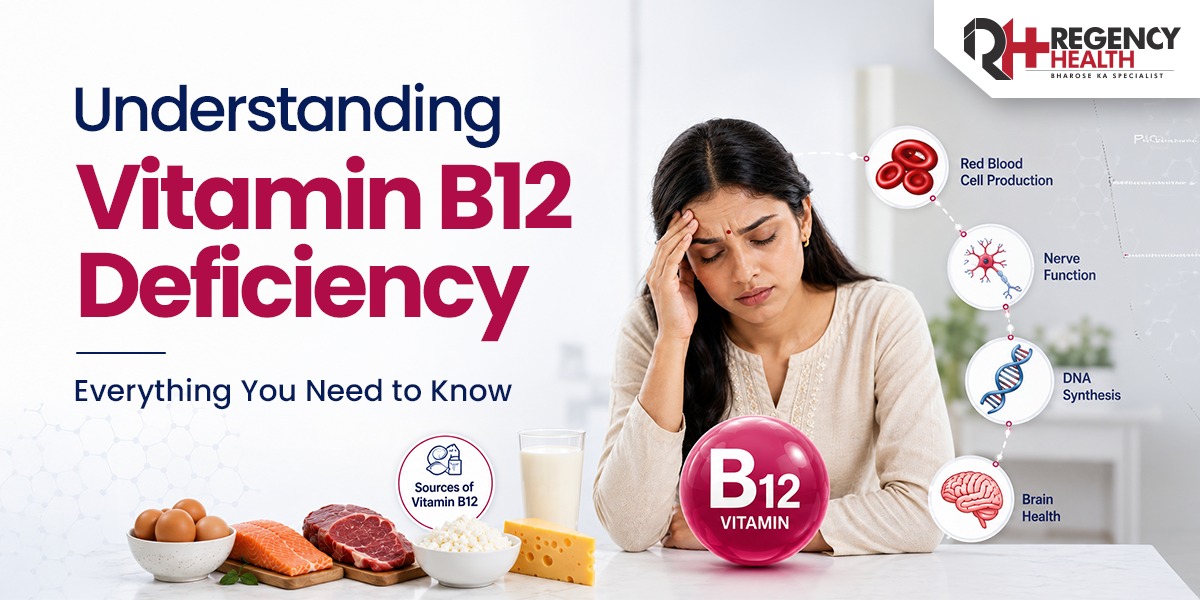
Feeling tired all the time, experiencing frequent dizziness, or noticing numbness in your hands and feet may seem like minor health concerns. However, these symptoms could indicate vitamin B12 deficiency, a common nutritional condition that often goes unnoticed until it starts affecting your daily life.
Vitamin B12 is an essential nutrient that plays a vital role in the production of red blood cells, nerve function, and DNA synthesis. Since the human body cannot produce vitamin B12 on its own, it must be obtained through food or supplements. When the body does not get enough vitamin B12 or cannot absorb it properly, it can lead to a deficiency that affects overall health.
The good news is that vitamin B12 deficiency can often be diagnosed through simple blood tests and managed effectively with the right treatment and dietary changes. In this article, we’ll explain what vitamin B12 deficiency is, its symptoms, possible causes, risk factors, and when you should seek medical advice.
What Is Vitamin B12 Deficiency?
Vitamin B12 deficiency occurs when the body does not have enough vitamin B12 to function properly. Vitamin B12, also known as cobalamin, is a water-soluble vitamin that is essential for producing healthy red blood cells, maintaining nerve health, and supporting brain function.
Without adequate vitamin B12, the body cannot produce healthy red blood cells efficiently. This may lead to a condition called megaloblastic anaemia, where red blood cells become larger than normal and are unable to carry oxygen effectively. As a result, many people experience fatigue, weakness, and shortness of breath.
If left untreated, vitamin B12 deficiency may also damage the nervous system and cause long-term neurological problems. Early diagnosis and treatment are important to prevent complications and support overall health.
Why Is Vitamin B12 Important?
Vitamin B12 is involved in several essential functions that help keep the body healthy.
Some of its major roles include:
- Helps produce healthy red blood cells
- Supports normal brain and nerve function
- Plays an important role in DNA production
- Helps prevent certain types of anaemia
- Supports energy production by helping the body convert food into usable energy
- Contributes to healthy cognitive function and memory
A balanced diet that includes vitamin B12-rich foods is important for maintaining these functions throughout life.
Reasons for Vitamin B12 Deficiency
There are several reasons for vitamin B12 deficiency, and understanding the underlying cause helps doctors recommend the most appropriate treatment.
1. Inadequate Dietary Intake
Vitamin B12 is naturally found mainly in animal-based foods such as milk, eggs, fish, meat, and poultry. People following strict vegetarian or vegan diets without fortified foods or supplements may not get enough vitamin B12 over time.
Although the body stores vitamin B12 for several years, long-term inadequate intake can eventually lead to deficiency.
2. Poor Absorption of Vitamin B12
Sometimes people consume enough vitamin B12 but still develop a deficiency because their body cannot absorb it properly.
This may occur due to:
- Pernicious anaemia
- Reduced stomach acid production
- Certain intestinal disorders
- Previous stomach or intestinal surgery
Poor absorption is one of the most common reasons for vitamin B12 deficiency, especially in older adults.
3. Certain Medical Conditions
Some health conditions affect the digestive system’s ability to absorb nutrients, including vitamin B12.
Examples include:
- Crohn’s disease
- Coeliac disease
- Chronic gastritis
- Disorders affecting the small intestine
Treating the underlying condition often helps improve vitamin B12 levels.
4. Long-Term Use of Certain Medicines
Some commonly used medications may reduce vitamin B12 absorption when taken for a long period.
These include:
- Metformin (used for diabetes)
- Certain acid-reducing medicines
- Proton pump inhibitors (PPIs)
People taking these medicines for several years may require regular monitoring of vitamin B12 levels.
5. Increasing Age
As people grow older, the stomach naturally produces less acid, making it more difficult to absorb vitamin B12 from food. This is one reason why vitamin B12 deficiency is more common in adults over 60 years of age.
Who Is More Likely to Develop Vitamin B12 Deficiency?
Anyone can develop vitamin B12 deficiency, but some people are at a higher risk than others.
| Risk Factor | Why It Increases Risk |
|---|---|
| Older adults | Reduced absorption due to lower stomach acid |
| Strict vegetarians or vegans | Limited intake of natural vitamin B12 sources |
| People with digestive disorders | Reduced nutrient absorption |
| Long-term metformin users | May interfere with vitamin B12 absorption |
| People taking acid-reducing medicines | Reduced stomach acid affects absorption |
| Individuals who have undergone stomach surgery | Decreased ability to absorb vitamin B12 |
Being at risk does not necessarily mean you will develop a deficiency, but regular health check-ups can help detect problems early.
Symptoms of Vitamin B12 Deficiency
The symptoms of vitamin B12 deficiency often develop slowly and may be mild in the beginning. Because they can resemble other health conditions, many people ignore them until the deficiency becomes more severe.
Common symptoms of vitamin B12 deficiency include:
Persistent Fatigue
Feeling tired despite getting enough rest is one of the earliest and most common signs. Reduced oxygen delivery due to anaemia can leave you feeling weak and exhausted.
Weakness
Muscle weakness or a lack of physical stamina may make everyday activities feel more difficult than usual.
Tingling or Numbness
A tingling sensation or numbness in the hands and feet may occur because vitamin B12 is essential for maintaining healthy nerves.
Difficulty Walking or Poor Balance
Some people develop problems with coordination and balance, making walking more difficult if the deficiency affects the nervous system.
Memory Problems
Vitamin B12 deficiency may contribute to poor concentration, forgetfulness, confusion, or difficulty thinking clearly, particularly in older adults.
Pale or Yellowish Skin
A shortage of healthy red blood cells may cause the skin to appear pale. In some cases, the skin or eyes may develop a mild yellowish tint due to the breakdown of abnormal red blood cells.
Shortness of Breath
Because fewer healthy red blood cells are available to carry oxygen, some people experience breathlessness during physical activity.
Mood Changes
Vitamin B12 deficiency has also been linked with mood changes such as irritability, depression, or feeling unusually low.
How Is Vitamin B12 Deficiency Diagnosed?
If your doctor suspects vitamin B12 deficiency, they will begin by reviewing your symptoms, medical history, dietary habits, and any medications you are taking. A physical examination may also be performed to look for signs such as pale skin, numbness, or balance problems.
To confirm the diagnosis, your doctor may recommend one or more of the following tests:
Complete Blood Count (CBC)
A CBC is often the first test performed. It measures the number and size of red blood cells and can help detect anemia, which is commonly associated with vitamin B12 deficiency.
Vitamin B12 Blood Test
This test measures the level of vitamin B12 in your blood and helps determine whether your levels are lower than normal.
Methylmalonic Acid (MMA) Test
If vitamin B12 levels are borderline, your doctor may recommend an MMA test. Elevated MMA levels often indicate a vitamin B12 deficiency, even when blood vitamin B12 levels appear normal.
Homocysteine Test
High homocysteine levels may also suggest vitamin B12 deficiency. This test is sometimes used alongside other investigations to confirm the diagnosis.
Additional Tests
Depending on the suspected cause, your doctor may recommend tests to check for pernicious anaemia, digestive disorders, or other conditions affecting vitamin B12 absorption.
Common Diagnostic Tests
| Test | Purpose |
|---|---|
| Complete Blood Count (CBC) | Detects anaemia and abnormal red blood cells |
| Vitamin B12 Blood Test | Measures vitamin B12 levels in the blood |
| Methylmalonic Acid (MMA) Test | Confirms deficiency when vitamin B12 levels are borderline |
| Homocysteine Test | Supports diagnosis of vitamin B12 deficiency |
| Additional blood tests | Identifies the underlying cause of the deficiency |
Early diagnosis allows treatment to begin before complications develop.
Vitamin B12 Deficiency Treatment
The right vitamin B12 deficiency treatment depends on the underlying cause, the severity of the deficiency, and whether nerve damage is present. Most people recover well with timely diagnosis and appropriate treatment.
Vitamin B12 Supplements
For mild deficiency caused by low dietary intake, doctors may recommend oral vitamin B12 supplements. These help restore vitamin B12 levels and are often prescribed for several weeks or months, depending on individual needs.
Vitamin B12 Injections
People with severe deficiency, nerve-related symptoms, or absorption problems may require vitamin B12 injections. These injections quickly increase vitamin B12 levels and bypass the digestive system.
Initially, injections may be given more frequently, followed by maintenance doses based on your doctor’s recommendation.
Dietary Changes
Eating more vitamin B12-rich foods can help improve vitamin B12 levels, especially if the deficiency is related to inadequate dietary intake.
Treating the Underlying Cause
If vitamin B12 deficiency is caused by digestive disorders, medications, or pernicious anaemia, treating the underlying condition is essential for long-term management.
Always complete the treatment prescribed by your doctor, even if symptoms improve.
Foods Rich in Vitamin B12
Including vitamin B12-rich foods in your diet can help maintain healthy vitamin B12 levels.
| Food | Why It’s Beneficial |
|---|---|
| Milk | Good source of vitamin B12 and calcium |
| Curd (Yogurt) | Provides vitamin B12 and probiotics |
| Cheese | Contains vitamin B12 and protein |
| Eggs | Rich in vitamin B12, protein, and healthy fats |
| Fish | Excellent natural source of vitamin B12 |
| Chicken | Provides vitamin B12 and lean protein |
| Lean Meat | Rich in vitamin B12 and iron |
| Fortified Breakfast Cereals | Good option for vegetarians |
| Fortified Plant-Based Milk | Suitable for vegans and people avoiding dairy |
People following vegetarian or vegan diets should discuss supplementation with their doctor if they are unable to meet their daily vitamin B12 requirements through food alone.
Can Vitamin B12 Deficiency Be a Sign of Cancer?
A common question people ask is, “Can vitamin B12 deficiency be a sign of cancer?”
The answer is not usually.
In most cases, vitamin B12 deficiency is caused by poor dietary intake, reduced absorption, certain digestive disorders, ageing, or long-term use of medications such as metformin and acid-reducing medicines.
However, in rare situations, certain cancers affecting the stomach or intestines may interfere with the body’s ability to absorb vitamin B12. In addition, some cancer treatments, such as chemotherapy, may also contribute to vitamin B12 deficiency.
It is important to understand that vitamin B12 deficiency alone is not considered a sign of cancer. If you have persistent symptoms such as unexplained weight loss, ongoing fatigue, blood in the stool, difficulty swallowing, or prolonged digestive problems along with vitamin B12 deficiency, your doctor may recommend further evaluation to identify the underlying cause.
Rather than assuming the worst, it is always best to seek medical advice for an accurate diagnosis and appropriate treatment.
How to Prevent Vitamin B12 Deficiency
Although not all cases can be prevented, these simple habits can help reduce the risk:
- Eat a balanced diet containing vitamin B12-rich foods.
- Include milk, curd, eggs, fish, or fortified foods regularly.
- If you follow a vegetarian or vegan diet, discuss supplements with your doctor.
- Take medications only as prescribed and attend regular health check-ups if you use them long term.
- Have your vitamin B12 levels checked if you are at high risk or develop persistent symptoms.
When Should You See a Doctor?
Consult a healthcare professional if you experience:
- Persistent tiredness or weakness
- Tingling or numbness in the hands or feet
- Difficulty walking or maintaining balance
- Memory problems or confusion
- Shortness of breath
- Pale skin
- Symptoms that do not improve despite a healthy diet
Early diagnosis and treatment can help prevent long-term nerve damage and other complications.
Conclusion
Vitamin B12 is essential for healthy blood cells, proper nerve function, and overall well-being. Since the body cannot produce this vitamin on its own, getting enough through your diet or supplements is important. Recognising the symptoms early and identifying the underlying cause can help prevent serious health complications.
If you experience persistent fatigue, numbness, balance problems, or other symptoms of vitamin B12 deficiency, do not ignore them. Timely medical evaluation can help identify the cause and ensure you receive the right treatment.
For expert diagnosis, nutritional guidance, and comprehensive medical care, consult the experienced specialists at Regency Hospitals. Recognised as one of the best hospital in Kanpur, Regency Hospitals offers advanced diagnostic facilities and personalised treatment to help you achieve better health.
Frequently Asked Questions (FAQs)
What are the first symptoms of vitamin B12 deficiency?
Early symptoms may include fatigue, weakness, dizziness, tingling in the hands and feet, pale skin, and difficulty concentrating.
Who is most at risk of vitamin B12 deficiency?
Older adults, vegetarians, vegans, people with digestive disorders, and those taking metformin or acid-reducing medicines for a long time are at a higher risk.
Can vitamin B12 deficiency be cured?
Yes. In most cases, vitamin B12 deficiency can be successfully treated with dietary changes, supplements, or injections, depending on the underlying cause.
Which foods are rich in vitamin B12?
Milk, curd, cheese, eggs, fish, chicken, lean meat, fortified cereals, and fortified plant-based milk are good sources of vitamin B12.
How long does it take to recover from vitamin B12 deficiency?
Recovery varies depending on the severity of the deficiency and the treatment. Many people notice improvement within a few weeks, while nerve-related symptoms may take several months to improve.
Read More:
- 15 Healthy Foods for Summer You Should Eat Daily
- Top 20 High Protein Foods for Daily Diet
- High-Protein Vegan Foods & Vegetarian Protein Sources
- Eat These Foods For Boosting Your Immune System