

 Call-an-Ambulance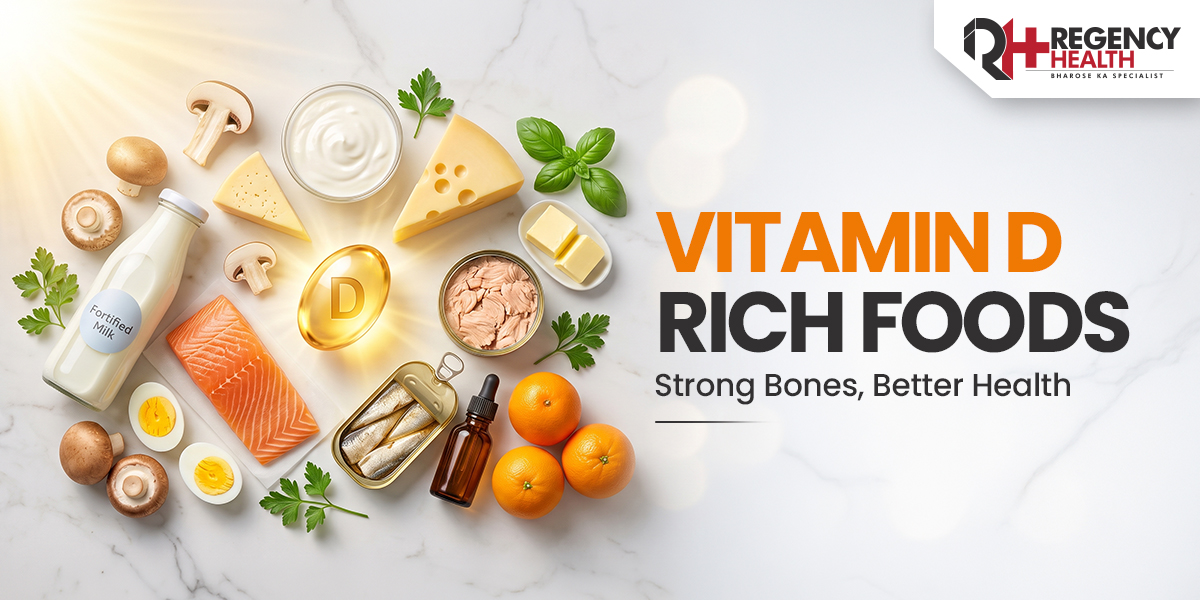
Vitamin D is an essential nutrient that plays a key role in keeping your bones, muscles, teeth, and immune system healthy. It is often called the “sunshine vitamin” because your body produces it when your skin is exposed to sunlight. However, due to indoor lifestyles, limited sun exposure, and dietary habits, vitamin D deficiency has become increasingly common.
Getting enough vitamin D is important for people of all ages. It helps the body absorb calcium and phosphorus, two minerals that are essential for strong bones and teeth. Low vitamin D levels may lead to weak bones, muscle weakness, fatigue, and an increased risk of fractures.
While spending time in sunlight is one of the best ways to boost vitamin D levels, eating vitamin D foods is equally important. Although only a limited number of foods naturally contain vitamin D, including these foods in your daily meals can help maintain healthy levels and reduce the risk of deficiency.
In this article, we’ll discuss the top 10 vitamin D foods, the best vitamin D food sources, options for vitamin D foods for vegetarians, and practical dietary tips to support overall health.
Why Is Vitamin D Important?
Vitamin D is an essential nutrient that plays a vital role in keeping the body healthy. Its primary function is to help the body absorb calcium and phosphorus, which are necessary for building and maintaining strong bones and teeth. Without enough vitamin D, even a calcium-rich diet may not provide its full benefits.
Vitamin D supports several important functions in the body, including:
- Strengthening bones and teeth
- Improving calcium and phosphorus absorption
- Supporting healthy muscle function
- Strengthening the immune system
- Promoting normal growth and development in children
- Reducing the risk of osteoporosis and bone fractures in older adults
- Supporting healthy metabolic function and overall metabolic health
Recent research suggests that vitamin D deficiency is commonly seen in people with obesity, prediabetes, type 2 diabetes, and hypertension. While vitamin D is not a treatment for these conditions, maintaining adequate vitamin D levels through a balanced diet, safe sunlight exposure, and supplements (when recommended by a doctor) may help support overall metabolic health as part of a healthy lifestyle.
Maintaining adequate vitamin D levels through regular sunlight exposure, vitamin D-rich foods, and supplements (if prescribed) is important for overall health and well-being.
Top 10 Vitamin D Foods
1. Egg Yolks
Egg yolks are one of the best natural vitamin D foods and are an affordable option for many Indian families. Besides vitamin D, they are rich in high-quality protein, healthy fats, vitamin B12, and choline, all of which support overall health. Vitamin D in egg yolks helps the body absorb calcium, which is essential for maintaining strong bones and teeth.
Although eggs alone cannot meet your daily vitamin D requirement, including them regularly as part of a balanced diet can contribute to better bone and muscle health. Healthy individuals can usually enjoy one egg a day as part of a nutritious meal, unless advised otherwise by their doctor.
Easy ways to include egg yolks in your diet:
- Boiled eggs for breakfast
- Vegetable omelette
- Egg bhurji with whole wheat roti
- Egg sandwich
2. Milk
Milk is one of the most commonly consumed beverages in India, and many packaged milk brands are fortified with vitamin D. Fortification means that vitamin D is added to milk during processing to improve its nutritional value. Along with calcium, protein, and phosphorus, fortified milk helps maintain strong bones, healthy teeth, and proper muscle function.
Children, adults, and older individuals can all benefit from drinking fortified milk regularly. When purchasing milk, check the nutrition label to ensure it contains added vitamin D.
How to include it:
- Drink a glass of warm milk every day.
- Add it to oats or breakfast cereals.
- Use it to prepare smoothies or milkshakes with fresh fruits.
- Prepare homemade kheer or porridge using fortified milk.
3. Curd
Curd is a staple food in many Indian households and is known for its digestive benefits. If prepared from fortified milk, curd can also provide vitamin D along with calcium and probiotics. These nutrients work together to support bone strength, improve gut health, and boost immunity.
Curd is especially beneficial during summer because it is light, refreshing, and easy to digest. Including curd in your meals regularly can help improve your overall nutrient intake while contributing to a balanced diet.
Healthy ways to enjoy curd:
- Plain curd with lunch
- Vegetable raita
- Homemade buttermilk
- Fruit yogurt without added sugar
4. Mushrooms
Mushrooms are among the few natural vitamin D foods for vegetarians. Certain varieties, especially those exposed to sunlight or ultraviolet (UV) light, naturally contain higher amounts of vitamin D. Besides vitamin D, mushrooms are a good source of fibre, antioxidants, selenium, and B vitamins.
They are low in calories and can easily be included in a variety of Indian dishes. While mushrooms may not provide as much vitamin D as fatty fish, they remain one of the best vegetarian options available.
Easy ways to include mushrooms:
- Mushroom curry
- Mushroom stir-fry
- Mushroom soup
- Whole wheat mushroom sandwich
- Add them to pulao or pasta
5. Paneer
Paneer is a popular protein-rich food enjoyed across India. While regular paneer naturally contains calcium and protein, paneer made from fortified milk may also provide vitamin D. Together, these nutrients help maintain healthy bones, muscles, and teeth.
Paneer is a versatile ingredient that fits easily into vegetarian diets. However, since it can also contain saturated fat, it is best enjoyed in moderation as part of a balanced diet.
Healthy ways to eat paneer:
- Grilled paneer tikka
- Palak paneer
- Paneer bhurji
- Paneer salad
- Whole wheat paneer wrap
6. Fatty Fish
Fatty fish such as mackerel (bangda), salmon, sardines, and tuna are among the richest natural vitamin D food sources. They also provide high-quality protein and omega-3 fatty acids, which support heart health, brain function, and reduce inflammation.
For people who eat non-vegetarian food, including fatty fish once or twice a week can help improve vitamin D intake naturally. Instead of deep-frying, choose healthier cooking methods such as grilling, baking, steaming, or lightly pan-cooking.
Healthy serving ideas:
- Grilled fish with vegetables
- Fish curry with brown rice
- Baked fish
- Fish salad
7. Fortified Breakfast Cereals
Many breakfast cereals available today are fortified with vitamin D, calcium, iron, and other essential nutrients. They can be a convenient breakfast option for busy individuals, especially when paired with fortified milk.
However, not all cereals are equally healthy. Choose whole-grain cereals that are low in added sugar and high in fibre to get the maximum nutritional benefits.
Healthy breakfast ideas:
- Whole-grain cereal with fortified milk
- Cereal topped with fruits and nuts
- High-fibre muesli with yogurt
8. Cheese
Cheese contains calcium, protein, and small amounts of vitamin D. While it should not be your primary source of vitamin D, it can still contribute to your daily nutrient intake when consumed in moderation.
Because some cheeses are high in saturated fat and sodium, choose lower-fat varieties whenever possible and avoid consuming large portions regularly.
Healthy ways to include cheese:
- Whole wheat vegetable sandwich
- Homemade vegetable pizza
- Salads
- Stuffed multigrain wraps
9. Fortified Soy Milk
Fortified soy milk is an excellent dairy alternative for vegans and people with lactose intolerance. It is often enriched with vitamin D and calcium, making it a good option for supporting bone health.
Soy milk also provides plant-based protein and can easily replace regular milk in many recipes.
Ways to use soy milk:
- Smoothies
- Tea or coffee
- Breakfast cereals
- Oats
10. Butter
Butter contains a small amount of vitamin D along with healthy fats. While it should not be considered a major source of vitamin D, it can contribute to your overall intake when consumed in moderation as part of a balanced diet.
Since butter is high in saturated fat, it is best to use it sparingly and combine it with other vitamin D rich foods to meet your daily nutritional needs.
Healthy ways to include it:
- Spread a small amount on whole wheat toast.
- Add a little butter to rotis or parathas.
- Use it while cooking vegetables in moderation.
Signs and Symptoms of Vitamin D Deficiency
Vitamin D deficiency often develops gradually, and many people may not notice the symptoms in the early stages. If left untreated, it can affect bone health, muscle strength, and overall well-being. Including vitamin D deficiency foods in your diet and getting regular sunlight exposure can help reduce the risk.
Common signs and symptoms include:
- Frequent bone or back pain
- Muscle weakness or muscle aches
- Feeling tired or low on energy
- Mood changes, including feeling low
- Frequent infections due to reduced immunity
- Slow wound healing
- Hair thinning or hair loss in some individuals
- Weak bones or frequent fractures, especially in older adults
If you experience these symptoms for a prolonged period, consult a healthcare professional. A simple blood test can help determine your vitamin D levels.
Foods to Eat if You Have Vitamin D Deficiency
If you have been diagnosed with vitamin D deficiency, your doctor may recommend increasing your intake of vitamin D deficiency foods along with safe sunlight exposure and supplements if needed.
Some of the best foods to include are:
- Egg yolks
- Fortified milk
- Fortified curd (yogurt)
- UV-exposed mushrooms
- Fatty fish such as mackerel and tuna
- Fortified breakfast cereals
- Fortified soy or almond milk
Remember, food alone may not be enough to correct severe vitamin D deficiency. Always follow your doctor’s advice regarding supplements and treatment.
How to Improve Vitamin D Absorption
Eating vitamin D rich foods is important, but your body also needs to absorb the vitamin effectively. A few healthy habits can improve vitamin D absorption and help you get the most benefit from your diet.
Spend Time in Sunlight
Sunlight is the body’s primary source of vitamin D. Spending around 15–30 minutes in the morning or late afternoon sun several times a week can help your body produce vitamin D naturally. The required duration varies depending on your skin tone, location, season, and weather.
Include Healthy Fats
Vitamin D is a fat-soluble vitamin, which means it is better absorbed when consumed with healthy fats.
Good sources of healthy fats include:
- Nuts
- Seeds
- Avocados
- Olive oil
- Groundnut oil (in moderation)
Maintain a Balanced Diet
A balanced diet that includes calcium, magnesium, and protein supports bone health and helps vitamin D perform its functions effectively.
Follow Medical Advice
If your doctor prescribes vitamin D supplements, take them exactly as recommended. Avoid taking high doses without medical supervision, as excessive vitamin D can also cause health problems.
Foods and Habits That May Affect Vitamin D Levels
Certain lifestyle factors and health conditions can reduce vitamin D levels over time.
These include:
- Spending very little time outdoors
- Regular use of high-SPF sunscreen during all sun exposure
- Diets lacking vitamin D food sources
- Obesity
- Certain digestive disorders that reduce nutrient absorption
- Kidney or liver diseases
- Increasing age
Making small lifestyle changes can help improve your vitamin D status over time.
Can You Get Enough Vitamin D from Food Alone?
Although including vitamin D foods in your daily meals is important, it can be difficult to meet your complete daily requirement through food alone because very few foods naturally contain significant amounts of vitamin D.
For most people, the best approach is to combine:
- Regular sunlight exposure
- A healthy diet containing vitamin D rich foods
- Fortified foods
- Supplements, if prescribed by a doctor
This balanced approach helps maintain healthy vitamin D levels and supports long-term bone health.
Lifestyle Tips to Keep Your Bones Healthy
In addition to eating top 10 vitamin D foods, adopting healthy lifestyle habits can further improve bone strength and overall health.
Some simple tips include:
- Spend time outdoors regularly.
- Exercise for at least 30 minutes most days of the week.
- Include calcium-rich foods such as milk, curd, paneer, and leafy green vegetables.
- Maintain a healthy body weight.
- Avoid smoking and excessive alcohol consumption.
- Get regular health check-ups if you are at risk of vitamin D deficiency.
Small daily habits can make a significant difference in maintaining healthy bones and muscles throughout life.
Conclusion
Vitamin D is an essential nutrient that supports strong bones, healthy muscles, and a well-functioning immune system. While sunlight remains the most natural source of vitamin D, including vitamin D foods in your daily diet can also help maintain healthy levels. Foods such as fortified milk, curd, mushrooms, eggs, and fortified cereals are simple additions that can contribute to your overall health.
If you frequently experience bone pain, muscle weakness, or have been diagnosed with vitamin D deficiency, do not ignore these signs. Early diagnosis and the right dietary changes can help prevent long-term complications.
For expert guidance on vitamin D deficiency, hormonal health, and nutritional care, consult the specialists at Regency Hospitals, home to some of the best endocrinology hospital in Kanpur services. The experienced medical team can help identify the underlying cause and recommend a personalised treatment plan based on your health needs.
Frequently Asked Questions (FAQs)
Which foods are highest in vitamin D?
Some of the best vitamin D foods include egg yolks, fortified milk, mushrooms exposed to UV light, fatty fish, fortified curd, and fortified breakfast cereals.
What are the best vitamin D foods for vegetarians?
The best vitamin D foods for vegetarians include UV-exposed mushrooms, fortified milk, fortified curd, fortified soy milk, fortified breakfast cereals, and paneer made from fortified milk.
Can I get enough vitamin D from food alone?
Food helps increase vitamin D intake, but many people may also need regular sunlight exposure. In some cases, doctors may recommend supplements if dietary intake and sunlight are insufficient.
What happens if vitamin D levels are low?
Low vitamin D levels may cause bone pain, muscle weakness, fatigue, and increase the risk of fractures. A blood test can confirm whether you have vitamin D deficiency.
Which fruit is rich in vitamin D?
Very few fruits naturally contain vitamin D. Most people obtain vitamin D from sunlight, fortified foods, and certain animal-based foods. Some fortified fruit juices may contain added vitamin D, so it is important to check the nutrition label.
Read More:
- Top 20 High Protein Foods for Daily Diet
- 15 Healthy Foods for Summer You Should Eat Daily
- Top 10 Foods for Kidney Health: Best Nutrient-Rich Picks
- High-Protein Vegan Foods & Vegetarian Protein Sources