
 Call-an-Ambulance
20 Foods to Increase Hemoglobin You Should Add to Your Diet
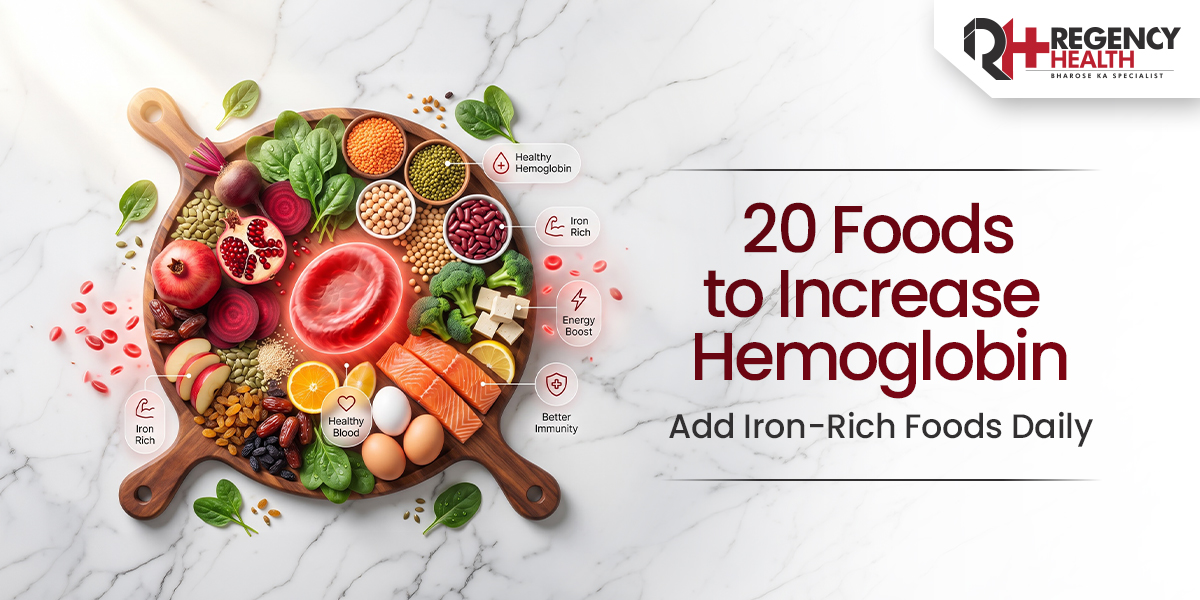
Feeling tired all the time, experiencing frequent dizziness, or getting out of breath after minimal activity may not always be due to a busy lifestyle. These symptoms could be a sign of low hemoglobin levels. Hemoglobin is an important protein found in red blood cells that carries oxygen from your lungs to the rest of your body. When hemoglobin levels are low, your body does not receive enough oxygen, which can affect your energy levels and overall health.
The good news is that, in many cases, a healthy and balanced diet can help improve hemoglobin levels. Including the right food to increase hemoglobin can support the production of healthy red blood cells and reduce the risk of iron deficiency.
In this article, we’ll discuss the best food to increase hemoglobin, understand why hemoglobin is important, and explore simple dietary tips that can help maintain healthy blood levels naturally.
What Is Hemoglobin?
Hemoglobin is an iron-rich protein present inside red blood cells. Its main function is to carry oxygen from the lungs to every part of the body and transport carbon dioxide back to the lungs to be exhaled.
Healthy hemoglobin levels are essential for:
- Delivering oxygen to body tissues
- Maintaining energy levels
- Supporting brain function
- Promoting healthy muscles and organs
- Preventing anemia
When hemoglobin levels fall below the normal range, the body may not receive enough oxygen, leading to fatigue and several other health problems.
Why Is Hemoglobin Important?
Hemoglobin plays a vital role in keeping your body functioning properly. Without enough hemoglobin, even simple daily activities may become tiring.
Some important functions of hemoglobin include:
- Carries oxygen throughout the body
- Helps produce energy
- Supports healthy brain function
- Maintains muscle strength
- Helps organs function efficiently
- Supports overall health and immunity
Maintaining healthy hemoglobin levels requires a balanced diet rich in iron, folate, vitamin B12, and vitamin C.
What Causes Low Hemoglobin?
Several factors can contribute to low hemoglobin levels. Understanding the cause is important because treatment depends on the underlying condition.
Common causes include:
Iron Deficiency
Iron deficiency is one of the leading causes of low hemoglobin. Without enough iron, the body cannot produce adequate hemoglobin.
Poor Nutrition
A diet lacking iron, folate, vitamin B12, or protein can reduce red blood cell production.
Blood Loss
Heavy menstrual bleeding, injuries, surgeries, stomach ulcers, or internal bleeding may reduce hemoglobin levels.
Chronic Diseases
Kidney disease, liver disease, cancer, and certain inflammatory conditions can interfere with red blood cell production.
Pregnancy
During pregnancy, blood volume increases significantly, increasing the body’s iron requirement.
Vitamin Deficiencies
Deficiency of vitamin B12 or folate may reduce healthy red blood cell formation.
Symptoms of Low Hemoglobin
Low hemoglobin often develops gradually, and symptoms may become noticeable only when levels fall significantly.
Common symptoms include:
- Constant tiredness
- Weakness
- Pale skin
- Shortness of breath
- Frequent dizziness
- Headaches
- Cold hands and feet
- Rapid heartbeat
- Difficulty concentrating
- Brittle nails
If these symptoms persist, consult a doctor for proper evaluation.
Daily Iron Requirement
Iron is one of the most important nutrients needed to produce hemoglobin. The recommended daily intake varies by age and gender.
| Group | Recommended Iron Intake (Approx.) |
|---|---|
| Adult Men | 8 mg/day |
| Adult Women (19–50 years) | 18 mg/day |
| Pregnant Women | 27 mg/day |
| Breastfeeding Women | 9–10 mg/day |
| Children | Depends on age (7–15 mg/day) |
Your doctor may recommend higher iron intake if you have iron deficiency anemia or other medical conditions.
20 Best Foods to Increase Hemoglobin
Adding iron-rich foods to your daily meals is one of the easiest ways to support healthy hemoglobin levels. Below are some of the best food to increase hemoglobin that are easily available in India.
1. Spinach (Palak)
Spinach is one of the most popular veg food to increase hemoglobin. It contains iron, folate, vitamin A, and vitamin C, all of which help support red blood cell production. Although spinach contains non-heme iron, pairing it with vitamin C-rich foods can improve iron absorption.
Best ways to consume:
- Palak sabzi
- Palak dal
- Green smoothies
- Spinach soup
2. Beetroot
Although beetroot is not extremely high in iron, it contains folate, potassium, vitamin C, and antioxidants that support healthy blood production. It is often recommended as part of a balanced diet for maintaining healthy hemoglobin levels.
Best ways to consume:
- Beetroot salad
- Fresh beetroot juice
- Roasted beetroot
- Vegetable soup
3. Jaggery (Gur)
Jaggery contains small amounts of iron and minerals that may help improve hemoglobin levels when consumed in moderation. It is a healthier alternative to refined sugar and is commonly included in traditional Indian diets.
Best ways to consume:
- After meals
- With roasted chana
- Mixed into porridge
- In homemade laddoos
4. Dates (Khajoor)
Dates are rich in iron, fibre, potassium, and natural sugars that provide quick energy. They can be a nutritious snack for people with low hemoglobin.
Best ways to consume:
- Eat 2–3 dates daily
- Add to smoothies
- Mix with oats
- Include in homemade energy bars
5. Raisins (Kishmish)
Raisins provide iron, copper, and antioxidants that support red blood cell production. They also make a healthy snack for both children and adults.
Best ways to consume:
- Soak overnight and eat in the morning
- Add to cereals
- Mix into curd
- Sprinkle over oatmeal
6. Pomegranate (Anar)
Pomegranate contains iron, vitamin C, and antioxidants that may help support healthy blood circulation. It is often recommended as part of a balanced diet for people looking to improve their food to increase hemoglobin level naturally.
Best ways to consume:
- Fresh fruit
- Fresh juice without added sugar
- Fruit salad
- Smoothies
7. Lentils (Dal)
Lentils are among the most affordable and nutritious veg food to increase hemoglobin. They are rich in iron, protein, folate, and fibre, making them an excellent choice for vegetarians.
Best ways to consume:
- Dal curry
- Khichdi
- Lentil soup
- Sprouted lentil salad
8. Chickpeas (Chana)
Chickpeas provide iron, protein, folate, and complex carbohydrates. Regular consumption can help support healthy red blood cell production while keeping you full for longer.
Best ways to consume:
- Chana masala
- Boiled chana
- Chaat
- Hummus
9. Rajma (Kidney Beans)
Rajma is rich in iron, protein, and fibre, making it another excellent vegetarian option. When paired with rice and vitamin C-rich vegetables, it becomes a wholesome meal that supports healthy hemoglobin levels.
Best ways to consume:
- Rajma curry
- Rajma salad
- Bean soup
- Mixed bean bowl
10. Soybeans
Soybeans are an excellent source of plant-based protein and iron. They also contain folate and several essential minerals that support blood health, making them one of the best food to increase hemoglobin for vegetarians.
Best ways to consume:
- Soybean curry
- Soy chunks
- Soy pulao
- Stir-fried soybeans
11. Pumpkin Seeds (Kaddu ke Beej)
Pumpkin seeds are small but packed with nutrients. They are a good source of iron, magnesium, zinc, and healthy fats that support the production of healthy red blood cells. They also make a convenient and healthy snack.
Best ways to consume:
- Eat a handful as a snack
- Sprinkle over salads
- Mix into oats or yogurt
- Add to homemade trail mix
12. Sesame Seeds (Til)
Sesame seeds are one of the best plant-based sources of iron. They also contain calcium, copper, and healthy fats that contribute to better bone and blood health. Including sesame seeds regularly in your diet can help support healthy hemoglobin levels.
Best ways to consume:
- Sprinkle over salads and vegetables
- Add to chapati or paratha dough
- Eat sesame laddoos in moderation
- Blend into chutneys
13. Ragi (Finger Millet)
Ragi is a nutritious millet that contains iron, calcium, and dietary fibre. It is an excellent choice for people looking for veg food to increase hemoglobin while also supporting bone health.
Best ways to consume:
- Ragi porridge
- Ragi dosa
- Ragi roti
- Ragi idli
14. Broccoli
Broccoli contains iron along with vitamin C, which helps the body absorb iron more efficiently. It also provides folate and antioxidants that support healthy blood cell production.
Best ways to consume:
- Lightly steamed
- Stir-fried with vegetables
- Added to soups
- Mixed into salads
15. Eggs
Eggs are a good source of iron, vitamin B12, protein, and several essential nutrients that support healthy red blood cell formation. The yolk contains most of the iron, making whole eggs a nutritious addition to your diet.
Best ways to consume:
- Boiled eggs
- Vegetable omelette
- Egg bhurji
- Egg curry
16. Fish
Fish, especially varieties like sardines, tuna, and mackerel, provides heme iron, which is absorbed more efficiently than plant-based iron. Fish also contains vitamin B12 and omega-3 fatty acids that support overall health.
Best ways to consume:
- Grilled fish
- Fish curry
- Steamed fish
- Baked fish
17. Chicken
Chicken is another excellent source of heme iron and high-quality protein. Including lean chicken in your diet can help improve hemoglobin production while supporting muscle health.
Best ways to consume:
- Grilled chicken
- Chicken curry
- Chicken soup
- Stir-fried chicken with vegetables
18. Liver
Liver is one of the richest natural sources of iron, vitamin B12, folate, and vitamin A. It is highly effective for improving low hemoglobin levels but should be consumed in moderation, especially by pregnant women, due to its high vitamin A content.
Best ways to consume:
- Cooked liver curry
- Stir-fried liver
- Grilled liver
19. Citrus Fruits
Although oranges, lemons, amla, and other citrus fruits do not contain much iron, they are rich in vitamin C, which significantly improves the absorption of iron from plant-based foods. Pairing citrus fruits with iron-rich meals is one of the easiest ways to improve your food to increase hemoglobin level naturally.
Best ways to consume:
- Fresh oranges
- Amla
- Lemon water
- Squeeze lemon over dal or green vegetables
20. Amaranth Leaves (Chaulai)
Amaranth leaves are rich in iron, calcium, folate, and vitamin C. They are widely available in India and are considered one of the best food to increase hemoglobin for vegetarians.
Best ways to consume:
- Chaulai sabzi
- Mixed with dal
- Added to soups
- Stir-fried with garlic
Tips to Improve Iron Absorption
Simply eating iron-rich foods may not be enough. Your body also needs to absorb the iron effectively. These simple habits can help increase iron absorption:
- Pair iron-rich foods with vitamin C-rich foods like oranges, amla, guava, tomatoes, or lemons.
- Include foods rich in folate and vitamin B12 to support healthy red blood cell production.
- Cook in cast-iron cookware, as small amounts of iron may transfer into food.
- Eat a balanced diet with adequate protein, which also supports blood health.
- Follow your doctor’s advice if iron supplements are prescribed.
Foods and Drinks That May Reduce Iron Absorption
Some foods and beverages can reduce the body’s ability to absorb iron when consumed along with iron-rich meals.
These include:
- Tea
- Coffee
- Excessive dairy products taken with iron-rich meals
- Foods high in phytates, such as unsoaked whole grains and legumes
- Calcium supplements taken at the same time as iron supplements
To maximise iron absorption, try to consume tea, coffee, or calcium supplements at least one to two hours before or after your iron-rich meals.
Lifestyle Tips to Maintain Healthy Hemoglobin
Along with including the right food to increase hemoglobin, these healthy habits can help maintain normal hemoglobin levels:
- Eat a balanced diet containing iron, folate, vitamin B12, and vitamin C.
- Stay physically active.
- Drink enough water throughout the day.
- Get regular health check-ups if you are at risk of anaemia.
- Avoid skipping meals.
- Take iron supplements only if recommended by your doctor.
- Manage any underlying medical conditions that may contribute to low hemoglobin.
When Should You See a Doctor?
Consult a healthcare professional if you experience:
- Persistent tiredness or weakness
- Frequent dizziness
- Pale skin
- Shortness of breath
- Rapid heartbeat
- Heavy menstrual bleeding
- Symptoms that do not improve despite following a healthy diet
Your doctor may recommend blood tests to identify the underlying cause and determine the most appropriate treatment.
Conclusion
Healthy hemoglobin levels are essential for carrying oxygen throughout the body and maintaining energy, strength, and overall well-being. Including iron-rich foods such as spinach, lentils, beans, sesame seeds, eggs, fish, and citrus fruits in your daily meals can naturally support healthy hemoglobin production. At the same time, combining these foods with vitamin C-rich fruits and maintaining a balanced lifestyle can further improve iron absorption.
However, if you continue to experience symptoms such as fatigue, weakness, dizziness, or shortness of breath despite making dietary changes, it is important to seek medical advice. These symptoms may indicate an underlying health condition that requires proper evaluation and treatment.
For expert diagnosis, nutritional guidance, and comprehensive medical care, consult the experienced specialists at Regency Hospitals. Recognised as one of the best hospital in Lucknow, Regency Hospitals offers advanced diagnostic facilities and personalised treatment plans to help you maintain healthy hemoglobin levels and overall well-being.
Frequently Asked Questions (FAQs)
Which food increases hemoglobin the fastest?
Foods rich in heme iron, such as liver, lean meat, and fish, are absorbed more efficiently by the body. For vegetarians, spinach, lentils, sesame seeds, pumpkin seeds, and soybeans are excellent choices when paired with vitamin C-rich foods.
Which fruit is best for increasing hemoglobin?
Pomegranate, amla, oranges, guava, and raisins are commonly included in a healthy diet. While most fruits contain little iron, vitamin C-rich fruits help improve iron absorption.
Can low hemoglobin be improved through diet alone?
If low hemoglobin is caused by iron deficiency or poor nutrition, dietary changes may help. However, if it is due to an underlying medical condition, additional treatment may be required. Always consult a doctor for proper evaluation.
What foods should I avoid if I have low hemoglobin?
Avoid drinking tea or coffee immediately before or after iron-rich meals, as they may reduce iron absorption. It is also advisable to avoid taking calcium supplements at the same time as iron supplements unless advised otherwise by your doctor.
How long does it take to increase hemoglobin levels?
The time varies depending on the cause and severity of the deficiency. With the right diet and treatment, many people notice improvement within a few weeks, although restoring normal hemoglobin levels may take several months.
Read More:
- 15 Healthy Foods for Summer You Should Eat Daily
- Top 20 High Protein Foods for Daily Diet
- High-Protein Vegan Foods & Vegetarian Protein Sources
- Eat These Foods For Boosting Your Immune System