
 Call-an-Ambulance
Paralysis Symptoms: Early Warning Signs, Diagnosis & When to Seek Medical Help
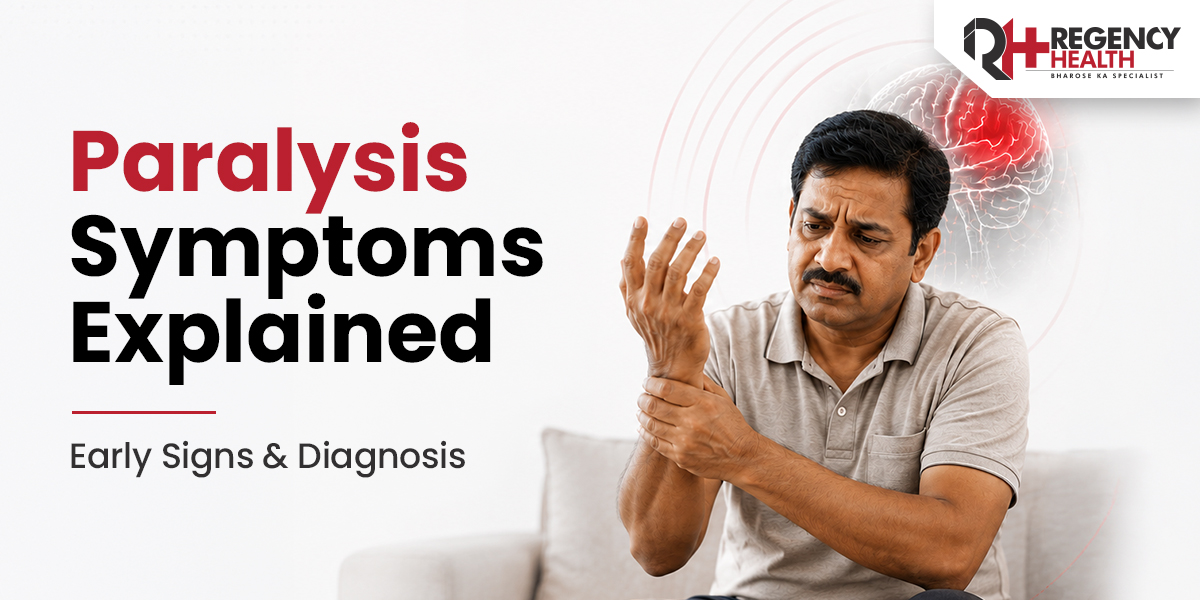
Paralysis is a serious neurological condition that causes partial or complete loss of muscle movement in one or more parts of the body. It usually occurs when the communication between the brain, spinal cord, and muscles is interrupted due to injury or disease.
Depending on the underlying cause, paralysis may develop suddenly as seen in stroke or gradually because of progressive neurological disorders. Recognizing paralysis symptoms early and seeking immediate medical care can significantly improve treatment outcomes and reduce long-term disability.
What Is Paralysis?
Paralysis is the inability to voluntarily move one or more muscles. It occurs when the nervous system fails to transmit signals from the brain to the muscles.
Paralysis may be:
- Temporary or permanent
- Partial or complete
- Sudden or gradual
- Localized or widespread
The severity depends on the extent and location of nerve or brain damage.
How Common Is Paralysis?
Paralysis affects millions of people worldwide and can result from various medical conditions.
It is commonly associated with:
- Stroke
- Spinal cord injury
- Traumatic brain injury
- Multiple sclerosis
- Cerebral palsy
- Neurological infections
Stroke remains one of the leading causes of sudden paralysis in adults.
Types of Paralysis
Different types of paralysis are classified according to the body area affected.
| Type | Description |
|---|---|
| Monoplegia | Paralysis affecting one limb |
| Hemiplegia | Paralysis affecting one side of the body |
| Paraplegia | Paralysis affecting both legs |
| Quadriplegia (Tetraplegia) | Paralysis affecting both arms and legs |
| Partial Paralysis | Some muscle movement remains |
| Complete Paralysis | Total loss of voluntary muscle movement |
The type of paralysis helps doctors identify the underlying neurological problem and determine appropriate treatment.
Paralysis Symptoms
The symptoms vary depending on the affected nerves, brain region, or spinal cord.
1. Sudden Weakness in the Face, Arm, or Leg
One of the earliest paralysis symptoms is sudden weakness, particularly on one side of the body. This commonly occurs during a stroke.
You may notice:
- Difficulty lifting one arm
- Weak grip
- Leg weakness while walking
- Facial drooping
Sudden weakness should always be treated as a medical emergency.
2. Loss of Muscle Movement
Some people lose the ability to move a specific body part completely, while others experience only partial loss of movement.
Movement loss may affect:
- Fingers
- Hands
- Arms
- Legs
- Face
- Entire side of the body
3. Numbness or Loss of Sensation
Many patients experience numbness or tingling before paralysis develops.
Symptoms may include:
- Pins-and-needles sensation
- Reduced touch sensation
- Loss of temperature perception
- Difficulty recognizing pain
4. Difficulty Walking or Maintaining Balance
Damage to the nervous system can interfere with coordination and balance.
Common signs include:
- Frequent falls
- Difficulty standing
- Unsteady walking
- Poor coordination
5. Facial Drooping
Facial muscle weakness is a classic warning sign of stroke and facial nerve disorders.
You may notice:
- One side of the face drooping
- Uneven smile
- Difficulty closing one eye
- Drooling
6. Slurred Speech or Difficulty Speaking
If paralysis affects muscles involved in speech, a person may:
- Speak unclearly
- Have difficulty forming words
- Struggle to understand language (in some stroke cases)
7. Difficulty Swallowing
Neurological disorders affecting the throat muscles may cause swallowing problems.
Warning signs include:
- Choking while eating
- Food sticking in the throat
- Coughing during meals
8. Muscle Stiffness or Muscle Flaccidity
Depending on the underlying condition, muscles may become:
- Very stiff (spastic paralysis)
- Extremely loose or floppy (flaccid paralysis)
9. Loss of Bladder or Bowel Control
Spinal cord injuries may interfere with bladder and bowel function.
This can result in:
- Urinary incontinence
- Difficulty emptying the bladder
- Constipation
- Loss of bowel control
10. Difficulty Breathing (Severe Cases)
If paralysis affects the chest muscles or diaphragm, breathing can become difficult and requires immediate emergency care.
Paralysis Causes
There are many possible paralysis causes, ranging from medical emergencies to chronic neurological disorders.
1. Stroke
Stroke is the most common cause of sudden paralysis. A blocked or ruptured blood vessel interrupts blood flow to the brain, causing weakness or paralysis on one side of the body.
2. Spinal Cord Injury
Road accidents, falls, sports injuries, or violence can damage the spinal cord and interrupt nerve signals between the brain and muscles.
3. Traumatic Brain Injury
A severe head injury may damage areas of the brain responsible for movement, resulting in paralysis.
4. Multiple Sclerosis (MS)
Multiple sclerosis damages the protective covering of nerves, leading to weakness, balance problems, and progressive paralysis in some individuals.
5. Bell’s Palsy
Bell’s palsy affects the facial nerve and causes temporary paralysis of one side of the face. Most patients recover with appropriate treatment.
6. Guillain-Barré Syndrome
This rare autoimmune condition causes the immune system to attack peripheral nerves, leading to rapidly progressing weakness that may develop into paralysis.
7. Cerebral Palsy
Cerebral palsy develops due to brain injury before or shortly after birth and affects movement, muscle coordination, and posture.
8. Tumors
Brain or spinal cord tumors may compress nerves, gradually causing weakness or paralysis depending on their location.
9. Neurological Infections
Certain infections affecting the brain or spinal cord can damage nerve tissue.
Examples include:
- Meningitis
- Encephalitis
- Polio (rare due to vaccination)
10. Neurodegenerative Diseases
Conditions such as amyotrophic lateral sclerosis (ALS) gradually damage motor neurons, resulting in progressive muscle weakness and paralysis.
How Is Paralysis Diagnosed?
Doctors diagnose paralysis through a combination of clinical evaluation and imaging tests.
Common investigations include:
- Detailed neurological examination
- CT scan
- MRI scan
- Blood tests
- Electromyography (EMG)
- Nerve conduction studies
- Lumbar puncture (when required)
Early diagnosis helps determine the exact cause and guides treatment.
Paralysis Treatment
The appropriate paralysis treatment depends entirely on the underlying cause.
| Treatment | Purpose |
|---|---|
| Emergency stroke treatment | Restores blood flow when appropriate |
| Medications | Reduce inflammation, prevent complications, or treat infections |
| Physical therapy | Improves strength, mobility, and independence |
| Occupational therapy | Helps regain daily living skills |
| Speech therapy | Improves speech and swallowing |
| Surgery | May be required for spinal injuries, tumors, or nerve compression |
| Assistive devices | Braces, walkers, wheelchairs, and mobility aids |
Some patients experience significant recovery, while others require long-term rehabilitation.
Can Paralysis Be Prevented?
Not all cases are preventable, but certain measures can reduce the risk.
These include:
- Controlling blood pressure, diabetes, and cholesterol
- Avoiding smoking
- Exercising regularly
- Wearing helmets and seat belts
- Following workplace safety measures
- Getting recommended vaccinations
- Maintaining a healthy weight
When Should You Seek Immediate Medical Help?
Seek emergency medical attention immediately if someone develops:
- Sudden weakness on one side of the body
- Facial drooping
- Difficulty speaking
- Sudden loss of balance
- Severe headache with weakness
- Loss of consciousness
- Difficulty breathing
These symptoms may indicate a stroke or another neurological emergency where every minute counts.
Recovery and Rehabilitation
Recovery depends on:
- Cause of paralysis
- Severity of nerve damage
- Time taken to start treatment
- Patient’s age
- Overall health
- Consistency with rehabilitation
A multidisciplinary rehabilitation program often includes neurologists, physiotherapists, occupational therapists, speech therapists, and rehabilitation specialists.
Conclusion
Paralysis is a serious neurological condition that requires prompt medical evaluation. Recognizing early paralysis symptoms, understanding the possible paralysis causes, and starting timely paralysis treatment can greatly improve recovery and quality of life.
If you or a loved one experiences sudden weakness, facial drooping, or difficulty speaking, do not delay medical attention. Early intervention is especially critical in conditions such as stroke. For expert neurological evaluation, advanced diagnostic facilities, and comprehensive rehabilitation services, consult the specialists at Regency Hospitals, home to some of the best neurologist in Gorakhpur, offering personalized care for a wide range of neurological disorders.
Read More:
- Neurological Disorders: Signs, Types, Causes and Symptoms
- Neurologist vs Neurosurgeon: Key Differences, Roles & When to Consult
- How Worrying Too Much Can Lead to Neurodegeneration? – Regency Healthcare
- Brain Stroke: Causes, Symptoms, Types, Treatment and Prevention