
 Call-an-Ambulance
What Is HbA1c? Meaning, Normal Range, Test, and Results Explained
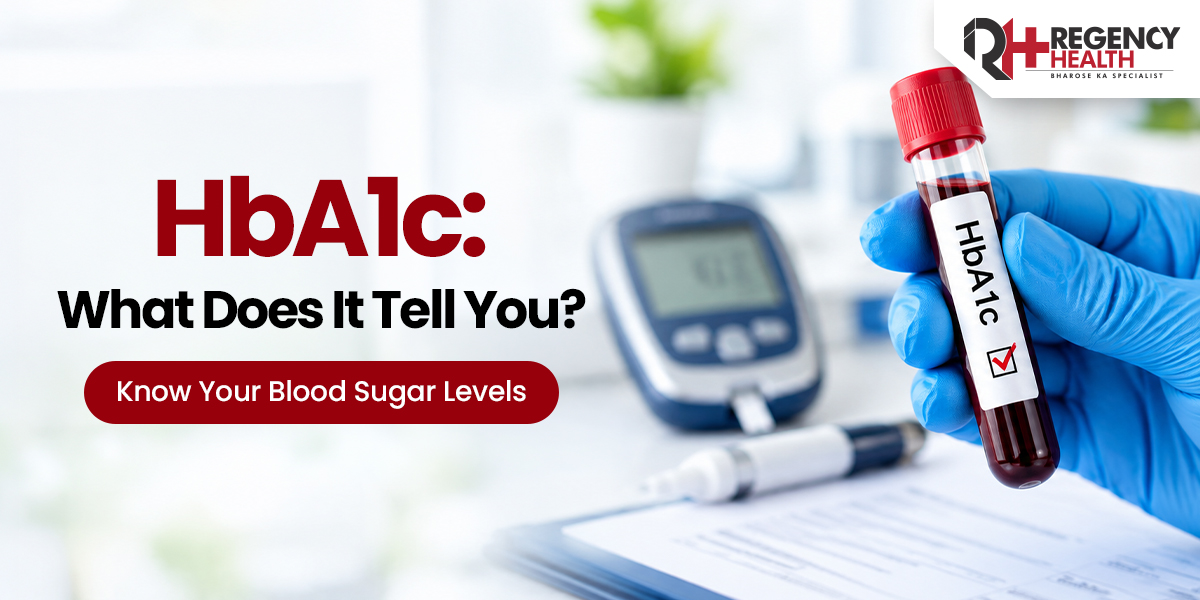
Blood sugar can change throughout the day depending on meals, activity, stress, and medicines. A single reading, therefore, does not always show the full picture of long-term sugar control. HbA1c helps doctors understand average blood glucose over the previous two to three months.
But what does an HbA1c result really mean? What number is considered normal, when does it indicate prediabetes or diabetes, and is fasting needed before the test?
What Is HbA1c?
HbA1c, also called glycated haemoglobin or A1C, is a blood test that measures the percentage of haemoglobin with glucose attached to it. Haemoglobin is the protein in red blood cells that carries oxygen. Because red blood cells normally circulate for about three months, the test provides an estimate of a person’s average blood glucose during that period.
A higher blood glucose level means more glucose attaches to haemoglobin. As a result, a higher HbA1c generally indicates higher average blood sugar. Unlike a fasting blood glucose test, an HbA1c test does not usually require fasting. It can therefore be a convenient option for screening, diagnosis and diabetes monitoring when a suitable laboratory method is used.
HbA1c Levels: What Do the Numbers Mean?
The standard HbA1c levels used to classify normal blood sugar, prediabetes and diabetes are:
| HbA1c result | General interpretation |
|---|---|
| Below 5.7% | Normal range |
| 5.7% to 6.4% | Prediabetes |
| 6.5% or above | Diabetes-level result for diagnosis |
These cutoffs are used by major medical organisations, including the American Diabetes Association and the National Institute of Diabetes and Digestive and Kidney Diseases. A result in the diabetes range does not always mean a diagnosis can be made from one report alone. When a person has no clear symptoms of high blood sugar, an abnormal diagnostic result generally needs confirmation with a repeat test or another accepted glucose test.
It is also important to remember that a normal result does not guarantee that blood sugar is always normal. Glucose rises and falls during the day, and some conditions can make the test less reliable.
What Is the HbA1c Diabetes Range?
The HbA1c diabetes range starts at 6.5% when the test is used for diagnosing diabetes. This threshold is different from the usual treatment target for someone who has already been diagnosed.
For many nonpregnant adults living with diabetes, the American Diabetes Association’s 2026 guidance states that an HbA1c goal below 7% is appropriate when it can be achieved safely. However, the right target is individual. Age, other health conditions, duration of diabetes, risk of low blood sugar and the person’s overall treatment plan can affect the goal.
For example, an HbA1c of 6.8% can meet the treatment goal for many adults with established diabetes, even though the same value is within the diabetes range when the test is being used for diagnosis. This is why an HbA1c report should be interpreted in context rather than treated as a simple pass-or-fail score.
HbA1c Test Meaning: How Is the Test Done?
The HbA1c test estimates long-term average blood glucose by measuring glucose attached to haemoglobin.
A blood sample is usually collected from a vein, although some validated settings can use a finger-stick sample. No fasting is normally required for a standard HbA1c test. You can generally eat and drink as usual unless your doctor has ordered other blood tests that require fasting.
The report gives a percentage. The higher the percentage, the higher the average blood glucose has generally been. Some reports also include estimated average glucose, or eAG. This converts an HbA1c result into an approximate average glucose value in mg/dL, which can make the result easier to relate to home glucose readings.
| HbA1c | Approximate eAG |
|---|---|
| 5.70% | 117 mg/dL |
| 6.00% | 126 mg/dL |
| 6.50% | 140 mg/dL |
| 7.00% | 154 mg/dL |
| 8.00% | 183 mg/dL |
| 9.00% | 212 mg/dL |
| 10.00% | 240 mg/dL |
These values are estimates, not a replacement for individual glucose readings. Your daily blood sugar can be higher or lower than the calculated average.
Why Do Doctors Recommend an HbA1c Test?
Doctors may recommend HbA1c testing for different reasons.
It can help identify prediabetes or type 2 diabetes in people who are being screened. It is also commonly used to monitor diabetes after diagnosis and assess whether a treatment plan is helping bring glucose levels toward an individual goal.
Because it reflects average glucose over roughly two to three months, the test can reveal trends that may not be obvious from occasional finger-stick readings. For people with diabetes, the ADA recommends assessing glycemic status at least twice a year and more often, such as every three months, when treatment has changed or glucose goals are not being met.
The test can also be useful when a doctor compares results over time. A trend may provide more information than one isolated number.
Can HbA1c Results Be Inaccurate?
Yes. HbA1c is an indirect measure of glucose exposure, so anything that changes red blood cells or haemoglobin can sometimes affect the result.
Examples include:
- Iron-deficiency anaemia
- Recent blood loss or blood transfusion
- Certain haemoglobin variants
- Conditions causing increased or reduced red blood cell turnover
- Kidney failure or dialysis
- Some situations during pregnancy
Some haemoglobin variants can interfere with particular testing methods. The impact depends on the variant and the laboratory method used.
If your HbA1c result does not match your home glucose readings, symptoms or other laboratory results, tell your doctor. They may consider repeat testing, another method of measuring glucose or an alternative marker when appropriate.
HbA1c vs Fasting Blood Sugar: Are They the Same?
No. Both tests provide useful information, but they measure different things.
A fasting plasma glucose test measures blood sugar at one point in time after at least eight hours without food. HbA1c provides an estimate of average glucose over the previous few months. This means the results can sometimes disagree. A person may have a normal fasting glucose result but an HbA1c in the prediabetes range, or vice versa. Doctors may repeat testing when results do not agree.
For pregnancy, the situation is different. HbA1c is not the main test used to diagnose gestational diabetes. Healthcare professionals commonly use glucose-based tests during the recommended period of pregnancy screening.
How Often Should HbA1c Be Checked?
The right frequency depends on why the test is being done and your health situation. People with diabetes who are meeting their glucose goals may only need testing twice a year. If treatment has recently changed or glucose goals are not being met, testing may be needed about every three months.
People with prediabetes are generally advised to have diabetes testing at least yearly, although the exact schedule can vary based on individual risk. Do not change medicines based only on your HbA1c result. Your doctor may consider your symptoms, home glucose readings, other medical conditions, medicines and risk of low blood sugar before adjusting treatment.
What Can You Do If Your HbA1c Is High?
A high HbA1c does not mean that improvement is impossible. It is a signal that your average glucose may need closer attention.
When HbA1c is high and not within the target range, the risk of diabetes-related complications increases. These can include both microvascular complications, which affect small blood vessels, and macrovascular complications, which affect larger blood vessels. Therefore, bringing HbA1c towards the target range as early as possible is important to help reduce the risk of these complications.
Depending on your situation, your healthcare team may recommend physical activity, a balanced eating pattern, weight management when appropriate, adequate sleep, stress management and prescribed medicines. The treatment plan should be personalised.
If you already have diabetes, taking medicines as prescribed and attending follow-up appointments are important. Your doctor may also review blood pressure, cholesterol, kidney health, eyes and nerves because diabetes care involves more than blood sugar alone.
When Should You Talk to a Doctor About Your HbA1c?
Consider discussing your result with a healthcare professional if:
- Your HbA1c is in the prediabetes or diabetes range.
- Your result has changed significantly from a previous test.
- Your HbA1c does not match your home glucose readings.
- You have anaemia, kidney disease, a known haemoglobin disorder or a recent blood transfusion.
- You are pregnant and need diabetes testing.
A clinician can explain whether your result requires repeat testing, monitoring or treatment and which test is most appropriate for your situation. Patients looking for the best endocrinology hospital in Kanpur can consult the endocrinology team at Regency Hospitals for evaluation and personalised care.
Conclusion
Understanding HbA1c can make a diabetes report much less confusing. In general, a result below 5.7% is considered normal, 5.7% to 6.4% is in the prediabetes range and 6.5% or higher is in the diabetes range for diagnosis. However, diagnosis and treatment decisions should never be based on a number alone. If you are concerned about your HbA1c, speak with a qualified healthcare professional for personalised advice.
FAQs
1. Is an HbA1c of 5.8% normal?
No. An HbA1c of 5.8% falls in the prediabetes range. It does not meet the diagnostic threshold for diabetes, but it indicates an increased risk of developing type 2 diabetes and should be discussed with a healthcare professional.
2. Do I need to fast before an HbA1c test?
Usually, no. HbA1c testing does not require fasting. However, if your doctor has ordered other blood tests at the same time, you may need to follow separate fasting instructions.
3. Is 6.5% HbA1c considered diabetes?
An HbA1c of 6.5% or higher is the diagnostic threshold for diabetes when the test is performed appropriately. If you do not have clear symptoms, doctors generally confirm an abnormal result with repeat testing or another accepted diabetes test.
4. How quickly can HbA1c change?
HbA1c reflects average blood glucose over roughly two to three months, with more recent glucose levels having a greater influence. Because of this, meaningful changes can appear before three months, but HbA1c is not designed to show day-to-day changes.
5. Can HbA1c be wrong?
Yes. Certain types of anaemia, blood loss or transfusion, kidney disease, pregnancy and some haemoglobin variants can affect HbA1c accuracy. If your HbA1c does not agree with your glucose readings or clinical picture, your doctor may recommend another form of testing.
Read More:
- Difference Between Type 1 and Type 2 Diabetes: Which is More Dangerous?
- The Ultimate Diabetes Diet Guide: What to Eat and Avoid
- Everything you need to know about Hyperglycemia
- Type 2 Diabetes: Early Signs and Symptoms