

 Call-an-Ambulance
What Causes Dandruff and How to Manage It During Winter
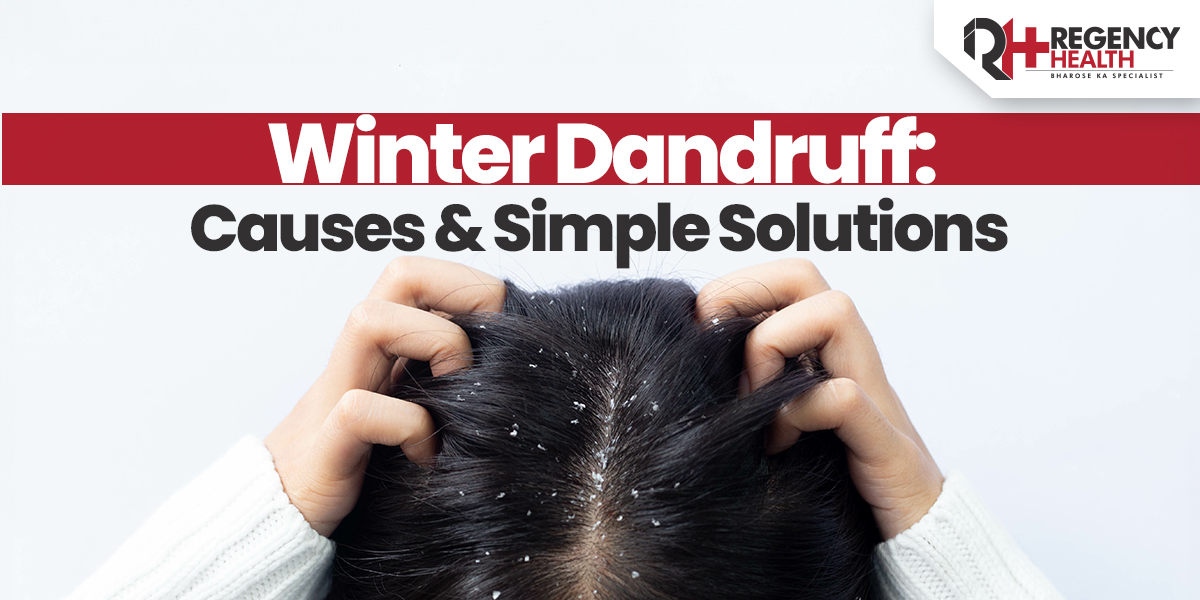
Winter brings relief from the heat, but it can also trigger several scalp problems. One of the most common concerns during colder months is dandruff, a condition many people underestimate until flakes become visible on clothes or itching disrupts daily comfort. While often harmless, unmanaged dandruff can cause scalp irritation, embarrassment, and hair fall concerns if ignored.
Understanding why dandruff becomes worse in winter and how to manage it effectively can help maintain a healthy scalp throughout the season.
What Is Dandruff?
Dandruff is a common scalp condition marked by white or yellow flakes and itching. It occurs when the scalp sheds dead skin cells faster than normal. While mild flaking is natural, dandruff becomes noticeable when excess flakes accumulate and fall onto hair or shoulders.
Contrary to popular belief, dandruff is not caused by poor hygiene alone. In fact, over washing or ignoring scalp health altogether can both worsen the condition.
Why Does Dandruff Worsen During Winter?
Winter creates the perfect environment for dandruff flare-ups due to a combination of environmental and lifestyle factors.
Key winter-related triggers include:
- Dry, cold air that strips moisture from the scalp
- Hot showers that remove natural oils
- Reduced oil (sebum) production
- Wearing woolen caps that trap sweat
- Less frequent hair washing due to cold weather
These conditions weaken the scalp’s protective barrier, allowing irritation and flaking to increase.
What Is Dandruff Caused By?
Several internal and external factors contribute to dandruff. In winter, these causes often overlap and intensify.
Common Dandruff Causes Include:
- Dry scalp due to low humidity
- Malassezia yeast, a naturally occurring fungus that can overgrow
- Oily scalp, which traps dead skin cells
- Sensitivity to hair products (contact dermatitis)
- Medical skin conditions like eczema or psoriasis
- Stress and poor nutrition, which can impact skin health
Understanding the root cause helps in choosing the most effective dandruff treatment instead of relying on trial-and-error remedies.
Dandruff Symptoms
Dandruff symptoms are usually easy to spot, but many people confuse them with dry scalps. Early identification helps prevent worsening.
Common Signs Include:
- White or yellow flakes on scalp, hair, or shoulders
- Persistent itching
- Red or irritated scalp
- Tight or dry scalp feeling
- Increased flaking after shampooing or in cold weather
If symptoms persist despite home care, it may indicate an underlying scalp condition requiring medical attention.
Dry Scalp vs Dandruff: Know the Difference
Many people assume dry scalps and dandruff are the same, but management differs.
Using incorrect treatment; such as heavy oiling for fungal dandruff, can make symptoms worse. Effective Dandruff Treatment OptionsThere is no one-size-fits-all dandruff treatment. The approach depends on severity and underlying cause. 1. Medicated Anti-Dandruff Shampoos Look for active ingredients such as:
Use 2–3 times a week and allow the shampoo to sit for a few minutes before rinsing. 2. Gentle Hair Care Routine
3. Lifestyle & Diet Support
In moderate to severe cases, dermatologists may prescribe topical treatments or medicated lotions. How to Remove Dandruff Safely at HomeIf dandruff is mild, simple steps can help manage it effectively. Helpful Tips:
Consistency is key. Sporadic treatment rarely delivers lasting results. Should You Oil Your Hair If You Have Dandruff?This depends on the cause. If dandruff is due to dry scalp, light oiling may help. However, if caused by fungal overgrowth, oil can worsen flaking. Best approach: Oil sparingly and avoid leaving oil overnight unless recommended by a specialist. When Should You See a Doctor?Seek professional care if:
Consulting a skin specialist at Regency Hospitals, one of the best hospitals in Kanpur, can help identify the exact cause and prevent long-term scalp issues. Preventing Dandruff During WinterPrevention is easier than treatment. Small daily habits make a big difference.
ConclusionDandruff may seem like a minor winter concern, but without proper care, it can persist and affect scalp comfort and confidence. Understanding its causes and following the right management approach helps keep the scalp healthy during colder months. When symptoms continue despite home care, professional guidance ensures effective, long-lasting relief and better overall scalp health. Frequently Asked Questions (FAQs)How do I remove dandruff?Use an anti-dandruff shampoo regularly, maintain proper scalp hygiene, and avoid triggers that worsen flaking. What is dandruff caused by?Dandruff can be caused by dry skin, fungal overgrowth, excess oil production, or sensitivity to certain hair products. What is the best treatment for dandruff?Medicated anti-dandruff shampoos, along with gentle scalp care and healthy lifestyle habits, are the most effective treatments. Should I oil my hair if I have dandruff?Hair oil should be used lightly and not left overnight unless specifically recommended by a medical professional. What’s the difference between dry scalp and dandruff?Dry scalp is caused by lack of moisture, whereas dandruff is usually linked to oil imbalance or fungal overgrowth. Read More: |