
 Call-an-Ambulance
Dengue Fever: All you need to Know
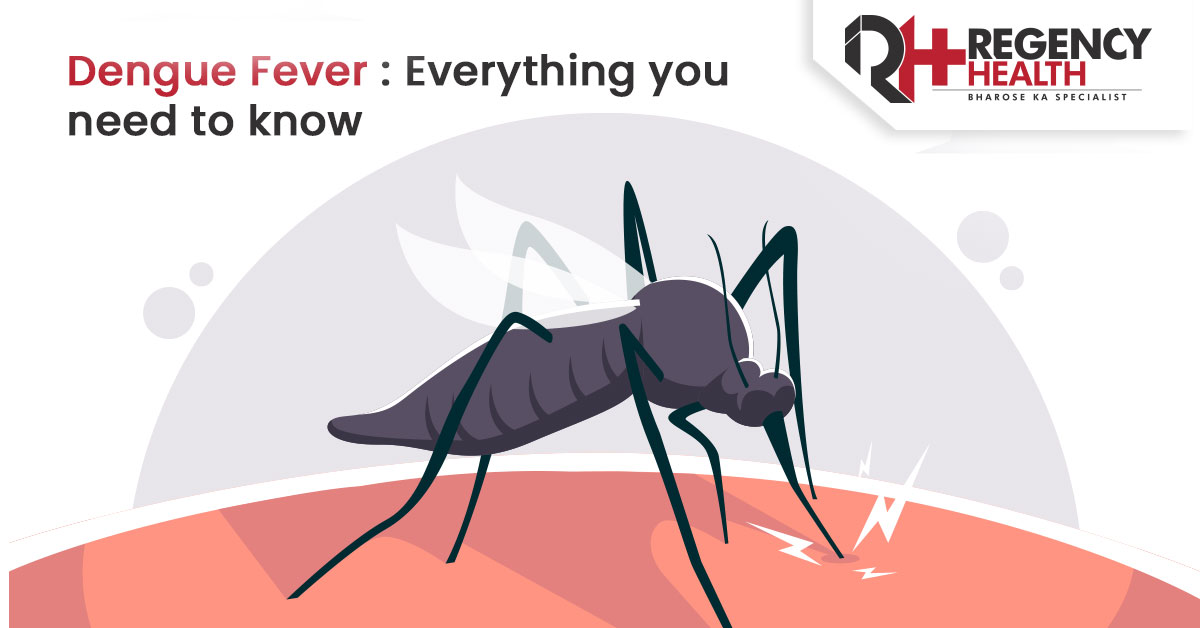
Dengue fever is a mosquito-borne viral infection that can range from a mild, flu-like illness to severe dengue requiring hospital care. Because the early symptoms can resemble other viral infections, knowing the typical dengue fever symptoms, warning signs and appropriate treatment approach is important for timely medical attention.
Dengue is transmitted primarily by infected Aedes aegypti mosquitoes, which are generally active during the daytime. According to the World Health Organization (WHO), symptoms usually begin 4–10 days after infection and commonly last for 2–7 days. Most people recover, but some can develop severe dengue, particularly around the time the fever starts to come down.
What Is Dengue Fever?
Dengue fever is an infection caused by the dengue virus (DENV). It spreads when an infected Aedes mosquito bites a person and transmits the virus. There are four dengue virus serotypes, and infection with one serotype does not provide lifelong protection against the others.
Many dengue infections produce no symptoms or only mild illness. When symptoms occur, high fever is often accompanied by headache, pain behind the eyes, muscle and joint pain, nausea, vomiting or a skin rash.
Dengue Fever Causes
The primary dengue fever causes are infection with the dengue virus and transmission through the bite of an infected female Aedes mosquito. The mosquito becomes infected after biting a person who has dengue and can subsequently transmit the virus to another person.
Factors that can increase the risk of transmission include:
- Standing water where mosquitoes can breed
- Warm and humid weather conditions
- Living in or travelling to dengue-endemic areas
- Inadequate mosquito-control measures
- Increased exposure to mosquito bites during the day
Dengue does not spread simply through casual contact with an infected person. The mosquito plays a central role in transmission.
Common Dengue Fever Symptoms
The symptoms of dengue can appear several days after infection. They may initially look similar to those of influenza or another viral infection, which is why medical evaluation can be important when dengue is circulating in the community.
Common dengue fever symptoms include:
| Symptoms | What it may feel like |
|---|---|
| High fever | Sudden or persistent fever, sometimes reaching 40°C |
| Headache | Strong or persistent headache |
| Pain behind the eyes | Pain or pressure around or behind the eyes |
| Muscle and joint pain | Body aches, bone or joint discomfort |
| Nausea or vomiting | Feeling sick or repeated vomiting |
| Skin rash | Rash that may appear during the illness |
| Fatigue | Weakness and tiredness |
| Swollen glands | Enlarged or tender lymph nodes in some cases |
Not everyone experiences the same combination of symptoms. A blood test and clinical assessment may be required to confirm dengue and distinguish it from other infections.
7 Warning Signs of Dengue Fever You Should Not Ignore
One of the most important things to understand about dengue is that the fever coming down does not always mean the person is recovering. The critical phase can occur around days 3–7 of the illness, and warning signs may become noticeable as the temperature falls.
The following 7 warning signs of dengue fever require prompt medical attention:
1. Severe Abdominal Pain
Severe or persistent pain in the abdomen, especially when accompanied by tenderness, can be a warning sign of severe dengue. Do not ignore sudden or worsening abdominal discomfort, particularly when the fever begins to subside.
2. Persistent Vomiting
Repeated vomiting can lead to dehydration and may indicate that the infection is progressing. If vomiting continues or the person is unable to keep fluids down, medical evaluation is important.
3. Bleeding From the Nose or Gums
Unusual bleeding from the nose or gums can occur in dengue and should be taken seriously. Seek medical advice promptly, especially if bleeding is persistent or occurs along with other warning signs.
4. Blood in Vomit or Stool
Blood in vomit or stool may indicate gastrointestinal bleeding. This is an emergency warning sign and requires immediate medical attention rather than home management.
5. Rapid or Difficult Breathing
Breathing faster than usual or experiencing difficulty breathing can indicate a serious complication of dengue. Immediate medical assessment is recommended if breathing problems develop.
6. Extreme Weakness, Restlessness or Unusual Sleepiness
A sudden increase in weakness, unusual restlessness, confusion or excessive sleepiness may indicate that the patient’s condition is worsening. These changes should be reported to a healthcare professional without delay.
7. Pale, Cold Skin or Excessive Thirst
Pale or unusually cold skin, accompanied by excessive thirst or other signs of dehydration, can indicate circulatory problems. Prompt medical attention is essential, particularly during the critical phase of dengue.
WHO recommends seeking immediate medical care when severe dengue symptoms appear.
Dengue Fever Platelet Count: What Does It Mean?
The dengue fever platelet count often receives considerable attention because platelet levels can fall during dengue infection. Platelets help the blood clot, and thrombocytopenia, or a low platelet count, can occur in dengue.
However, platelet count should not be interpreted on its own. A falling platelet count combined with an increasing haematocrit and clinical warning signs can be more concerning than a single low platelet reading. CDC clinical guidance includes thrombocytopenia and changes in haematocrit among findings that may occur with dengue.
| Finding | Why doctors monitor it |
|---|---|
| Platelet count | Helps assess changes during illness |
| Haematocrit | Can provide information about plasma leakage |
| White blood cell count | Leukopenia can occur with dengue |
| Clinical symptoms | Helps identify warning signs and severity |
| Hydration status | Important for preventing complications |
There is no single platelet number that should be used to decide whether a patient is safe or unsafe. Doctors consider laboratory results alongside symptoms, vital signs, bleeding, hydration and other clinical findings. Therefore, do not rely on home remedies or platelet counts alone to judge the severity of dengue.
How Can Dengue Be Prevented?
Preventing mosquito bites is one of the most effective ways to reduce the risk of dengue. Since Aedes mosquitoes are primarily active during the day, protection should not be limited to nighttime.
Practical preventive measures include:
- Apply an appropriate mosquito repellent.
- Wear clothing that covers the arms and legs.
- Use window screens where possible.
- Use mosquito nets when sleeping during the day.
- Remove stagnant water from containers, coolers, plant trays and other areas around the home.
- Keep water storage containers covered.
- Clean and empty potential mosquito-breeding sites regularly.
WHO recommends environmental measures that prevent mosquitoes from accessing water-filled places where they can lay eggs.
When Should You See a Doctor?
Seek medical attention if you develop symptoms suggestive of dengue, particularly if you live in or have recently travelled to an area where dengue transmission occurs.
Seek urgent medical care if you notice:
- Severe abdominal pain
- Persistent vomiting
- Any significant bleeding
- Blood in vomit or stool
- Difficulty or rapid breathing
- Extreme weakness, restlessness or unusual sleepiness
- Pale, cold skin
- Signs of dehydration or shock
Early recognition of severe dengue and timely access to appropriate medical care can substantially reduce the risk of complications.
Conclusion
Dengue can often be managed successfully when it is identified early and monitored appropriately. The key is not to focus only on fever or platelet count. Changes in symptoms, hydration, blood parameters and warning signs all matter when assessing the illness.
If you are looking for the best hospital in Kanpur for medical evaluation and treatment, Regency Hospitals provides access to professional healthcare services and medical support. If dengue symptoms become severe or warning signs appear, seeking prompt medical attention is more important than waiting for symptoms to resolve on their own.
FAQs
What are the 7 warning signs of dengue?
The 7 warning signs of dengue include severe abdominal pain, persistent vomiting, bleeding from the nose or gums, blood in vomit or stool, rapid or difficult breathing, extreme weakness or unusual restlessness, and pale or cold skin with excessive thirst. These signs can indicate severe dengue and require prompt medical attention.
What is the best treatment for dengue fever?
There is no specific antiviral medicine for dengue. Dengue fever treatment usually focuses on adequate fluids, rest, fever management and regular medical monitoring. Paracetamol may be used for fever or pain when advised by a healthcare professional. Aspirin and ibuprofen are generally avoided because they may increase the risk of bleeding. Severe cases may require hospitalisation.
How many days does dengue fever last?
Dengue fever symptoms typically last 2 to 7 days. The illness commonly begins with a high fever and other symptoms such as headache, body aches, nausea and rash. However, the period when the fever starts to decrease can be critical, so patients should continue monitoring for warning signs rather than assuming recovery has begun.
What are the first signs of dengue fever?
The first signs of dengue fever commonly include sudden high fever, severe headache, pain behind the eyes, muscle and joint pain, nausea, vomiting and sometimes a skin rash. Symptoms usually develop several days after infection and can resemble other viral illnesses, so medical evaluation may be needed for confirmation.
Can I treat dengue at home?
Mild dengue may sometimes be managed at home with adequate fluids, rest, appropriate fever management and guidance from a healthcare professional. However, medical monitoring is important, particularly during the critical phase. If symptoms such as severe abdominal pain, persistent vomiting, bleeding, breathing difficulty, extreme weakness or unusual sleepiness develop, seek urgent medical care.
Read More:
- 12 Common Monsoon Diseases: Symptoms, Prevention & Treatment
- Health Risks of Air Pollution & How to Prevent Them
- Typhoid Fever: Symptoms, Causes, Treatment, and Prevention
- Malaria | Treatment and Causes | Regency Healthcare