
 Call-an-Ambulance
Fatty Liver: Symptoms, Causes, Problems & How to Reduce It Naturally
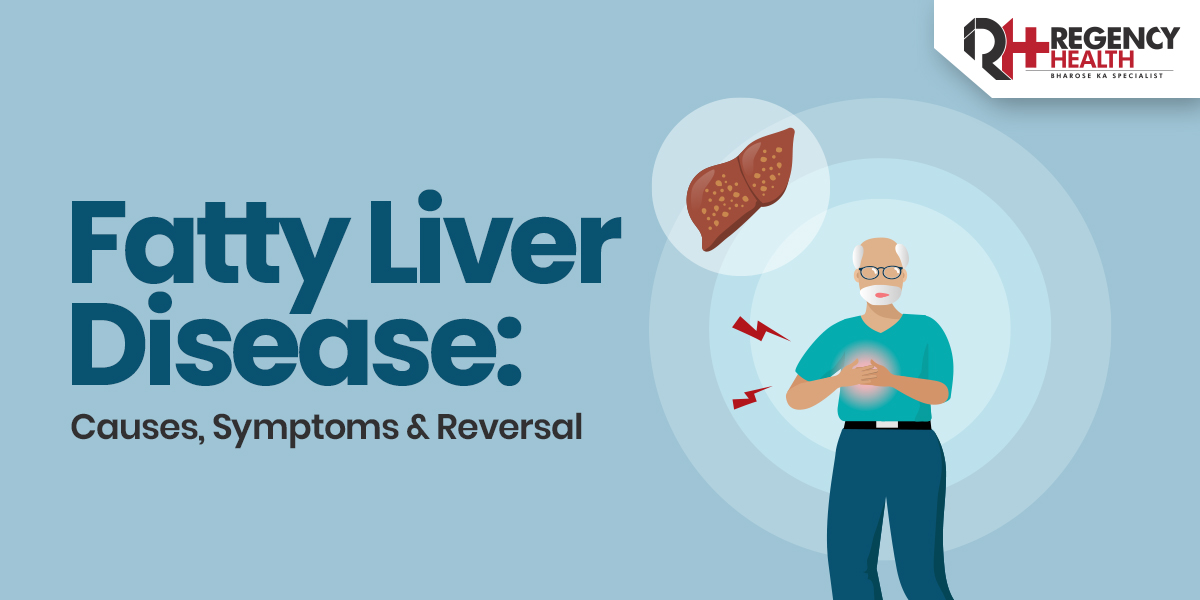
Fatty liver, or hepatic steatosis, occurs when too much fat builds up in the liver. While a small amount of fat is normal, excessive accumulation can affect liver function and, over time, lead to serious health issues. This condition is becoming increasingly common, often linked to lifestyle habits such as poor diet, lack of exercise, and obesity. Recognizing early signs, understanding the underlying causes, and adopting healthy habits can help protect the liver and support overall well-being.
What Is Fatty Liver?
Fatty liver occurs when fat makes up more than 5–10% of the liver’s weight. There are two main types:
- Non-alcoholic fatty liver disease (NAFLD): Occurs in people who drink little or no alcohol.
- Alcoholic fatty liver disease (AFLD): Results from excessive alcohol consumption.
Most people with fatty liver may not notice any symptoms initially, but if left untreated, it can progress to inflammation, scarring, or even liver failure.
Fatty Liver Symptoms
Early stages of fatty liver often go unnoticed, but some common warning signs may include:
Common Fatty Liver Symptoms
Recognizing these symptoms early can help prevent progression to more severe liver disease. Causes of Fatty LiverSeveral factors contribute to fat accumulation in the liver. Some of the most common fatty liver causes include:
Fatty Liver ProblemsIf left untreated, fatty liver can lead to serious health issues, including:
How to Reduce Fatty Liver NaturallyLifestyle modifications are often the most effective approach for managing fatty liver and preventing progression. Some key strategies include: 1. Healthy Diet
2. Regular Exercise
3. Maintain Healthy Weight
4. Limit Alcohol Consumption
5. Monitor Medical Conditions
Medical Treatment for Fatty LiverIn addition to lifestyle changes, doctors may recommend medications in certain cases:
In severe cases with cirrhosis or liver failure, liver transplantation may be considered. Importance of Expert CareManaging fatty liver is most effective under the guidance of an experienced specialist. Consulting the best gastroenterologist in Kanpur at Regency Hospitals enables a comprehensive evaluation, customized treatment plans, and continuous monitoring. Early medical attention combined with a structured approach can help prevent complications and promote long-term liver health. ConclusionFatty liver is a common condition that often develops silently but can progress to serious health concerns if left untreated. Recognizing early symptoms, understanding the causes, and adopting lifestyle changes such as a balanced diet, regular physical activity, and healthy daily habits play a crucial role in reducing liver fat and safeguarding overall health. Seeking timely care from an experienced specialist ensures accurate diagnosis, personalized treatment, and ongoing follow-up. With early intervention and consistent management, fatty liver can be effectively controlled, supporting sustained liver health and overall well-being. Frequently Asked Questions (FAQs)What is fatty liver?Fatty liver is a condition where excess fat accumulates in liver cells, potentially impairing liver function. What are common fatty liver symptoms?Symptoms include fatigue, upper abdominal discomfort, weight loss, jaundice, and swelling in the abdomen or legs. What causes fatty liver?Causes include obesity, poor diet, diabetes, high cholesterol, alcohol intake, and genetic factors. How can I reduce fatty liver naturally?Healthy diet, regular exercise, weight management, limiting alcohol, and controlling underlying medical conditions can help. Can fatty liver lead to serious problems?Yes, untreated fatty liver can progress to NASH, cirrhosis, liver cancer, cardiovascular disease, and even liver failure. Read More:
|