
 Call-an-Ambulance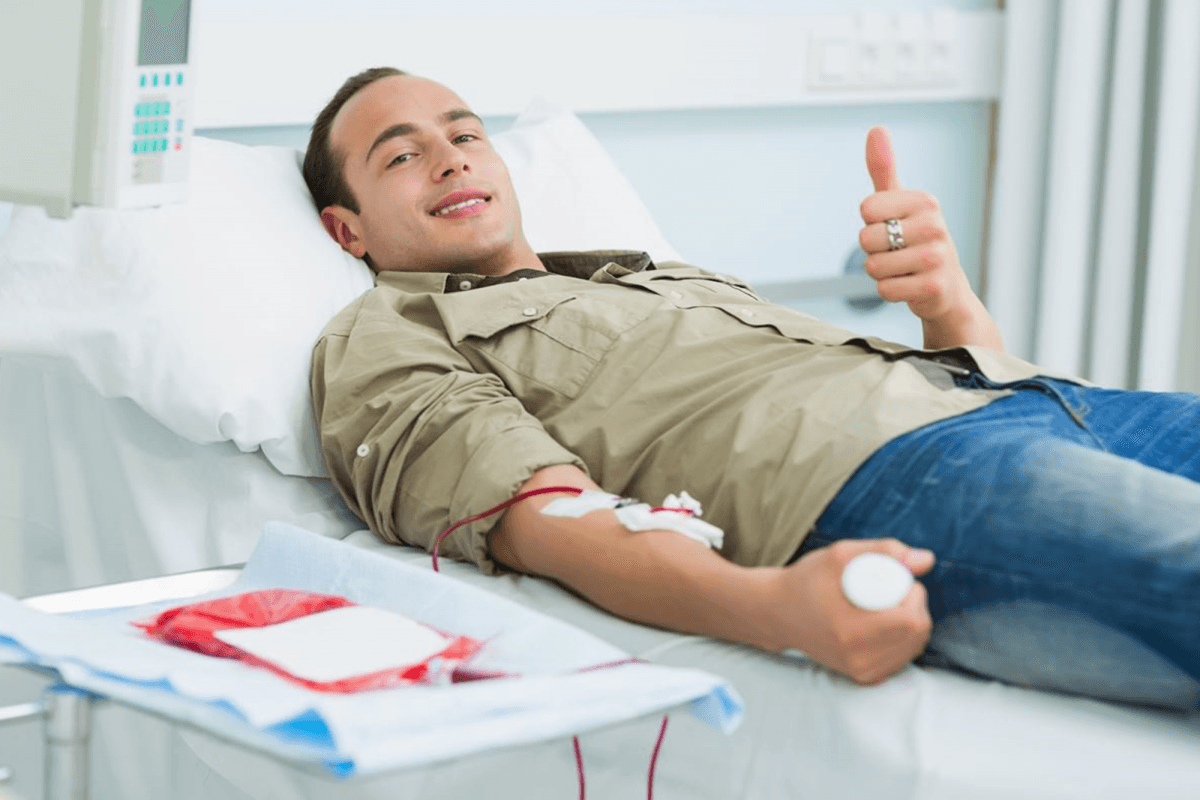
Blood donation is a simple act that can make a meaningful difference to someone in an emergency, during surgery, after major blood loss or while receiving treatment for certain illnesses. Blood components are also needed by people with severe anemia, blood disorders, cancer and pregnancy-related complications. Because donated blood has a limited shelf life, hospitals and blood centres need a regular supply from healthy voluntary donors.
For a first-time donor, however, questions are common. What should you eat before donating? Can you donate if you have a tattoo? Should you exercise afterwards? Are there any foods or medicines you should avoid?
Knowing the right do’s and don’ts can make the experience safer and more comfortable. It is also important to remember that eligibility rules can vary by country and blood centre. In India, the final decision is made after the donor’s health history and pre-donation assessment are reviewed by the blood centre.
What Are The Benefits Of Blood Donation?
The most important benefits of blood donation are related to helping patients who need blood or blood components. One donation may be separated into red blood cells, plasma and platelets, allowing different components to be used for different patients.
Some of the key benefits of blood donation include:
- Helping patients who have lost significant amounts of blood due to accidents, surgery or other emergencies
- Supporting people undergoing cancer treatment or treatment for certain blood disorders
- Helping patients with severe anaemia and other conditions requiring transfusion
- Contributing to a more reliable supply of blood for hospitals
- Encouraging regular voluntary donation, which helps maintain adequate blood stocks
It is worth correcting a common misconception here. Blood donation should not be promoted as a way to “detox” the body or as a guaranteed method of improving general health. The primary purpose of blood donation is to provide safe blood and blood components to people who medically need them.
Who Can Donate Blood In India?
General eligibility criteria include being in good health, meeting the required age and weight limits, and passing the blood centre’s screening process. According to India’s e-RaktKosh, whole blood donors generally need to be 18 to 65 years old and weigh at least 45 kg. Donors should also be healthy and free from conditions that could make donation unsafe for themselves or the recipient.
The exact criteria can depend on the type of donation and the individual’s health history. A blood centre may temporarily defer someone because of an illness, medication, recent procedure, travel history or other factors.
Quick eligibility guide
| Factor | General guidance in India |
|---|---|
| Age | Usually 18 to 65 years for whole blood donation |
| Weight | Generally at least 45 kg for whole blood donation |
| Health | You should be well and physically fit on the day of donation |
| Haemoglobin | Must meet the blood centre’s required level |
| Recent infection | Donation may need to be postponed until recovery |
| Tattoo or piercing | A temporary deferral may apply, depending on when and where it was performed |
| Medication | Some medicines may require temporary or permanent deferral |
| Pregnancy | Blood donation is not permitted during pregnancy |
These are general guidelines, not a substitute for the blood centre’s screening process.
Do’s Before Donating Blood
1. Eat a light, balanced meal
Do not arrive at the blood centre on an empty stomach. India’s e-RaktKosh recommends having a light, non-oily meal around two to three hours before donation.
Good choices can include a normal balanced meal containing whole grains, vegetables, fruit and a source of protein. Avoid making the meal excessively heavy or greasy.
2. Stay well hydrated
Drink enough fluids before your appointment. Being adequately hydrated can make the donation process more comfortable and may help reduce the likelihood of feeling light-headed afterwards.
Water is a simple choice. You can also have other non-alcoholic fluids according to your usual diet.
3. Pay attention to iron intake
Regular donors need to pay attention to iron because blood donation removes red blood cells and therefore some iron from the body. Eating iron-containing foods such as pulses, beans, leafy green vegetables, eggs, meat and fortified foods can support normal iron intake.
If you donate regularly, speak with a healthcare professional if you are concerned about iron deficiency rather than starting supplements on your own. Pre-donation haemoglobin screening helps identify people who should not donate that day.
4. Get adequate sleep
A good night’s sleep can help you feel more comfortable during and after donation. India’s e-RaktKosh donor questionnaire specifically asks about having at least six hours of sleep before donation.
5. Tell the blood centre about your health
Be honest about your medical history, medications, recent illnesses, travel, tattoos, piercings and other relevant factors. The screening questions are designed to protect both the donor and the person receiving the blood.
Do not hide information because you are worried about being rejected. A temporary deferral simply means you may be able to donate at a later date.
Don’ts Before Donating Blood
1. Don’t donate when you are unwell
Postpone your donation if you have fever, an active infection or are feeling unwell. Donating when you are sick can put unnecessary strain on your body and may also affect the safety of the blood supply.
If you are taking antibiotics, tell the blood centre. Whether you need to wait depends on the underlying infection and the medicine being used.
2. Don’t drink alcohol before donating
Alcohol can contribute to dehydration and may affect how you feel during or after donation. India’s e-RaktKosh guidance advises donors not to have consumed alcohol in the previous 24 hours.
3. Don’t smoke immediately around the donation
Smoking around the time of donation may make dizziness or light-headedness more likely. Avoid smoking immediately before and after donation and follow the blood centre’s instructions.
4. Don’t have a very fatty meal immediately before donation
A heavy, greasy meal is not ideal before donating. Blood centres may also advise avoiding fatty foods because excessive fat in the blood can interfere with certain laboratory testing of donated blood.
This does not mean you need to completely avoid dietary fat in the days leading up to donation. The practical advice is simply to choose a normal, balanced meal rather than fast food or an unusually heavy meal.
Can A Person With A Tattoo Donate Blood?
Yes, having a tattoo does not automatically mean you can never donate. However, can a person with a tattoo donate blood depends on when the tattoo was done, where it was performed and the blood centre’s current eligibility rules.
India’s e-RaktKosh screening questionnaire asks whether a donor has had a tattoo, piercing or acupuncture within the previous six months. This means a recent procedure may result in temporary deferral.
The reason is not the tattoo itself. Procedures that puncture the skin can carry a risk of blood-borne infection if appropriate sterile practices are not followed. Because transfusion recipients can be medically vulnerable, blood services take these risks seriously.
Always disclose a recent tattoo or piercing during screening rather than assuming you are eligible.
What Happens During Blood Donation?
The process is generally straightforward:
- Registration: You provide the required details and complete the donor questionnaire.
- Health screening: Staff check relevant health information and may assess your pulse, blood pressure, temperature, weight and haemoglobin.
- Donation: A sterile, single-use blood collection kit is used to collect blood from a vein, usually in the arm.
- Rest and refreshments: You are given time to rest and usually offered something to eat or drink.
In India, e-RaktKosh states that the actual blood collection generally takes around six to ten minutes, although the overall visit takes longer because of registration and screening.
Do’s And Don’ts After Donating Blood
| Do | Don’t |
|---|---|
| Drink extra fluids for the next 24 to 48 hours | Avoid strenuous physical activity immediately afterwards |
| Have a balanced meal | Don’t skip meals if you feel weak or light-headed |
| Rest if you feel dizzy | Don’t continue normal activity if you feel faint |
| Keep the arm comfortable after donation | Avoid heavy lifting with the donation arm for the period advised by the blood centre |
| Follow the staff’s post-donation instructions | Don’t smoke or consume alcohol immediately after donation |
India’s e-RaktKosh recommends increasing fluid intake for 24 to 48 hours, avoiding strenuous exertion and heavy lifting for about five hours, and eating balanced meals during the following 24 hours. If you feel faint, sit or lie down until the sensation passes. If symptoms are severe, persistent or unusual, inform the blood centre staff or seek medical attention.
How Often Can You Donate Blood?
The interval depends on the type of donation and national guidelines. India’s e-RaktKosh currently lists an interval of 90 days for male whole-blood donors and 120 days for female whole-blood donors.
People who donate regularly should not assume that more frequent donation is automatically better. Repeated donations can reduce iron stores, so donor health and haemoglobin levels need to be considered.
Common Myths About Blood Donation
Does donating blood make you weak permanently?
No. A healthy, eligible donor’s body replaces the fluid portion of donated blood relatively quickly. Red blood cells take longer to replenish, which is why donation intervals and eligibility screening are important.
Can I donate if I know my blood group?
Knowing your blood group is useful, but it does not determine eligibility by itself. A donor must still pass the health and safety screening.
Can O blood group donate to anyone?
The statement that O blood group can donate to everyone is an oversimplification. O negative red blood cells are commonly considered the universal red-cell donor type in emergency settings, but blood transfusion compatibility is more complex. Hospitals perform blood grouping and compatibility testing before transfusion whenever possible.
Conclusion
The benefits of blood donation extend far beyond the few minutes spent in a blood centre. A healthy donor can help provide a critical resource for patients who need transfusions. Eat appropriately, stay hydrated, answer screening questions honestly and follow post-donation instructions.
For blood banking and transfusion-related services, you can explore Regency Hospitals, a best hospital in Kanpur, and its blood bank services.
FAQs
What are the main benefits of blood donation?
The most important benefits of blood donation are helping maintain a safe blood supply and providing blood components to patients who need transfusions because of surgery, trauma, severe anaemia, cancer treatment and other medical conditions.
What should I eat before blood donation?
Have a light, balanced and non-oily meal around two to three hours before donation. Avoid donating on an empty stomach and drink adequate fluids.
Can I drink coffee before donating blood?
There is no universal rule that every donor must avoid coffee. However, water and other non-alcoholic fluids are preferable for hydration. If caffeine usually makes you feel shaky or light-headed, it may be sensible to avoid it around the time of donation.
Can a person with tattoo donate blood?
Yes, potentially. A recent tattoo may lead to temporary deferral, particularly if it falls within the blood centre’s specified waiting period. In India, e-RaktKosh currently screens for tattoos, piercings and acupuncture performed within the previous six months.
What are the main blood donation benefits for the recipient?
The major blood donation benefits are that donated blood and its components can support people experiencing blood loss, severe anaemia, cancer-related conditions, surgical needs and other situations requiring transfusion. A single donation may be separated into components that can be used for different patients.
What should I do if I feel dizzy after donating?
Stop what you are doing and sit or lie down. Tell the blood centre staff if you are still at the donation site. Drink fluids and rest. Seek medical advice if dizziness is severe, persistent or accompanied by other concerning symptoms.
Are there any risks associated with donating blood?
Blood donation is generally safe for eligible donors when performed by trained staff using sterile, single-use equipment. Some people may experience temporary effects such as bruising, mild soreness or light-headedness. Proper screening helps protect both donors and recipients.
Read More:
- Organ Donation Myths | Regency Healthcare
- Cord Blood Banking: A Parent’s Guide – Regency Healthcare
- What is Hemophilia? – Types, Cause, Treatment & More
- COPD – Symptoms, Causes & Treatment – Regency Healthcare Ltd.