

 Call-an-Ambulance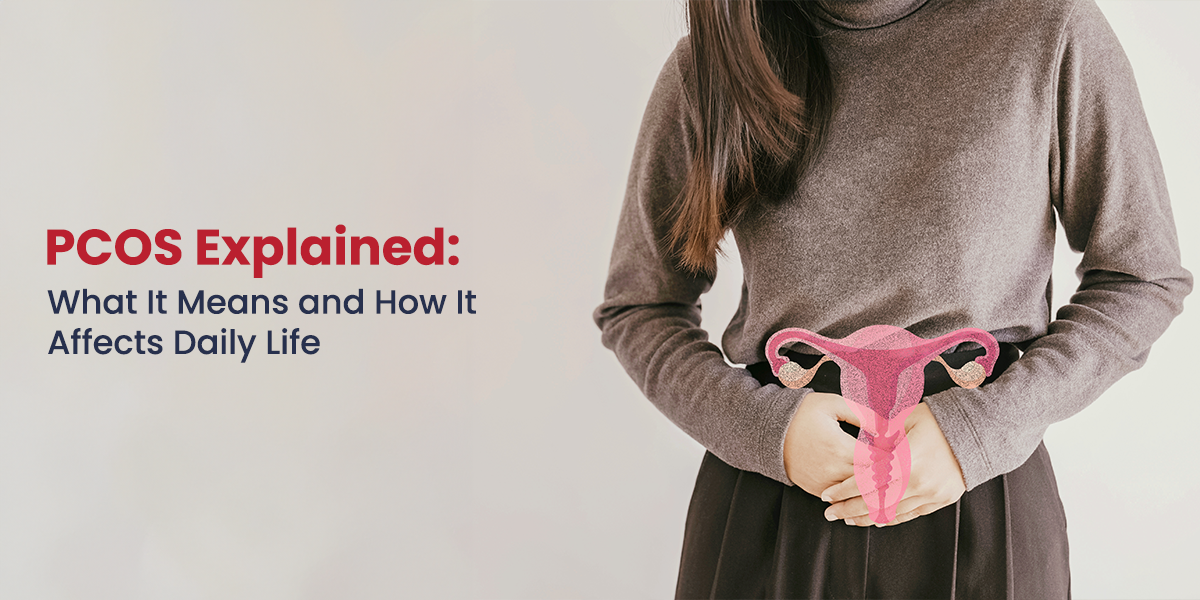
Polycystic Ovary Syndrome (PCOS) is a widely prevalent hormonal imbalance found among women of reproductive age. It comprises a variety of symptoms and health complications that significantly impact one's daily life.
Blogs
Your guide to all the latest updates about the trending health topics.
Polycystic Ovary Syndrome (PCOS) is a widely prevalent hormonal imbalance found among women of reproductive age. It comprises a variety of symptoms and health complications that significantly impact one's daily life.
Menopause is a natural biological stage in a woman’s life that typically occurs between the ages of 45 and 55. It marks the end of menstrual cycles and fertility. While it is a normal part of aging, menopause can bring a range of physical and emotional changes due to declining levels of estrogen and progesterone. Recognizing the symptoms and knowing how to manage them can greatly improve quality of life during this transition.
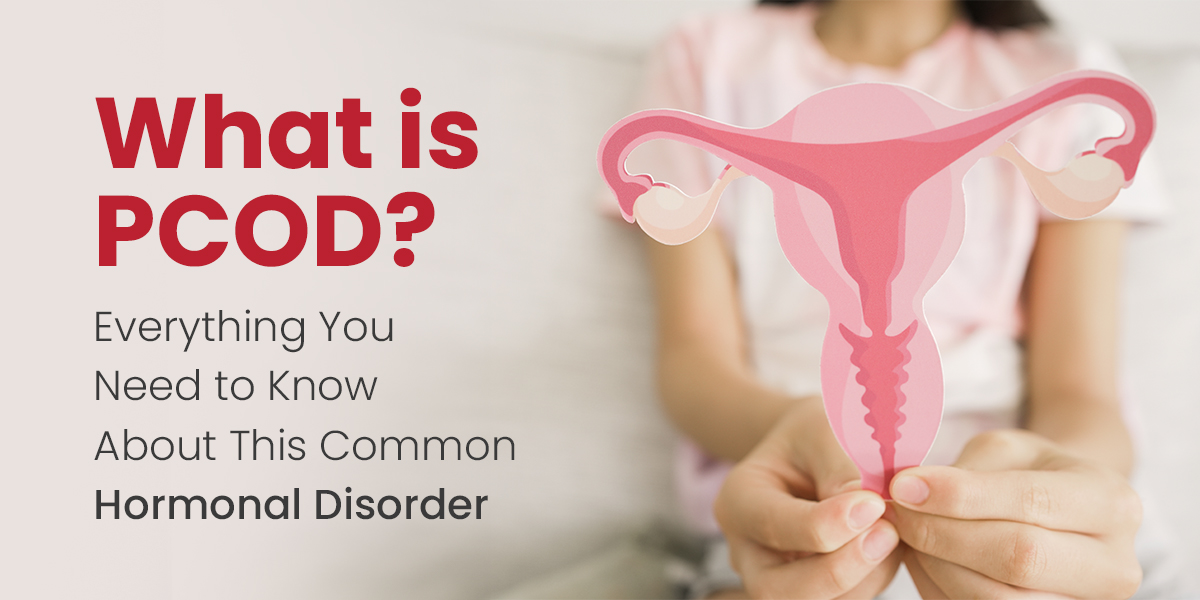
Polycystic Ovary Disease (PCOD) or Polycystic Ovary Syndrome (PCOS) often cause confusion due to their similar names and overlapping symptoms. While we’ll delve into the differences between the two later, let’s first explore PCOD.

Endometriosis is a disorder in which tissue similar to the tissue that forms the inner lining of your uterus grows outside of your uterine cavity. The lining of your uterus is called the endometrium. It most commonly involves your ovaries, fallopian tubes, and the tissue lining your pelvis. Rarely, endometrial tissue may spread beyond pelvic organs.
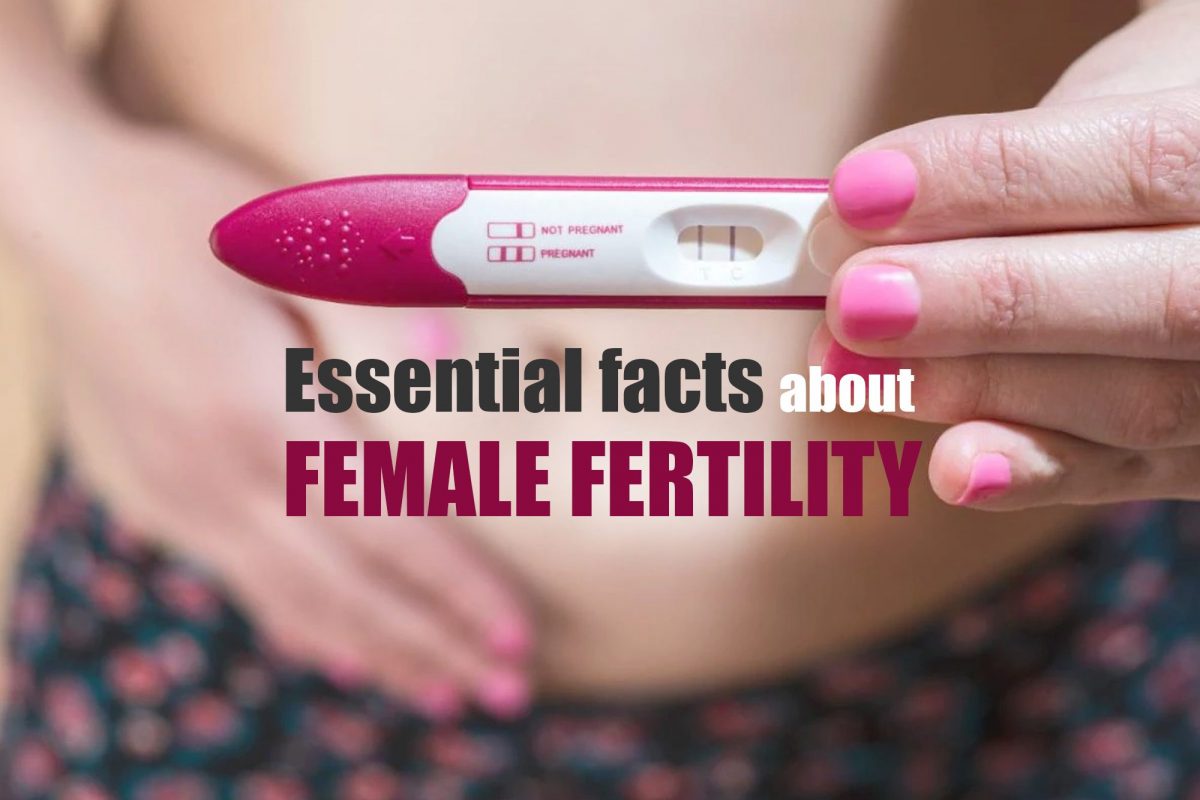
Fertility for women is defined as the ability to conceive children. Every couple trying to conceive should be aware of some essential facts about reproduction and female fertility because correct knowledge will empower them to take the right decisions regarding their reproductive health.
Breast cancer is one of the most common cancer among women in India. But the good news is that breast cancer isn’t what it was years ago. Survival rates of breast cancer cases are higher now. Thanks to greater awareness, early detection, and advances in treatment.
Of all the cancers affecting women, cervical cancer has become the second most commonly known cause of cancer-related deaths in India. On an average, there are about 122,000 new cases of cervical cancer detected annually in our country, out of which 67,500 women succumb to the disease due to lack of knowledge about it.
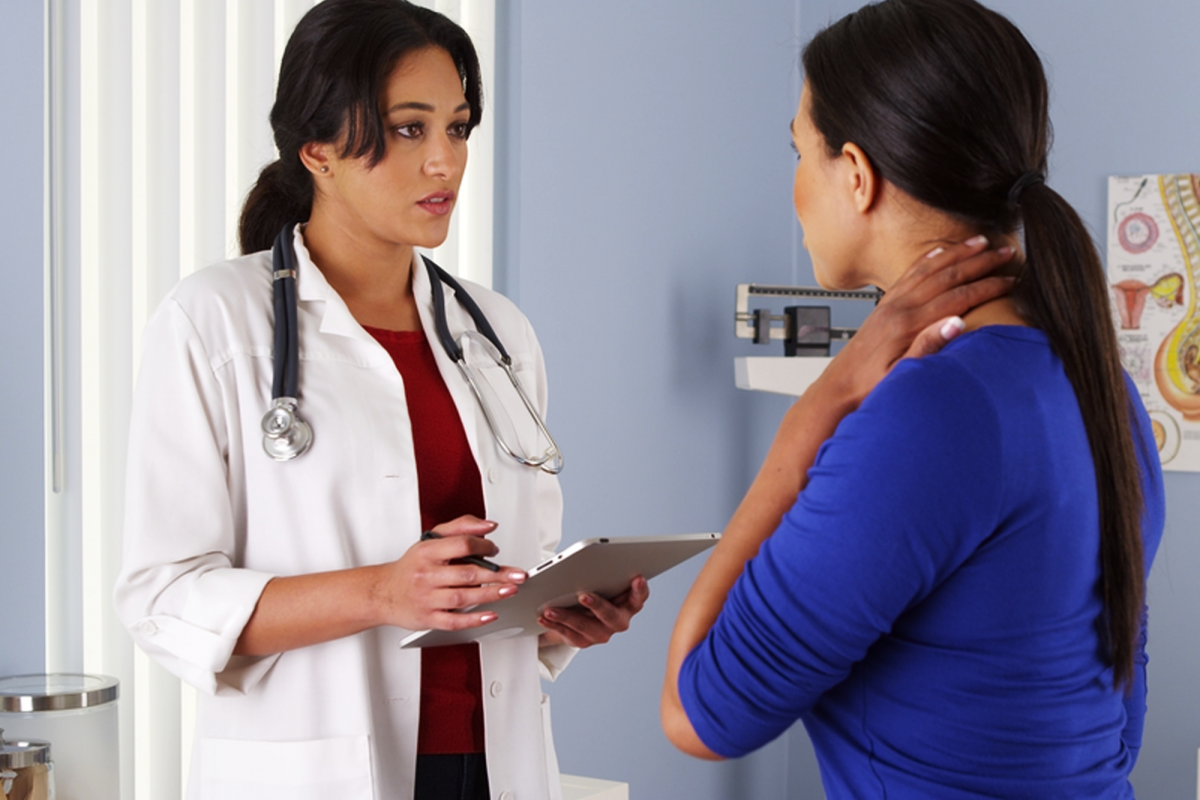
It is normal for many women to feel nervous or uncertain before their visit to the gynecologist. It means accepting the fact that you have stepped from girlhood into womanhood. A gynecologist helps you listen to your body more carefully. With regular gynaecological check-up, you can take control of your physical, sexual, and reproductive well-being including - birth control, childbirth, and menopause. An ob-gyn also screens for cancer, treats infections, and performs surgery for pelvic organ or urinary tract problems.

Pregnancy marks the onset of parenthood. We often think that we only become a parent after the birth, but it really starts at conception. During the phase of pregnancy, everything we eat, drink, breathe, say, think… becomes relevant in a whole new way altogether.

Endometriosis refers to a painful disorder in which tissue that normally lines the inside of the uterus, the endometrium, grows outside the uterus. Endometriosis most commonly involves the ovaries, fallopian tubes, and the tissue lining the pelvis. Rarely, endometrial tissue may spread beyond pelvic organs.