
 Call-an-Ambulance
Liver Detox: 10 Easy Ways to Detox Your Liver
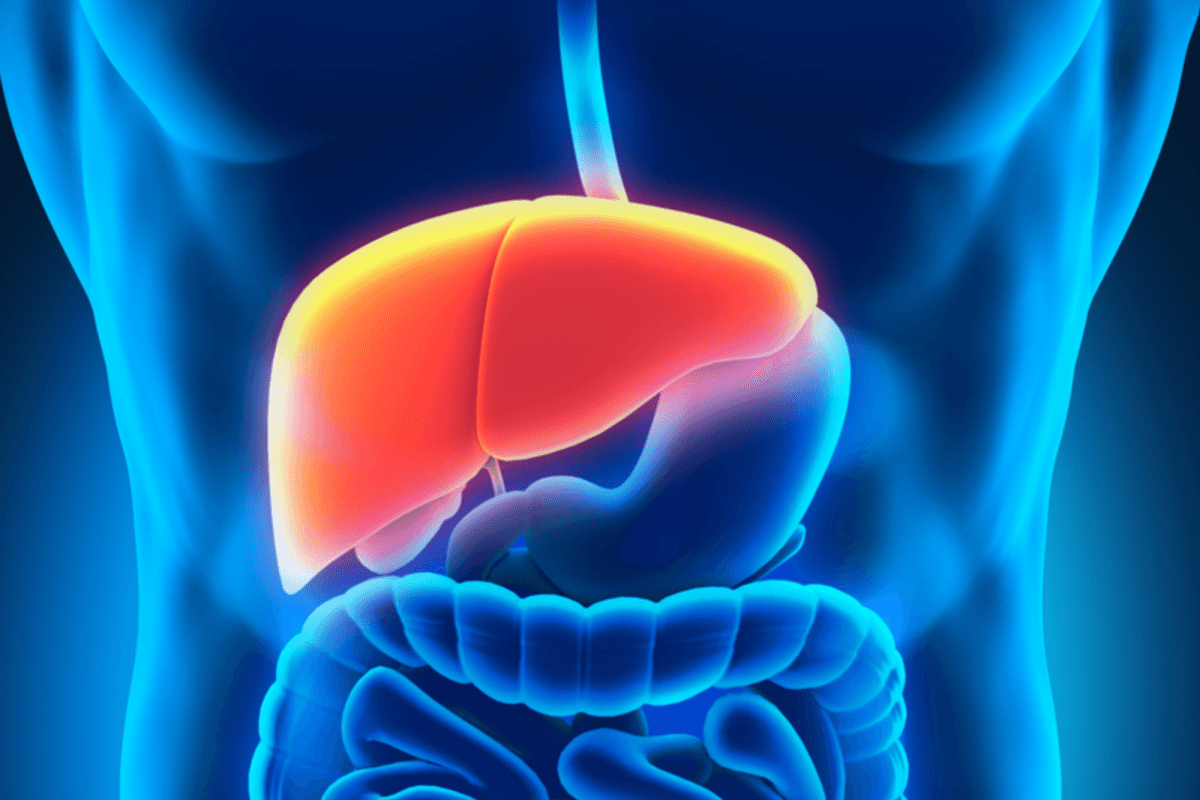
The liver is among the most vital body organs. Performing more than 500 functions, the major roles include filtering toxins from the blood, aiding digestion, regulating cholesterol, and supporting immunity. Due to increased exposure to processed foods, alcohol, pollution, stress, and long-term medication intake, many people today seek methods of ensuring liver detox safety and going about it naturally.
Keep in mind that the liver has the capacity for self-detoxification. Still, it is slowed down when one indulges in unhealthy habits. The most effective and medically reliable way of keeping the liver working optimally is to make sure daily lifestyle choices support this organ. The following are ways through which one can detoxify their liver naturally, rather than with extreme cleanses or misleading detox trends.
Signs Your Liver May Be Under Stress
While liver issues often remain silent in early stages, certain symptoms may indicate that your liver is overburdened.
| Symptoms | What It May Indicate |
|---|---|
| Persistent fatigue | Reduced detox efficiency |
| Bloating or indigestion | Poor bile production |
| Dull or acne-prone skin | Toxin buildup |
| Frequent headaches | Sluggish toxin clearance |
| Dark urine | Liver overload |
| Right-side abdominal discomfort | Liver inflammation |
If these symptoms persist, consulting a qualified specialist, such as the best gastroenterologist in Lucknow, at any of the Regency Hospitals is advisable rather than relying only on home remedies.
10 Easy and Natural Ways to Support Liver Detox
1. Stay Properly Hydrated
Water plays a key role in flushing toxins from the body. Adequate hydration supports kidney and liver function, making toxin elimination more efficient. Aim for 8 to 10 glasses of water daily. Warm water with lemon can gently stimulate digestion and liver enzymes.
2. Eat Liver-Friendly Foods
A balanced diet is the foundation of natural liver detox. Certain foods help neutralize toxins and reduce inflammation.
| Food | How It Helps the Liver |
|---|---|
| Leafy greens | Improve bile flow |
| Beetroot | Supports blood purification |
| Garlic | Activates detox enzymes |
| Turmeric | Reduces inflammation |
| Citrus fruits | Boost liver enzymes |
| Walnuts | Aid ammonia detox |
Including these foods regularly helps reduce the liver’s workload.
3. Include Liver Detox Drinks in Moderation
Homemade liver detox drinks can support hydration and nutrient intake when used sensibly.
| Liver Detox Drink | Key Benefit |
|---|---|
| Warm water with lemon | Stimulates bile flow |
| Beetroot juice | Supports detox pathways |
| Green smoothies | Rich in antioxidants |
| Cucumber mint water | Improves hydration |
| Amla water | Supports liver enzymes |
Avoid commercial detox products that claim instant cleansing, as they often lack scientific backing.
4. Limit Alcohol Consumption
Alcohol is one of the leading causes of liver damage. Reducing or eliminating alcohol allows liver cells to repair themselves. Even short-term reduction can significantly improve liver enzyme levels.
5. Increase Fiber Intake
Fiber helps bind toxins in the digestive tract and prevents their reabsorption. Whole grains, fruits, vegetables, legumes, and seeds support digestion and are essential when learning how to detox liver at home safely.
6. Maintain a Healthy Weight
Excess fat around the abdominal wall is a well-known risk factor in the progression of fatty liver disease. Weight loss, through focused nutrition combined with regular physical activity, reduces liver fat and improves metabolic health. Crash diets must be avoided; these can actually increase liver stress.
7. Exercise Regularly
Physical activity enhances insulin sensitivity and diminishes the accumulation of fat in the liver. Even moderate exercise, such as walking, yoga, or cycling for 30 minutes daily, supports the long-term detoxification process of the liver.
8. Prioritize Quality Sleep
Much of the repair and detoxification is done by the liver during sleep. Poor sleep disrupts metabolism and increases inflammation. Aim for 7 to 8 hours of restful sleep every night.
9. Be Careful With Medications and Supplements
Overusing painkillers and taking unverified supplements places a burden on the liver. Always follow dosages as prescribed and consult your doctor before starting any supplement for how to detox liver.
10. Manage Stress Effectively
Chronic stress influences digestion and hormonal balance, thereby affecting the liver indirectly. Breathing exercises and mindfulness help control stress hormones and support the liver.
Daily Habits That Support Liver Detox
Daily lifestyle choices play a major role in how efficiently your liver performs its detoxification functions. Small, consistent habits reduce the toxin buildup and support long-term liver health without the need for extreme measures.
| Habit | Why It Matters |
|---|---|
| Drinking enough water | Flushes waste products |
| Regular physical activity | Reduces liver fat |
| Balanced meals | Lowers toxin load |
| Adequate sleep | Supports liver repair |
| Limiting alcohol | Prevents liver damage |
| Stress management | Balances hormones |
When practiced regularly, these habits strengthen the liver’s natural ability to detoxify and regenerate. Over time, they also reduce the risk of chronic liver conditions and metabolic disorders.
Myths vs Facts About Liver Detox
There is a lot of misinformation surrounding liver detox programs, often promoted through social media or commercial products. Understanding the difference between myths and medical facts helps you make safer, informed choices.
| Myth | Reality |
|---|---|
| Liver cleanses remove toxins instantly | Detox is a continuous process |
| Detox teas cure liver disease | No medical evidence |
| Fasting resets the liver | Can increase liver stress |
| Supplements are always safe | Some may harm the liver |
Believing in quick-fix detox solutions delays proper care and sometimes worsens liver health. Sustainable lifestyle changes remain the most reliable method of supporting liver function.
Early Warning Signs of Fatty Liver Disease
Fatty liver disease often presents silently, especially in the early stages of the disease. The majority of people are never aware of it until liver abnormalities show up in routine blood tests or other imaging studies.
| Early Signs | Why It Happens |
|---|---|
| Fatigue | Fat buildup in liver cells |
| Mild abdominal discomfort | Liver enlargement |
| Weight gain | Insulin resistance |
| Elevated liver enzymes | Inflammation |
Identifying fatty liver early allows timely lifestyle changes that can reverse the condition. Ignoring these signs may lead to progressive liver damage over time.
Conclusion
The liver does not need severe cleanses or extreme detox programs if it is healthy. Hydration, proper nutrition, regular exercise, adequate sleep, and minimizing toxin exposure support the liver best and safest. Consistent habits are what constitute the true detox of the liver and its long-term health.
Persistent digestive problems, fatigue, or abnormal liver test results should be investigated with timely medical advice. At Regency Hospitals, you will find experienced specialists and advanced diagnostic facilities to help evaluate your liver health and get personalized treatment.
Frequently Asked Questions
How to flush your liver?
The safest way to flush the liver is by supporting its natural detox process. Drink enough water, eat whole foods, reduce alcohol intake, stay active, and get proper sleep. Exclude excessive detox programs.
What are signs you need a liver cleanse?
Symptoms can include bloating, constant fatigue, dull skin, headaches, and digestive discomfort, which could indicate an overloaded liver. These signs usually improve with healthier lifestyle choices.
What are the first signs of a bad liver?
Early signs include fatigue, nausea, itching, dark urine, pale stools, and discomfort on the right side of the abdomen. Persistent symptoms require medical evaluation.
What fruit cleans the liver?
Fruits such as lemon, apple, berries, grapefruit, and papaya support natural liver detox due to their fiber, antioxidants, and vitamin C content.
What are the first signs of fatty liver?
Fatty liver often has no early symptoms. Some people experience tiredness or mild abdominal discomfort. Blood tests or imaging usually detect it early.
Read More:
- Liver Disease: Causes, Types, Symptoms and Treatment
- Fatty Liver: Symptoms, Causes, Problems & How to Reduce It Naturally
- Liver Cancer: Symptoms, Causes, Types, Signs and Treatment Options
- Understanding Hepatitis: Causes, Symptoms and Treatment