
 Call-an-Ambulance
Understanding The Causes, Diagnosis, And Treatment Of HIV/AIDS
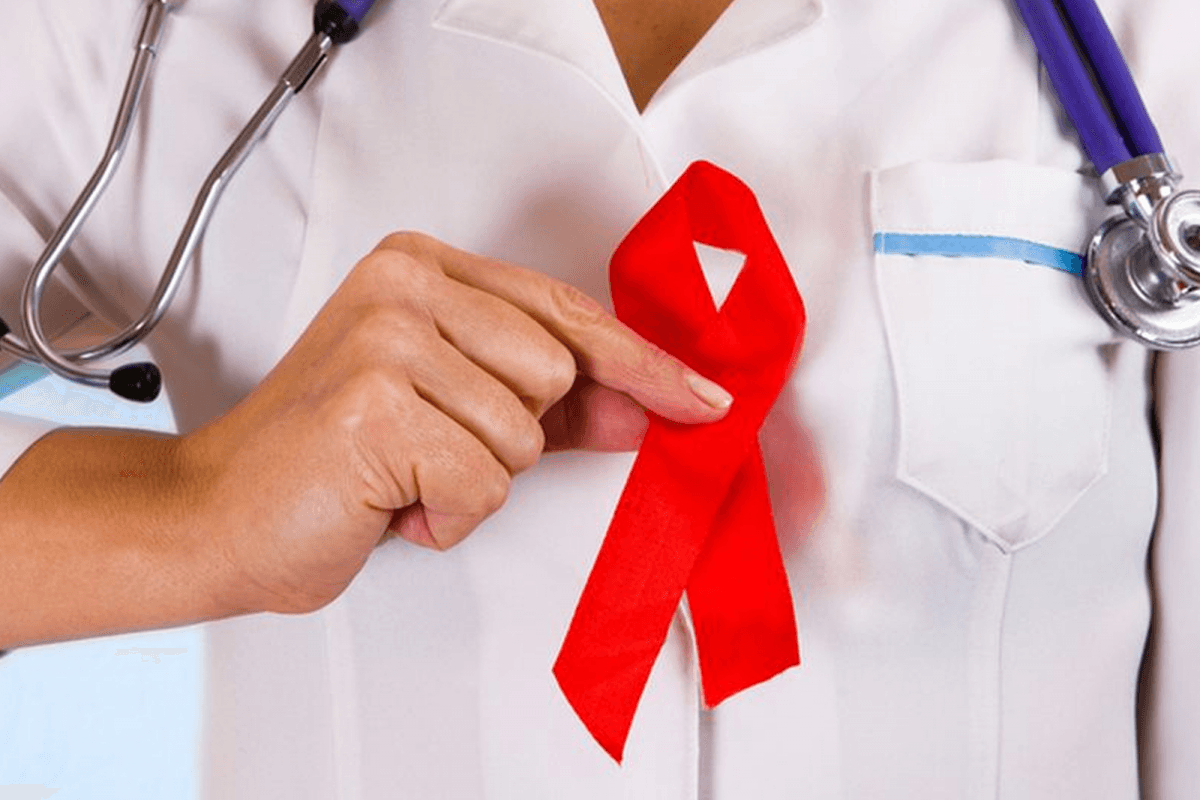
HIV/AIDS remains an important health condition, but advances in testing and treatment have significantly changed how it is managed. HIV can often be detected through testing before serious symptoms develop, and effective treatment can suppress the virus and help people live long, healthy lives.
Understanding how HIV spreads, recognising possible symptoms and knowing when to get tested can help people make informed healthcare decisions without relying on assumptions or stigma.
What Is HIV/AIDS?
HIV stands for human immunodeficiency virus, a virus that attacks cells of the immune system and gradually weakens the body’s ability to fight certain infections and diseases. AIDS, or acquired immunodeficiency syndrome, refers to the most advanced stage of HIV infection. Without treatment, HIV can progress to AIDS, often over several years.
Having HIV does not automatically mean a person has AIDS. With effective antiretroviral therapy (ART), HIV can be controlled, and progression of the disease can be prevented.
What Causes HIV/AIDS?
The causes of HIV/AIDS relate to exposure to certain body fluids from a person living with HIV. These include blood, semen, vaginal fluids, and breast milk. Transmission occurs when the virus enters the body through activities or situations that allow exposure to these fluids.
The main routes of transmission include:
- Sexual transmission: HIV can spread through vaginal or anal sex when effective prevention measures are not used.
- Sharing needles or syringes: Using contaminated injection equipment can expose a person to infected blood.
- Mother-to-child transmission: HIV can pass from mother to baby during pregnancy, childbirth or breastfeeding.
- Unsafe medical or piercing procedures: Unsterile equipment can carry a risk of blood-borne transmission.
- Infected blood exposure: Receiving contaminated blood or blood products can transmit HIV, although screened blood supplies greatly reduce this risk.
HIV is not spread through ordinary social contact. Hugging, shaking hands, sharing food or water, or using the same toilet does not transmit the virus.
What Are the Symptoms of HIV/AIDS?
HIV/AIDS symptoms can vary according to the stage of infection. Some people develop a flu-like illness during the first few weeks, while others may have no noticeable symptoms. This makes testing particularly important when there has been a possible exposure.
Early HIV Symptoms
Early infection may cause symptoms such as:
- Fever
- Headache
- Sore throat
- Skin rash
- Swollen lymph nodes
- Fatigue
These symptoms are not specific to HIV and can occur with many common infections. They should therefore not be used to determine whether someone has HIV.
Symptoms in Advanced HIV/AIDS
Without effective treatment, progressive damage to the immune system can lead to problems such as unexplained weight loss, prolonged fever, diarrhoea, cough and recurrent or severe infections. Advanced HIV can also be associated with certain cancers and opportunistic infections that take advantage of a weakened immune system.
How Is HIV/AIDS Diagnosed?
The only reliable way to know whether someone has HIV is through an HIV test. Different tests look for different markers of infection, and their ability to detect HIV depends partly on how soon testing is performed after exposure.
Types of HIV Tests
- Antibody tests detect antibodies produced by the immune system in response to HIV.
- Antigen/antibody tests look for both HIV antibodies and the p24 antigen, allowing infection to be identified earlier than antibody-only testing in many cases.
- Nucleic acid tests (NATs) look directly for HIV genetic material and can detect infection earlier than the other commonly used tests.
Understanding the Window Period
A test cannot detect HIV immediately after infection. The time between potential exposure and when a particular test can reliably detect infection is known as the window period.
For example, a laboratory antigen/antibody test using blood from a vein can usually detect HIV around 18–45 days after exposure, while a NAT can generally detect it around 10–33 days after exposure. The exact timing can vary, so people with a recent possible exposure should discuss the appropriate testing schedule with a healthcare professional.
What Happens After a Positive Test?
A reactive screening result is not necessarily the final diagnosis. Follow-up testing is used to confirm whether HIV infection is present. Once HIV is confirmed, healthcare professionals may assess immune status and viral load to guide ongoing care.
What Are the HIV/AIDS Treatments?
There is currently no cure that removes HIV from the body, but modern hiv aids treatments can control the infection effectively. The main treatment is antiretroviral therapy (ART), which uses antiretroviral medicines to stop HIV from multiplying and reduce the amount of virus in the blood.
WHO recommends that people diagnosed with HIV start ART as soon as possible. Effective treatment helps protect immune function, reduces the risk of HIV-related illness and can reduce HIV transmission when viral suppression is maintained.
Why Treatment Adherence Matters
ART works best when taken consistently as prescribed. Regular medical follow-up allows healthcare professionals to monitor viral load, assess treatment response and address any side effects, infections or other health concerns. A person living with HIV who maintains an undetectable viral load through effective treatment does not transmit HIV sexually.
How Can HIV/AIDS Be Prevented?
Understanding the prevention of HIV/AIDS involves reducing exposure risks and taking appropriate steps before or after a possible exposure. Consistent preventive measures, regular testing, and timely medical care can significantly reduce the risk of HIV transmission.
| Prevention Method | How It Helps Prevent HIV |
|---|---|
| Use condoms | Reduces the risk of sexual transmission when used correctly and consistently. |
| Consider PrEP | Preventive medication that can significantly reduce the risk of acquiring HIV for people who may be exposed. |
| Use PEP after possible exposure | Emergency medication that can help prevent HIV when started within 72 hours of a potential exposure. |
| Never share needles | Using sterile injection equipment helps prevent exposure to infected blood. |
| Get tested regularly | Knowing your HIV status supports early diagnosis and appropriate treatment or prevention measures. |
| Follow HIV treatment | Effective treatment can suppress the virus and prevent sexual transmission when an undetectable viral load is maintained. |
| Seek care during pregnancy | Appropriate testing and treatment can greatly reduce the risk of passing HIV to the baby. |
HIV/AIDS Care at Regency Hospitals
HIV care involves more than confirming an infection. Patients may need appropriate testing, assessment of immune health, treatment planning and regular monitoring to manage the condition over time.
At Regency Hospitals, patients can seek medical evaluation and ongoing support for HIV-related concerns. For people comparing options for the best hospital in Kanpur, access to appropriate diagnostic services, specialist consultation and continuing care can be important factors when choosing a healthcare facility.
Conclusion
HIV and AIDS are not the same thing: HIV is the virus that affects the immune system, while AIDS describes advanced HIV infection. Early testing can identify infection, and effective ART can suppress the virus, protect immune function and help people maintain a good quality of life.
Knowing the routes of transmission, recognising that symptoms alone cannot confirm HIV and understanding available prevention options can help people take appropriate action. When there has been a possible exposure, timely professional advice is especially important because prevention options such as PEP are time-sensitive.
Frequently Asked Questions
What exactly is HIV/AIDS?
HIV/AIDS refers to HIV infection and its most advanced stage, AIDS. HIV attacks the immune system, while AIDS describes advanced infection that can occur when HIV is not effectively treated.
Which is the best treatment for HIV?
The main hiv aids treatments are antiretroviral therapy (ART), which helps suppress the virus and protect the immune system. The specific treatment plan is determined by a healthcare professional.
What are the 7 warning signs of HIV?
Possible hiv aids symptoms include fever, sore throat, rash, swollen lymph nodes, fatigue, unexplained weight loss and recurrent infections. These symptoms are not specific to HIV, so testing is necessary for diagnosis.
What are 5 ways to prevent HIV/AIDS?
The prevention of HIV/AIDS includes using condoms, taking PrEP when appropriate, using sterile needles, getting tested regularly and using PEP promptly after a possible exposure.
What are the five causes of HIV/AIDS?
The main causes of HIV/AIDS are sexual transmission, sharing contaminated needles, infected blood exposure, mother-to-child transmission and exposure to unsterilised equipment.
Read More:
- Sexually Transmitted Infections (STIs): Prevention, Testing, and Treatment
- HPV in Women: Causes, Symptoms, Risks & Treatment
- What Is Leprosy? Early Symptoms, Causes, Diagnosis & Effective Treatment Explained
- Innovations in HIV Testing: From Home Kits to Rapid Results