

 Call-an-Ambulance
What Is a Brain Tumor? Types, Causes, and Overview
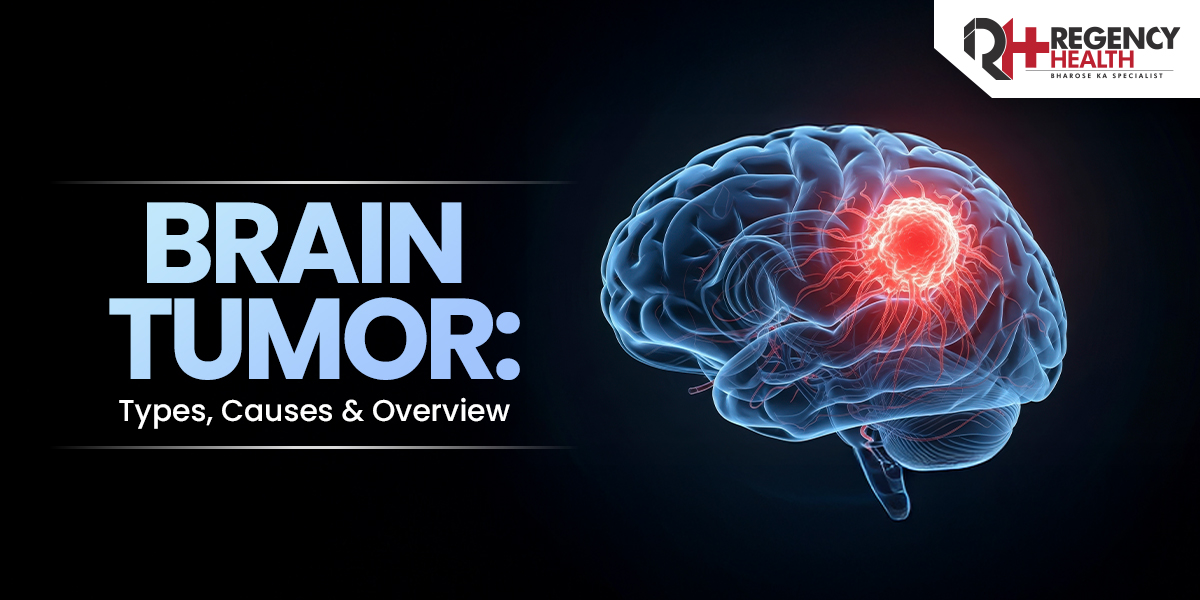
The human brain controls everything we do our thoughts, movements, memory, emotions, and vital body functions. When abnormal cells grow within the brain, they can interfere with these critical processes. This abnormal limb of cells is known as a brain tumor. While the term itself can sound frightening, understanding what a brain tumor is, why it occurs, and how it is treated can help patients and families feel more informed and prepared.
What Is a Brain Tumor?
A brain tumor is a mass or growth of abnormal cells in or around the brain. These cells grow uncontrollably and may disrupt normal brain function by pressing on surrounding tissues, nerves, or blood vessels.
Brain tumors can affect people of all ages from children to older adults and their impact depends on factors such as:
- Tumor type
- Location in the brain
- Growth rate
- Overall health of the patient
Some brain tumors are non-cancerous and grow slowly, while others are cancerous and may grow aggressively.
Types of Brain Tumors
Brain tumors are broadly classified into primary and secondary (metastatic) tumors.
Primary Brain Tumors
These tumors originate in the brain itself. They can be either benign (non-cancerous) or malignant (cancerous).
Secondary (Metastatic) Brain Tumors
These occur when cancer spreads to the brain from another part of the body, such as the lungs, breast, or kidneys.
Common Types of Brain Tumors
| Brain Tumors Type | Description |
|---|---|
| Gliomas | Develop from glial cells that support nerve cells |
| Meningiomas | Arise from the membranes covering the brain |
| Pituitary tumors | Form in the pituitary gland affecting hormone levels |
| Medulloblastomas | Common in children, usually malignant |
| Acoustic neuromas | Affect nerves responsible for hearing and balance |
Each type behaves differently and requires a tailored treatment approach.
Brain Tumor Causes
In many cases, brain tumor causes are not fully understood. However, certain factors may increase the risk of developing a brain tumor.
Possible Risk Factors Include:
- Genetic mutations (inherited or acquired)
- Exposure to high levels of radiation
- Family history of brain tumors
- Certain genetic disorders
- Weakened immune system
It’s important to note that everyday activities like mobile phone use or stress have not been conclusively proven to cause brain tumors.
Brain Tumor Symptoms
Brain tumor symptoms can vary widely depending on the tumor’s size, location, and growth speed. Some symptoms develop gradually, while others may appear suddenly.
Common Symptoms Include:
- Persistent or worsening headaches
- Seizures
- Nausea or vomiting
- Vision or hearing problems
- Difficulty with balance or coordination
- Memory loss or personality changes
- Weakness or numbness in arms or legs
- Speech difficulties
Symptoms should never be ignored, especially if they persist or worsen over time.
How Is a Brain Tumor Diagnosed?
Early and accurate diagnosis is essential for effective treatment. Doctors use a combination of clinical evaluation and advanced imaging techniques.
Diagnostic Methods Include:
- MRI or CT scans to visualize the brain
- Neurological examinations to assess reflexes and coordination
- Biopsy, where a tissue sample is examined
- Advanced imaging tests for precise tumor mapping
These tests help determine the tumor type, size, and location.
Brain Tumor Treatment Options
Brain tumor treatment depends on several factors, including the tumor type, location, patient’s age, and overall health. Often, a multidisciplinary team is involved in care.
Common Treatment Approaches
| Treatment | Purpose |
|---|---|
| Surgery | Remove or reduce the tumor |
| Radiation therapy |
Destroy remaining tumor cells |
| Chemotherapy |
Control or slow tumor growth |
| Targeted therapy | Attack specific cancer cells |
| Supportive care | Improve comfort and quality of life |
Treatment plans are personalised to achieve the best possible outcome while minimising side effects.
Brain Tumor Operation: What to Expect
A brain tumor operation is often the first line of treatment when the tumor can be safely removed. Surgical techniques have advanced significantly, improving precision and patient outcomes.
Key Goals of Surgery:
- Remove as much of the tumor as possible
- Preserve healthy brain tissue
- Reduce pressure inside the skull
- Improve symptoms and quality of life
Modern technologies such as neuro navigation, intraoperative imaging, and minimally invasive techniques help enhance safety and accuracy.
Life After Brain Tumor Treatment
Recovery varies from person to person. Some patients resume normal activities within weeks, while others may need longer rehabilitation.
Post-Treatment Care May Include:
- Physical or occupational therapy
- Speech therapy
- Regular follow-up scans
- Medication for symptom control
- Emotional and psychological support
With timely treatment and follow-up care, many individuals lead fulfilling lives after a brain tumor diagnosis.
When Should You See a Specialist?
You should consult a medical specialist if you or a loved one experiences persistent neurological symptoms such as unexplained headaches, seizures, or vision changes. Patients often look for experienced care providers, including those recognised as the best neurologist in gorakhpur, to ensure accurate diagnosis and expert treatment.
Conclusion
A brain tumor can affect essential brain functions and significantly impact daily life if not diagnosed and treated early. Understanding what a brain tumor is, recognising warning signs, and knowing available treatment options empower patients to seek timely medical care.
Advances in imaging, neurosurgery, radiation therapy, and supportive care have greatly improved outcomes for many patients. Timely diagnosis, expert guidance, and coordinated care play a vital role in recovery. This is why many patients and families trust Regency Hospitals for comprehensive, evidence-based, and compassionate brain tumor care focused on improving quality of life.
Frequently Asked Questions (FAQs)
What is a brain tumor?
A brain tumor is an abnormal growth of cells in or around the brain that can disrupt normal brain function.
What are the early brain tumor symptoms?
Early symptoms may include headaches, seizures, vision problems, memory issues, or weakness in limbs.
What causes brain tumors?
Brain tumor causes may include genetic mutations, radiation exposure, or immune system disorders, though many cases have no clear cause.
Is brain tumor treatment always surgery?
No. Treatment may involve surgery, radiation, chemotherapy, targeted therapy, or a combination, depending on the case.
Can a person live a normal life after a brain tumor?
Yes. With early diagnosis, appropriate treatment, and follow-up care, many people regain good quality of life.
Read More:
- Left Brain vs Right Brain: What’s the Difference? – Regency Healthcare
- Brain Stroke: Causes, Symptoms, Types, Treatment and Prevention
- Seizures: Symptoms, Types, Causes & Treatment Options
- Neurologist vs Neurosurgeon: Key Differences, Roles & When to Consult