
 Call-an-Ambulance
Sleep Apnea Explained: What It Is, Causes, Symptoms, and Treatment Options
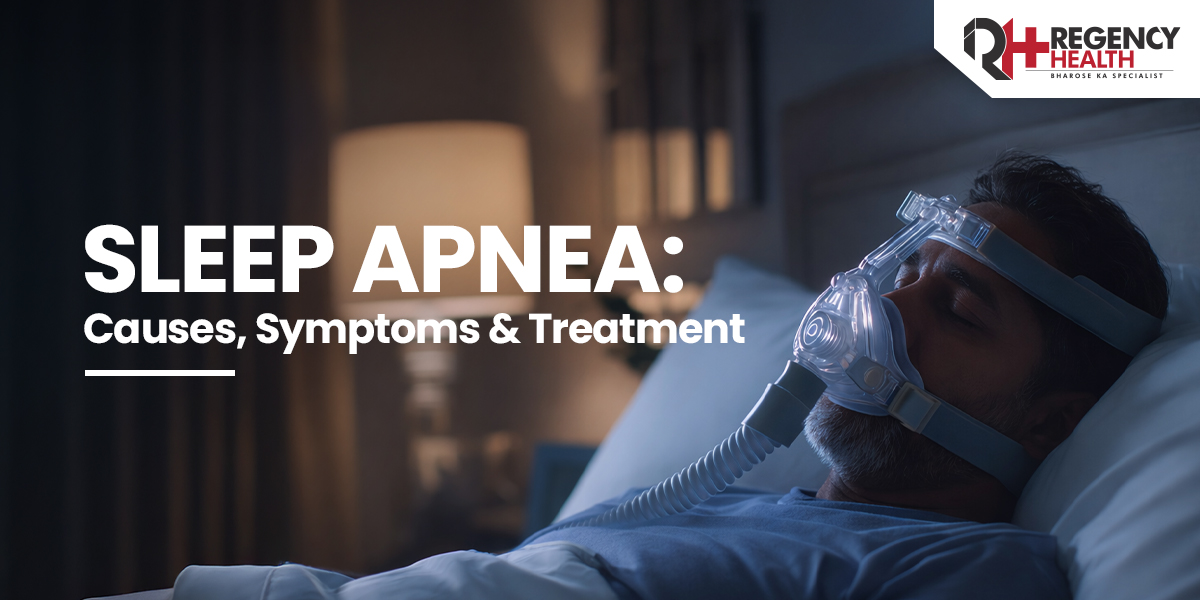
Sleep is essential for physical health, mental clarity, and overall well-being. However, many people wake up feeling tired even after a full night’s rest. One common but often overlooked reason is sleep apnea, a sleep-related breathing disorder that can silently affect long-term health if left untreated. Understanding what sleep apnea is, its causes, symptoms, and treatment options can help individuals recognize the problem early and seek proper care.
What Is Sleep Apnea?
If you’re wondering what sleep apnea is, it is a medical condition in which breathing repeatedly stops and starts during sleep. These pauses in breathing can last a few seconds to over a minute and may occur many times throughout the night. Because the brain and body receive less oxygen, sleep becomes fragmented, even if the person is unaware of waking up.
Sleep apnea not only affects sleep quality but also places strain on the heart, lungs, and brain. Over time, untreated sleep apnea can increase the risk of serious health complications.
Types of Sleep Apnea
Sleep apnea is broadly classified into three main types:
| Type of Sleep Apnea | Description |
|---|---|
| Obstructive Sleep Apnea (OSA) | Caused by relaxation of throat muscles leading to airway blockage |
| Central Sleep Apnea | Brain fails to send proper signals to control breathing |
| Complex Sleep Apnea | Combination of obstructive and central sleep apnea |
Among these, obstructive sleep apnea is the most common form seen in adults.
Sleep Apnea Causes
Understanding sleep apnea causes helps in identifying risk factors early. The reasons can vary depending on the type of sleep apnea.
Common Causes Include:
- Relaxed throat muscles during sleep
- Obesity or excess weight
- Large tonsils or narrow airway
- Smoking and alcohol consumption
- Nasal congestion or sinus problems
- Neurological conditions affecting breathing control
Certain lifestyle habits and medical conditions can significantly increase the risk of developing sleep apnea.
Sleep Apnea Symptoms You Should Not Ignore
Many people ignore early warning signs, assuming fatigue is due to stress or lack of sleep. Recognizing sleep apnea symptoms is crucial for timely diagnosis.
Common Symptoms:
- Loud, chronic snoring
- Pauses in breathing noticed by others
- Gasping or choking during sleep
- Excessive daytime sleepiness
- Morning headaches
- Poor concentration and memory issues
- Irritability or mood changes
In children, symptoms may include bedwetting, hyperactivity, or poor academic performance.
How Sleep Apnea Affects Overall Health
Untreated sleep apnea does more than disrupt sleep. Over time, it can lead to:
- High blood pressure
- Heart disease and stroke
- Type 2 diabetes
- Weight gain due to hormonal imbalance
- Depression and anxiety
- Increased risk of accidents due to daytime drowsiness
This is why early diagnosis and appropriate sleep apnea treatment are essential.
How Is Sleep Apnea Diagnosed?
Doctors use a combination of medical history, physical examination, and sleep studies to diagnose sleep apnea.
Common Diagnostic Tests:
- Polysomnography (Sleep Study): Monitors breathing, oxygen levels, heart rate, and brain activity during sleep
- Home Sleep Tests: Used for mild to moderate cases under medical guidance
Diagnosis helps determine the severity and guide treatment planning.
Sleep Apnea Treatment Options
Effective sleep apnea treatment depends on the severity of the condition and its underlying cause. Treatment plans are often personalized.
1. Lifestyle Changes
- Weight reduction
- Regular exercise
- Avoiding alcohol and smoking
- Sleeping on your side
2. Continuous Positive Airway Pressure (CPAP)
The most common treatment, CPAP uses a machine to keep airways open during sleep.
3. Oral Appliances
Custom-made dental devices help reposition the jaw and tongue to maintain airflow.
4. Medications
Used in specific cases, especially when sleep apnea is linked to nasal congestion or underlying conditions.
5. Surgery
Recommended when anatomical issues like enlarged tonsils or nasal blockages are present.
Living With Sleep Apnea
With proper care, most people with sleep apnea can lead healthy, active lives. Adhering to treatment, maintaining a healthy routine, and attending follow-up appointments are key to long-term management.
For accurate diagnosis, detailed evaluation, and personalized care, many patients prefer consulting a chest specialist in Gorakhpur at Regency Hospitals, especially when sleep-related breathing problems such as snoring, pauses in breathing, or excessive daytime sleepiness are suspected.
When Should You See a Doctor?
You should consult a healthcare professional if you experience:
- Persistent loud snoring
- Daytime sleepiness affecting daily activities
- Breathing pauses during sleep
- Poor sleep despite adequate rest
Early intervention can prevent complications and significantly improve quality of life.
Conclusion
Sleep apnea is a common yet underdiagnosed condition that can significantly affect physical health, mental well-being, and daily performance. Understanding what sleep apnea is, recognizing early symptoms, and knowing available treatment options can help individuals take timely action.
With advances in sleep medicine, diagnostic tools, and treatment approaches, managing sleep apnea has become more effective than ever. Early diagnosis, expert medical guidance, and consistent treatment play a crucial role in restoring healthy sleep patterns and preventing long-term complications.
Frequently Asked Questions (FAQs)
Is sleep apnea a serious condition?
Yes, untreated sleep apnea can lead to heart disease, stroke, and other serious health issues.
Can sleep apnea be cured completely?
Some mild cases improve with lifestyle changes, while others require long-term treatment to stay controlled.
Does everyone with sleep apnea snore?
Most people with obstructive sleep apnea snore, but not everyone who snores has sleep apnea.
Is sleep apnea more common in men or women?
Sleep apnea is more common in men, but risk increases for women after menopause.
Can children have sleep apnea?
Yes, children can develop sleep apnea, often due to enlarged tonsils or adenoids.
Read More:
- Top 10 Health Tips to Transform Your Life!
- Healthy Habits for Digestive Health
- 10 Ways to Improve Your Heart Health
- The Importance of Regular Health Check-ups: A Comprehensive Guide