

 Call-an-Ambulance
15 Best Foods for a Healthy Liver You Should Add to Your Diet
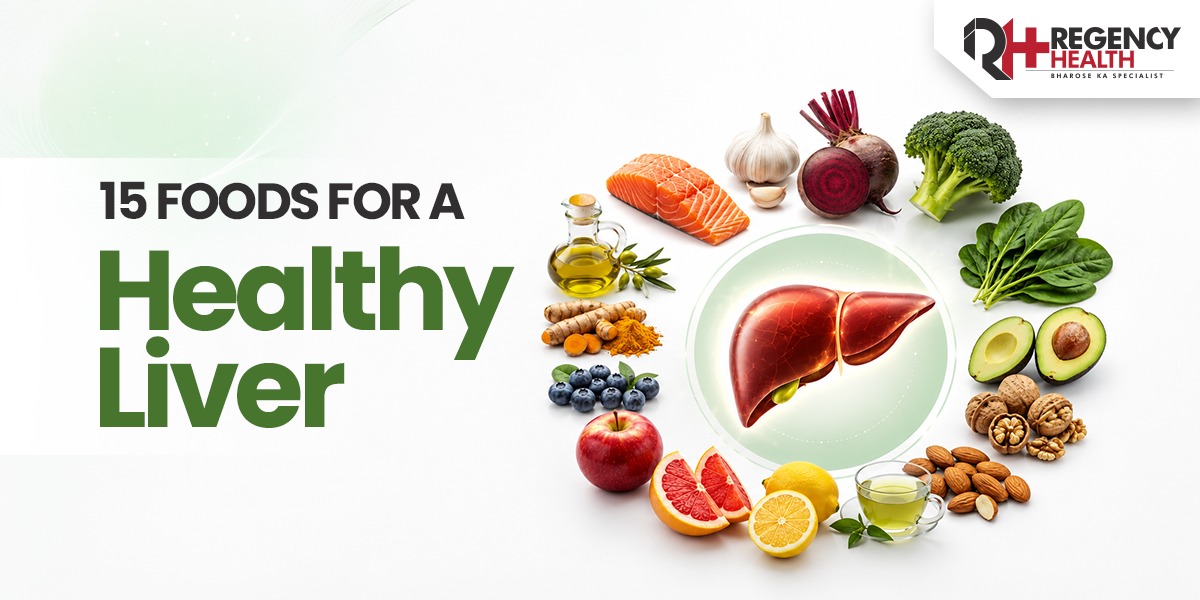
Your liver is one of the hardest-working organs in your body. It performs more than 500 essential functions, including removing toxins, producing bile for digestion, storing nutrients, regulating blood sugar, and helping your body process fats, proteins, and carbohydrates. Since the liver works continuously to keep your body healthy, taking care of it should be a priority.
While the liver has the remarkable ability to repair itself, unhealthy eating habits, excessive alcohol consumption, obesity, and certain medical conditions can gradually affect its function. The good news is that making healthy dietary choices can go a long way in supporting liver health.
Including liver healthy foods in your daily meals, staying physically active, and maintaining a healthy lifestyle can help protect your liver and support its normal functioning.
In this article, we’ll explore the best foods for liver health, foods to limit, signs of a healthy liver, and practical tips on how to keep liver healthy naturally.
Why Is Liver Health Important?
The liver is often called the body’s natural filter because it removes harmful substances from the blood. It also plays an important role in digestion, metabolism, immunity, and hormone regulation.
Some of the liver’s major functions include:
- Removing toxins from the bloodstream
- Producing bile to digest fats
- Storing vitamins and minerals
- Processing nutrients from food
- Regulating cholesterol levels
- Supporting blood clotting
- Maintaining normal blood sugar levels
When the liver becomes unhealthy, these functions can be affected, leading to various health problems.
How to Keep Liver Healthy
Many liver problems develop silently without causing symptoms in the early stages. Following a healthy liver diet along with healthy lifestyle habits can help reduce the risk of liver disease.
Here are a few simple ways to keep your liver healthy:
- Eat a balanced diet rich in fruits, vegetables, whole grains, and lean proteins.
- Drink enough water throughout the day.
- Exercise regularly and maintain a healthy weight.
- Limit alcohol consumption.
- Avoid smoking and tobacco products.
- Get vaccinated against hepatitis A and B if recommended.
- Avoid unnecessary use of medicines and supplements without medical advice.
- Schedule regular health check-ups if you have diabetes, obesity, or fatty liver disease.
15 Best Liver Healthy Foods
A nutritious healthy liver diet should include foods rich in antioxidants, fibre, vitamins, minerals, and healthy fats. These nutrients help reduce inflammation, support liver cell repair, and improve overall metabolic health.
1. Leafy Green Vegetables
Leafy green vegetables such as spinach, kale, fenugreek (methi), mustard greens, and amaranth are among the best liver healthy foods you can include in your meals.
They are rich in chlorophyll, antioxidants, vitamin C, vitamin K, folate, and fibre. These nutrients help the liver neutralise harmful substances while protecting liver cells from oxidative damage.
Adding leafy greens to your diet may also support digestion and help reduce fat accumulation in the liver.
Easy ways to include them:
- Add spinach to soups and dals.
- Prepare methi or mustard greens as a vegetable dish.
- Include fresh greens in salads or smoothies.
- Add chopped spinach to chapati dough or sandwiches.
2. Garlic
Garlic is much more than a kitchen staple. It contains sulphur compounds and selenium that help activate liver enzymes responsible for flushing toxins out of the body.
It also contains allicin, a natural antioxidant that may reduce inflammation and protect liver cells from damage.
Although garlic alone cannot cure liver disease, including fresh garlic in everyday cooking is an easy way to support overall health.
Best ways to consume garlic:
- Add crushed garlic to curries and vegetables.
- Mix it into soups and lentils.
- Use roasted garlic as a healthy spread or seasoning.
3. Fatty Fish
Fish such as salmon, sardines, tuna, and mackerel are excellent sources of omega-3 fatty acids.
Omega-3 fats may help reduce liver fat, improve cholesterol levels, and decrease inflammation, particularly in people with non-alcoholic fatty liver disease (NAFLD).
Fatty fish is also an excellent source of high-quality protein, making it a valuable addition to a healthy liver diet.
Experts recommend eating fatty fish two to three times a week for maximum benefits.
4. Turmeric
Turmeric has been used in traditional medicine for centuries because of its anti-inflammatory properties.
Its active compound, curcumin, is known for its antioxidant effects and may help protect liver cells against oxidative stress. Some studies suggest that curcumin may also support the liver’s natural repair process.
You can include turmeric in your diet by:
- Adding it to curries and vegetable dishes.
- Mixing it into warm milk.
- Using it while preparing soups and lentils.
Remember that turmeric works best as part of an overall healthy lifestyle rather than as a standalone treatment.
5. Coffee
Coffee is one of the most researched beverages when it comes to liver health. Several studies have found that moderate coffee consumption may be associated with a lower risk of fatty liver disease, liver fibrosis, and liver cirrhosis.
Coffee contains antioxidants and plant compounds that may help reduce inflammation and protect liver cells from damage.
For maximum health benefits:
- Limit added sugar and flavoured syrups.
- Avoid excessive cream or high-fat toppings.
- Consume coffee in moderation, generally 2–3 cups a day unless advised otherwise by your doctor.
It’s important to note that coffee is not a treatment for liver disease, but it may support liver health as part of a balanced diet.
6. Walnuts
Walnuts are packed with omega-3 fatty acids, vitamin E, fibre, and antioxidants. These nutrients may help reduce oxidative stress and support healthy liver function.
Eating a small handful of unsalted walnuts daily can be a nutritious snack that benefits both your liver and heart.
7. Green Tea
Green tea is widely known for its antioxidant properties. It contains natural compounds called catechins, which may help protect liver cells from damage caused by oxidative stress. Some research suggests that drinking green tea in moderation may support liver function and reduce the accumulation of fat in the liver.
However, while brewed green tea is generally considered safe for most people, concentrated green tea supplements should only be taken after consulting a healthcare professional, as excessive amounts may affect liver health in some individuals.
How to include it in your diet:
- Drink 1–2 cups of freshly brewed green tea daily.
- Avoid adding excessive sugar.
- Pair it with a balanced diet instead of relying on it as a “detox” drink.
8. Beetroot
Beetroot is rich in antioxidants, nitrates, folate, and fibre. These nutrients help improve blood circulation, reduce inflammation, and support the body’s natural detoxification process.
Although beetroot does not directly cleanse the liver, including it as part of a healthy diet may help support overall liver function.
You can enjoy beetroot in several ways:
- Fresh beetroot salad
- Homemade beetroot juice
- Roasted beetroot
- Mixed vegetable soup
9. Citrus Fruits
Oranges, lemons, sweet lime, and grapefruit are rich in vitamin C and antioxidants that help protect cells from oxidative damage. These fruits also support hydration and overall immunity.
Adding citrus fruits to your daily meals is an easy way to improve your nutrient intake while supporting a healthy liver diet.
Some healthy options include:
- Fresh orange slices with breakfast
- Lemon water without added sugar
- Sweet lime as an evening snack
- Fresh fruit salad
10. Oats
Oats are an excellent source of soluble fibre, particularly beta-glucan, which supports digestive health and helps regulate cholesterol levels.
Maintaining a healthy weight is one of the most important ways to reduce the risk of non-alcoholic fatty liver disease. Oats can help you stay full for longer, reducing unnecessary snacking and supporting weight management.
Replacing refined cereals with oats at breakfast is a simple step towards better liver health.
11. Olive Oil
Healthy fats are an important part of a balanced diet, and olive oil is one of the healthiest cooking oils available.
It contains monounsaturated fats and antioxidants that may help reduce inflammation and improve fat metabolism. Using olive oil in moderation instead of butter or highly processed oils can benefit both liver and heart health.
12. Avocados
Avocados are packed with healthy fats, fibre, potassium, and vitamins that support overall metabolic health.
Some studies suggest that regular consumption of avocados may help reduce inflammation and improve the body’s antioxidant status. Because avocados are naturally high in calories, moderation is important.
They can be enjoyed in salads, sandwiches, smoothies, or as homemade guacamole.
13. Apples
Apples are rich in dietary fibre, especially pectin, which supports digestive health. A healthy digestive system helps remove waste efficiently, reducing the burden on the liver.
Instead of fruit juices, choose whole apples to benefit from their natural fibre content.
14. Beans and Lentils
Beans, chickpeas, kidney beans, black beans, and lentils are excellent plant-based protein sources.
They are also rich in fibre, iron, and complex carbohydrates, making them a valuable addition to a healthy liver diet. Regular consumption of legumes supports digestion, improves satiety, and helps maintain a healthy body weight.
15. Berries
Blueberries, strawberries, raspberries, and blackberries contain antioxidants known as anthocyanins. These compounds help protect the body’s cells, including liver cells, from oxidative stress.
Fresh berries make an excellent snack and can easily be added to yoghurt, oatmeal, smoothies, or fruit bowls.
Foods to Limit for Better Liver Health
Just as some foods support liver health, others can place additional stress on the liver when consumed frequently.
Try to limit:
- Sugary drinks and packaged fruit juices
- Fried and fast foods
- Highly processed snacks
- Excessive sweets and desserts
- Foods high in saturated and trans fats
- Excessive salt intake
- Alcohol
These foods may contribute to weight gain, fatty liver disease, high cholesterol, and inflammation over time.
How to Know If Liver Is Healthy
Many people wonder how to know if liver is healthy, especially since liver problems often develop silently. In the early stages, a healthy liver usually performs its functions without causing noticeable symptoms.
Some signs that your liver is functioning well include:
- Good energy levels throughout the day
- Healthy digestion
- Normal appetite
- Clear skin and eyes
- Normal liver function test (LFT) results
- Healthy cholesterol and blood sugar levels
The best way to assess liver health is through regular medical check-ups and liver function tests, especially if you have diabetes, obesity, hepatitis, or a family history of liver disease.
Signs That May Indicate Liver Problems
While early liver disease may not cause symptoms, more advanced liver problems can present with:
- Persistent fatigue
- Yellowing of the skin or eyes (jaundice)
- Swelling in the abdomen
- Dark-coloured urine
- Pale stools
- Loss of appetite
- Unexplained weight loss
- Nausea or vomiting
- Pain or discomfort in the upper right side of the abdomen
If you experience these symptoms, consult a healthcare professional promptly.
Healthy Lifestyle Tips for Better Liver Function
Diet is only one part of maintaining liver health. Adopting healthy lifestyle habits can further reduce your risk of liver disease.
Some simple habits include:
- Exercise for at least 150 minutes each week.
- Maintain a healthy weight.
- Drink adequate water daily.
- Get enough sleep.
- Avoid smoking.
- Limit alcohol consumption.
- Practice safe food hygiene.
- Take medicines only as prescribed.
- Get regular health screenings if you have risk factors.
Together with a nutritious diet, these habits can help keep your liver healthy for years to come.
Conclusion
Your liver quietly performs hundreds of essential functions every day, making it one of the most important organs in your body. While it has an impressive ability to repair itself, it also needs the right nutrition and healthy lifestyle habits to function at its best.
Including liver healthy foods such as leafy greens, fatty fish, garlic, berries, whole grains, legumes, and healthy fats in your daily meals can help support normal liver function and overall well-being. At the same time, limiting processed foods, sugary drinks, and alcohol can reduce unnecessary stress on the liver.
If you have persistent digestive problems, fatty liver disease, abnormal liver function tests, or any concerns about your liver health, it is important to seek expert medical advice. At Regency Hospitals, our experienced gastroenterology team provides comprehensive evaluation, advanced diagnostics, and personalized treatment for a wide range of liver disorders. Patients looking for the best gastroenterologist in Lucknow can consult the specialists at Regency Hospitals for expert guidance and compassionate care.
Which foods are best for liver health?
Some of the best liver healthy foods include leafy green vegetables, garlic, fatty fish, berries, walnuts, oats, coffee, green tea, olive oil, citrus fruits, beans, lentils, avocados, beetroot, and apples. These foods are rich in antioxidants, fibre, healthy fats, and essential nutrients that support normal liver function.
How can I keep my liver healthy naturally?
If you’re wondering how to keep liver healthy, focus on eating a balanced diet, exercising regularly, maintaining a healthy weight, drinking enough water, limiting alcohol, avoiding smoking, and getting regular health check-ups. These healthy habits can help support your liver and reduce the risk of liver disease.
How do I know if my liver is healthy?
Many people ask how to know if liver is healthy because liver disease often develops without early symptoms. A healthy liver usually functions without causing discomfort. Regular liver function tests (LFTs), a healthy lifestyle, and routine medical check-ups are the best ways to assess your liver health.
Can diet improve liver health?
Yes. Following a healthy liver diet that includes fruits, vegetables, whole grains, lean proteins, and healthy fats can support liver function. Reducing processed foods, sugary drinks, and excessive alcohol intake can also help protect the liver from damage.
Is coffee good for the liver?
Research suggests that moderate coffee consumption may support liver health and may be associated with a lower risk of certain chronic liver diseases. However, coffee should be consumed in moderation without excessive sugar or high-fat creamers, and it should not be considered a treatment for liver disease.
Read More:
- Liver Disease Symptoms, Causes & Treatment Options
- Fatty Liver: Symptoms & Natural Ways to Reduce It
- Liver Cirrhosis Symptoms: Early Signs, Stages & Treatment
- Liver Cleanse: How To Detox Your Liver Naturally!