
 Call-an-Ambulance
What Are Heart Palpitations? Causes, Symptoms and Treatment
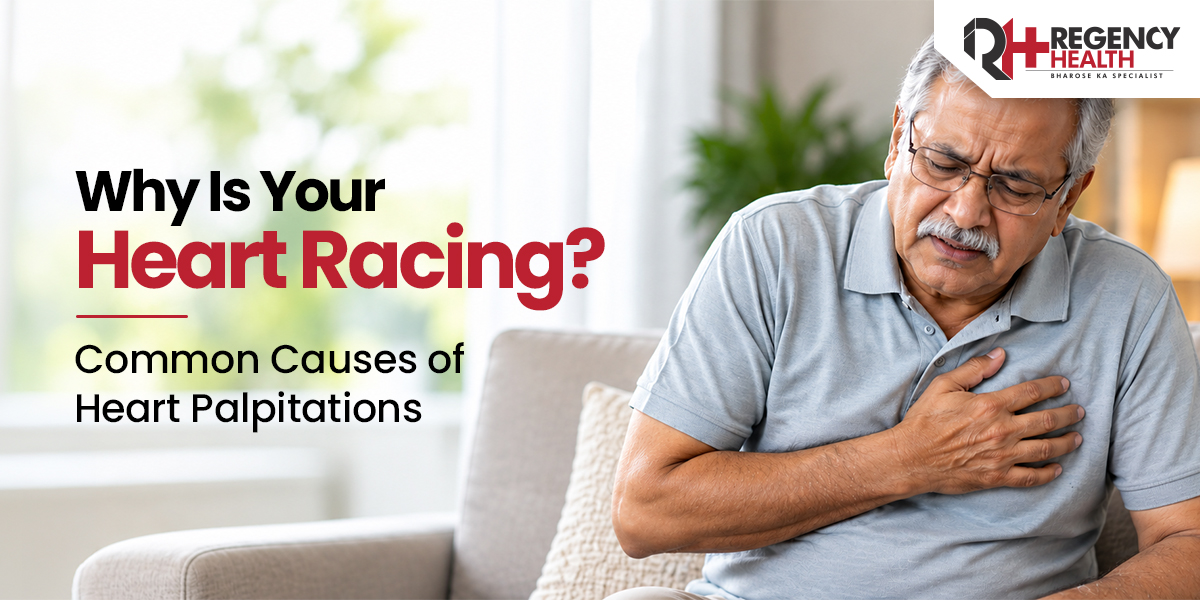
Have you ever suddenly felt your heart racing, pounding or skipping a beat? This unusual awareness of your heartbeat is commonly called heart palpitations. It can happen while you are exercising, feeling stressed, resting or even lying in bed at night.
In many cases, palpitations are temporary and harmless. However, they can sometimes be linked to an abnormal heart rhythm or another medical condition. Understanding what triggers them, what symptoms to watch for and when to seek medical help can help you take the right steps.
What Are Heart Palpitations?
So, what are heart palpitations? They are sensations that make you unusually aware of your heartbeat. Your heart may feel as though it is beating faster, harder or less regularly than usual.
You may experience:
- A racing heartbeat
- Pounding or thumping in the chest
- Fluttering in the chest
- A skipped or extra beat
- A feeling that the heart is flip-flopping
- A stronger heartbeat than usual
Palpitations may be felt in the chest, neck or throat. They can last for a few seconds, several minutes or, in some cases, longer. They are a symptom rather than a disease and do not always mean that something is wrong with the heart.
What Does Having Heart Palpitations Feel Like?
The experience can differ from person to person. Some people describe having heart palpitations as a sudden racing sensation, while others feel a brief pause followed by a stronger beat.
You may notice them:
- During or after exercise
- When feeling anxious or stressed
- After drinking coffee or energy drinks
- While resting or lying down
- During hormonal changes
- After consuming alcohol
- Without any obvious reason
Occasional palpitations that last only a few seconds and occur without other symptoms are often not serious. However, frequent palpitations or episodes that are becoming more noticeable should be discussed with a doctor.
What Causes Heart Palpitations?
There are many possible palpitations, and they are not always related to a heart condition.
Common Triggers
Everyday factors can temporarily make your heartbeat more noticeable. These include:
- Stress and anxiety
- Lack of sleep
- Strenuous exercise
- Too much caffeine
- Alcohol
- Smoking or nicotine
- Energy drinks
- Fever
- Dehydration
- Certain medicines
- Hormonal changes
Some medicines, including certain cold and cough medicines, asthma medicines and other stimulant-containing products, may also trigger palpitations in some people.
Medical Conditions
Sometimes, palpitations can be related to an underlying health problem, such as:
- Iron-deficiency anaemia
- Overactive thyroid
- Electrolyte imbalance
- Heart valve problems
- Previous heart disease
- Abnormal heart rhythms
Arrhythmias, including atrial fibrillation and some types of tachycardia, can cause the heart to beat too quickly or irregularly.
Are Heart Palpitations Dangerous?
Most palpitations are not considered serious, but their significance depends on what is causing them. A brief flutter after caffeine, stress or exercise may not indicate a heart problem. However, palpitations caused by an abnormal heart rhythm may need medical evaluation.
The possibility of an underlying heart condition becomes more important if you have a history of heart disease or if the episodes are becoming more frequent or severe.
When Are Palpitations an Emergency?
Seek immediate medical attention if palpitations occur with:
- Chest pain or pressure
- Severe shortness of breath
- Fainting or near-fainting
- Severe dizziness
- Significant weakness
Do not wait for these symptoms to settle on their own. Palpitations accompanied by these warning signs can require urgent assessment.
When Should You See a Doctor?
Not every episode requires emergency care. However, you should arrange a medical evaluation if:
- Palpitations keep coming back
- They are happening more often
- An episode lasts several minutes or longer
- They occur without an obvious trigger
- You have a known heart condition
- You have a family history of heart problems
- You feel dizzy or unusually weak during an episode
It can be useful to note when the palpitations occur, how long they last and whether you had caffeine, alcohol, exercise, stress or any new medicine around the same time.
How Are Heart Palpitations Diagnosed?
A doctor will usually begin by asking about your symptoms and medical history and performing a physical examination. The doctor may ask whether the sensation starts and stops suddenly, how long it lasts and whether you experience other symptoms.
Depending on the situation, different tests may be recommended.
| Test | What It Helps Check |
|---|---|
| ECG/EKG | Records the heart’s electrical activity and rhythm |
| Holter monitor | Continuously records heart rhythm during daily activities |
| Event monitor | Records heart rhythm when symptoms occur intermittently |
| Echocardiogram | Examines the heart’s structure and function |
| Blood tests | May identify problems such as anaemia or thyroid disorders |
A standard ECG may not capture an abnormal rhythm if you are not experiencing symptoms during the test. In such cases, longer-term monitoring may help identify what is happening.
How Are Heart Palpitations Treated?
Treatment depends on the underlying cause. If palpitations are occasional and are not linked to a medical condition, treatment may not be necessary. Instead, your doctor may suggest avoiding the triggers associated with your symptoms.
If an underlying condition is identified, that condition is treated.
Lifestyle Changes
If your palpitations are related to lifestyle triggers, your doctor may recommend:
- Reducing caffeine and energy drinks
- Limiting alcohol
- Avoiding nicotine
- Getting adequate sleep
- Managing stress
- Staying adequately hydrated
- Reviewing medicines that may contain stimulants
Relaxation techniques such as deep breathing, meditation and yoga may also help when stress contributes to symptoms.
Medicines
If palpitations are caused by an abnormal heart rhythm, medicines may sometimes be used to control the heart rate or rhythm. The choice depends on the specific rhythm problem and the person’s overall health. Medicines should only be taken under medical guidance.
Procedures
Some rhythm disorders may require procedures such as cardioversion or catheter ablation. These are not needed for everyone and are considered based on the type of arrhythmia, symptoms and associated risks.
How Can You Reduce Heart Palpitations?
If your doctor has ruled out a serious underlying condition, some simple habits may help reduce episodes.
Limit Caffeine
Coffee and other caffeinated beverages can trigger ectopic beats in some people, which may cause palpitations. If you notice that coffee triggers these symptoms, reducing your intake may help.
Manage Stress
Stress and anxiety can increase your heart rate and make your heartbeat more noticeable. Regular relaxation practices can help manage stress.
Get Enough Sleep
Poor sleep can contribute to palpitations in some people. Try to maintain a consistent sleep schedule.
Avoid Smoking and Nicotine
Nicotine can stimulate the cardiovascular system and may trigger palpitations. Avoiding tobacco and nicotine products also supports overall heart health.
Review Your Medicines
Some prescription and over-the-counter medicines can affect heart rate. If you suspect a medicine is triggering your symptoms, speak with your doctor rather than stopping it yourself.
Can Anxiety Cause Heart Palpitations?
Yes. Stress and anxiety can trigger palpitations by activating the body’s natural fight-or-flight response. This can make the heart beat faster or more forcefully. However, not every episode is caused by anxiety. If symptoms are new, persistent, frequent or associated with chest pain, dizziness or breathing difficulty, they should be medically evaluated rather than automatically attributed to stress.
Are Palpitations the Same as an Arrhythmia?
No. What are palpitations and what is an arrhythmia are two different things. Palpitations are a sensation of feeling your heartbeat, while an arrhythmia is an abnormality in the heart’s rate or rhythm.
A person can have palpitations even when the heart rhythm is normal. On the other hand, some arrhythmias can cause noticeable palpitations. An ECG or longer-term heart monitoring may be needed to determine whether an abnormal rhythm is present.
Can Heart Palpitations Happen at Night?
Yes. Some people notice palpitations more clearly at night when they are lying quietly and there are fewer distractions. Stress, caffeine, alcohol, lack of sleep and certain heart rhythm problems can contribute to night-time episodes. If you regularly wake up with a racing or pounding heart, especially with dizziness or breathing difficulty, consult a doctor.
What Should You Do During an Episode?
If you experience brief palpitations without any warning symptoms, sit down, stay calm and take slow, controlled breaths. Make a note of what you were doing and how long the episode lasted. However, do not try to determine the cause yourself. If palpitations occur with chest pain, severe shortness of breath, fainting or severe dizziness, seek emergency medical care immediately.
Conclusion
Heart palpitations can feel alarming, but they are often linked to temporary triggers such as stress, caffeine, lack of sleep or exercise. If you are looking for the best cardiologist in Lucknow at Regency Hospitals, getting evaluated by a healthcare professional can help identify the underlying cause.
If you are having heart palpitations frequently, notice that they are becoming more severe, or experience them along with dizziness, chest discomfort or breathing difficulty, timely medical evaluation is important. For proper evaluation and treatment of recurring palpitations, the cardiology team at Regency Hospitals provides cardiac evaluation, treatment and advanced cardiac facilities at its Lucknow centre.
Frequently Asked Questions
1. What are heart palpitations?
Heart palpitations are sensations of a racing, pounding, fluttering or irregular heartbeat. They can occur due to stress, caffeine, exercise, medicines or certain medical conditions.
2. What are the common causes of heart palpitations?
Common causes include stress, anxiety, caffeine, alcohol, lack of sleep, strenuous exercise, dehydration, hormonal changes and certain medicines. Anaemia, thyroid problems and abnormal heart rhythms can also cause them.
3. When should I worry about heart palpitations?
Seek urgent medical attention if palpitations occur with chest pain, severe shortness of breath, fainting or severe dizziness. Repeated or worsening episodes should also be evaluated by a doctor.
4. Can anxiety cause heart palpitations?
Yes. Anxiety and stress can make the heart beat faster or more forcefully. However, recurring palpitations should not automatically be assumed to be caused by anxiety.
5. How can I stop heart palpitations?
If your palpitations are brief and you have no warning symptoms, staying calm, resting and taking slow breaths may help. Reducing known triggers such as caffeine and nicotine may also help. Persistent or concerning symptoms require medical evaluation.
Read More:
- Understanding Arrhythmias: What Your Heartbeat Says About Your Health
- Simple Steps to Stay Away from Heart Disease
- How to Take Care of Your Heart Health
- Dilated Cardiomyopathy Meaning & How It Impacts Heart Health