
 Call-an-Ambulance
Top 10 Lungs Exercise Benefits for Full-Body Fitness
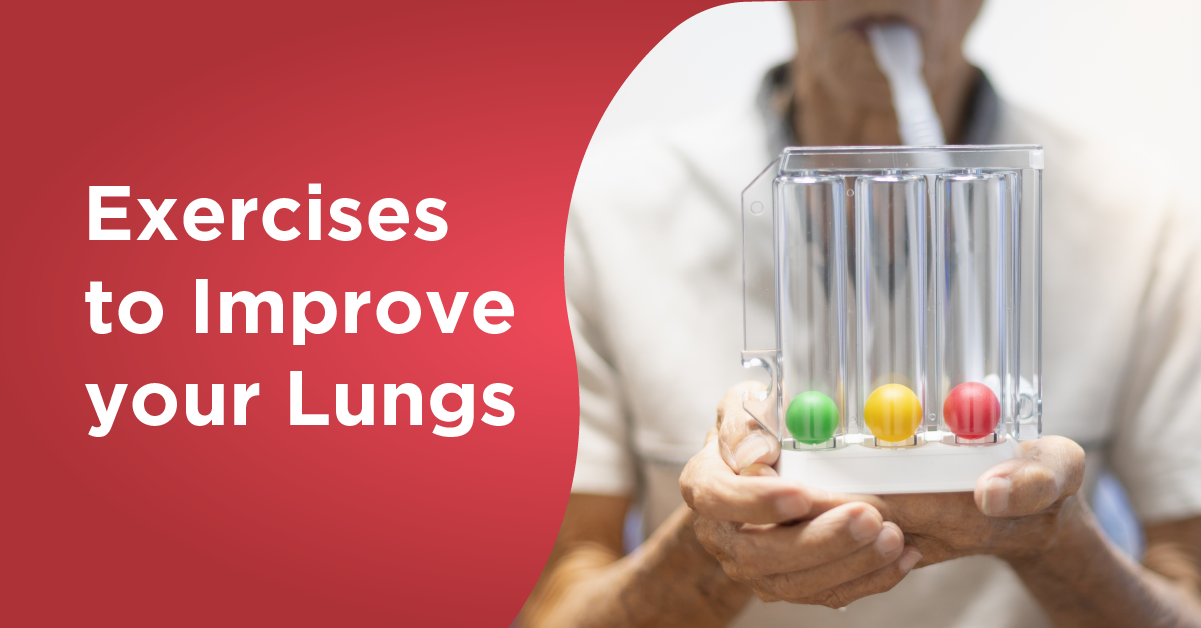
Breathing is something we do every moment, yet it rarely gets the attention it deserves. As we age or face modern lifestyle challenges like pollution, stress, sedentary habits, and post-viral recovery, our respiratory health often takes a hit. This is where lungs exercise becomes essential, not just for breathing better but for improving overall fitness and wellbeing.
In recent years, especially after Covid-19, awareness around lung health, oxygen saturation, and breathing capacity has grown significantly. Many people now track SpO2 levels using pulse oximeters and actively look for ways to strengthen their lungs. Regular lungs exercise can help maintain healthy oxygen levels, support immunity, and reduce fatigue and anxiety.
This blog refreshes and expands on proven breathing practices, explains how lung exercises work, and highlights the top lungs exercise benefits for full-body fitness, all in simple, practical language.
Why Lungs Exercise Matters More Than Ever
For most body cells to function properly, oxygen saturation should ideally remain above 89 percent. Poor lung function can lead to low energy, frequent infections, disturbed sleep, and increased stress levels. Regular lungs exercise improves the efficiency of your respiratory muscles, enhances oxygen delivery, and supports heart and brain health.
Medical research shows that structured breathing exercise for lungs can improve lung capacity, especially when combined with physical activity, pollution control, and smoking cessation. Even people using a lung exercise machine for respiratory therapy often complement it with breathing routines at home.
Top 10 Lungs Exercise Benefits for Full-Body Fitness
1. Improves Oxygen Utilization
One of the key lungs exercise benefits is better oxygen absorption. This supports every organ, from muscles to the brain, improving endurance and mental clarity.
2. Strengthens Respiratory Muscles
Like any muscle group, respiratory muscles need training. Lungs exercise strengthens the diaphragm and chest muscles, making breathing less tiring.
3. Enhances Energy Levels
Better oxygen flow means improved cellular energy production. Many people report reduced fatigue within weeks of starting breathing exercise for lungs.
4. Reduces Stress and Anxiety
Slow, controlled breathing activates the parasympathetic nervous system, lowering cortisol levels and calming the mind.
5. Supports Heart Health
Efficient breathing reduces strain on the heart by improving oxygen delivery and circulation.
6. Boosts Immunity
Well-oxygenated tissues function better, helping the immune system respond effectively to infections.
7. Improves Exercise Performance
Athletes often use lungs exercise routines to increase stamina and reduce breathlessness during intense workouts.
8. Aids Post-Illness Recovery
After respiratory infections, including Covid-19, breathing exercise for lungs helps restore lung elasticity and function.
9. Promotes Better Sleep
Deep breathing before bedtime relaxes the body and can improve sleep quality.
10. Enhances Overall Quality of Life
Consistent lungs exercise improves daily functioning, mood, and long-term respiratory health.
How Lungs Exercise Supports Different Body Systems
Regular lungs exercise does not work in isolation. It positively impacts multiple body systems at the same time, which is why it plays a key role in full-body fitness and long-term health.
| Body System | Impact of Lung Exercises |
|---|---|
| Respiratory system | Improves lung capacity, airflow, and breathing efficiency |
| Cardiovascular system | Enhances oxygen delivery and reduces heart strain |
| Nervous system | Calms the mind and lowers stress response |
| Immune system | Supports better immune cell function |
| Musculoskeletal system | Improves stamina and exercise endurance |
Exercises to Improve Your Lungs Naturally
Below are safe, time-tested breathing techniques that can be practiced at home. Always consult a doctor if you have an existing lung disease.
Qigong Belly Breathing
This gentle lungs exercise focuses on deep abdominal breathing. Relax your body, place one hand on your chest and one on your abdomen, and breathe slowly for 9 to 10 breaths. It helps calm the nervous system and improve lung expansion.
Diaphragmatic Breathing
Sit upright with one hand on the stomach and one on the chest. Inhale deeply through the nose, allowing the stomach to rise, then exhale slowly through the mouth. Practicing this breathing exercise for lungs for 10 to 15 minutes daily improves breathing efficiency.
Pushing Out Exercise
This dynamic lungs exercise involves bending forward while exhaling fully, then standing upright and inhaling deeply. Holding the breath briefly helps increase lung capacity. Perform this carefully and repeat a few times daily.
Om Breathing
Chanting Om during exhalation lengthens the breath and promotes relaxation. This breathing exercise for lungs also improves focus and reduces stress.
4-7-8 Breathing Technique
Inhale for four counts, hold for seven, and exhale for eight. This technique improves breath control and is especially helpful for anxiety and sleep.
Yawn to Smile Exercise
Stretching the arms overhead while yawning helps open the chest and lungs. Ending with a smile further relaxes facial and respiratory muscles.
Humming
Humming is a simple lungs exercise that increases nitric oxide production, improves airflow, and helps remove stale air from the lungs.
When and How to Practice Lungs Exercise for Best Results
Knowing how and when to perform lungs exercise is just as important as the exercise itself. Proper timing, posture, and duration can significantly improve results and reduce strain on the lungs.
| Best Practice | Why It Matters |
|---|---|
| Practice on an empty or light stomach | Allows deeper breathing without discomfort |
| Maintain an upright posture | Helps lungs expand fully |
| Breathe through the nose | Filters air and improves oxygen absorption |
| Start slow and progress gradually | Prevents dizziness and fatigue |
| Practice consistently | Delivers long-term lung and fitness benefits |
Practicing breathing exercise for lungs early in the morning or during calm evening hours often gives better relaxation and oxygenation benefits. People using a lung exercise machine should follow medical guidance and avoid overuse.
Who Should Practice Lungs Exercise and When to See a Doctor
Lungs exercise is generally safe and beneficial, but knowing who should practice it and when professional advice is needed helps ensure better results and long-term lung health.
- Lungs exercise can be practiced safely by most people as part of a daily wellness routine to support better breathing and overall fitness.
- It is especially helpful for office workers, seniors, athletes, and those recovering from illness, as it improves lung efficiency and stamina over time.
- People living with asthma, COPD, or other lung conditions may also benefit, but starting under medical guidance is advised, particularly when using a lung exercise machine.
- While regular lungs exercise supports lung health, it should not be used to ignore symptoms.
- If breathlessness occurs at rest, or if chest tightness, persistent cough, or falling oxygen levels continue despite practice, medical advice should be sought promptly.
Conclusion
Regular lungs exercise is a simple yet powerful way to improve breathing, fitness, and overall health. By practicing structured breathing exercise for lungs and maintaining healthy lifestyle habits, you can protect your respiratory system for years to come. For persistent symptoms or expert guidance, consulting a pulmonologist in Gorakhpur at Regency Hospitals can help you receive personalized care and long-term respiratory support.
Frequently Asked Questions
How often should I do lungs exercise?
Ideally, practice lungs exercise once or twice daily for 10 to 20 minutes for best results.
Can lungs exercise increase lung capacity at any age?
Yes. While results vary, people of all ages can improve breathing efficiency with regular practice.
Is a lung exercise machine necessary?
Not always. Simple breathing techniques are effective, though a lung exercise machine may be recommended in specific medical conditions.
Are breathing exercises safe for asthma patients?
Many breathing exercise for lungs techniques are safe, but asthma patients should consult their doctor before starting.
How long does it take to see benefits?
Most people notice improvements in breathing and energy within 2 to 4 weeks of consistent practice.
Read More:
- Top 6 Common Lung Disorders and Their Causes
- Healthy Lungs Guide: Best Foods & Everyday Habits
- Exercises to Improve Your Lungs Capacity
- Protect Yourself from Lung Cancer Before It’s Too Late