

 Call-an-Ambulance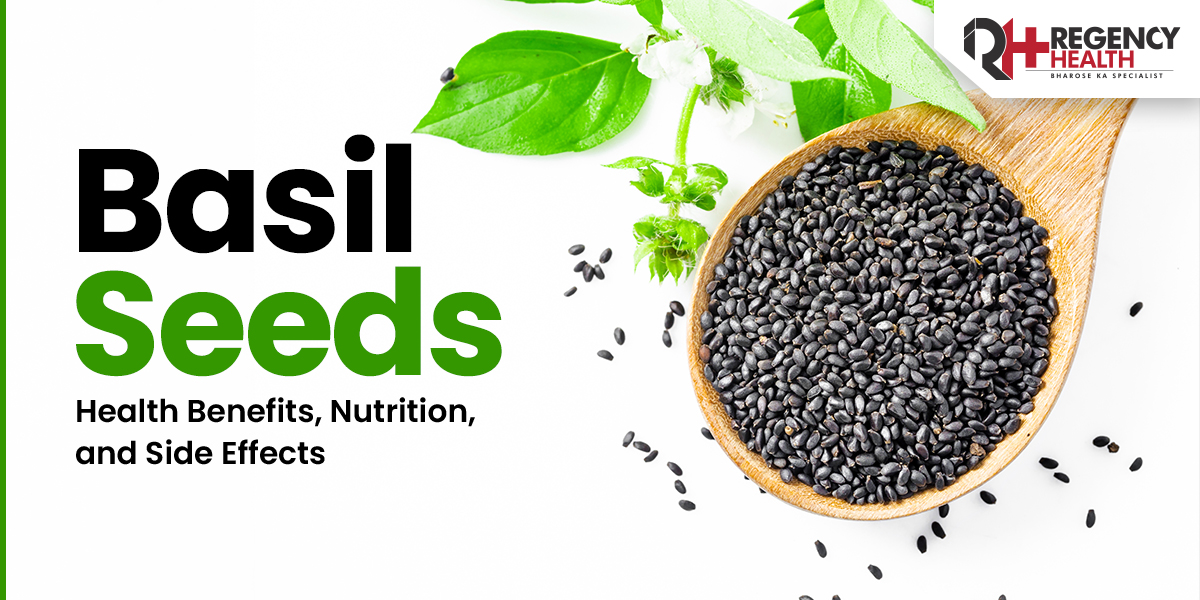
Introduction
Basil seeds, also known as sabja seeds or tukmaria, have been used in traditional medicine for centuries. These tiny black seeds may look simple, but they are packed with powerful nutrients that offer multiple health benefits. Today, many people are becoming aware of basil seeds benefits and including them in their daily diet for better health.
From improving digestion to supporting weight management, Basil Seeds provide a natural way to boost overall wellness. However, like any natural remedy, it is important to understand their uses, nutritional value, and possible basil seeds side effects before regular consumption.
In this article, we will explore everything you need to know about Basil Seeds in a simple and easy-to-understand way.
What Are Basil Seeds?
Basil seeds come from the sweet basil plant (Ocimum basilicum), the same plant used in cooking herbs. When soaked in water, these seeds swell and develop a gel-like coating, making them easy to consume and beneficial for digestion.
They are commonly used in drinks, desserts, and traditional remedies, especially during summer, due to their cooling properties.
Nutritional Value of Basil Seeds
Basil Seeds are rich in essential nutrients that support overall health.
| Nutrient | Benefit |
|---|---|
| Fiber | Improves digestion and gut health |
| Protein | Supports muscle repair and growth |
| Omega-3 fatty acids | Good for heart health |
| Iron | Helps prevent anemia |
| Calcium | Strengthens bones |
| Antioxidants | Protects from cell damage |
These nutrients make Basil Seeds a valuable addition to a balanced diet.
Top Basil Seeds Benefits
1. Improves Digestion
One of the most well-known basil seeds benefits is their ability to improve digestion. The high fiber content helps regulate bowel movements and prevents constipation.
Key benefits:
- Promotes healthy digestion
- Reduces bloating and acidity
- Supports gut health
2. Helps in Weight Loss
Basil Seeds are often used for weight management because they expand in the stomach and keep you full for longer.
Why it helps:
- Controls appetite
- Low in calories
- Supports fat metabolism
3. Controls Blood Sugar Levels
These seeds help slow down the conversion of carbohydrates into glucose, making them beneficial for people with diabetes.
Key advantages:
- Maintains stable blood sugar
- Reduces sugar spikes
- Supports metabolic health
4. Boosts Heart Health
Basil Seeds contain omega-3 fatty acids, which are known to improve heart health.
Benefits:
- Reduces bad cholesterol
- Improves blood circulation
- Supports overall cardiovascular health
5. Keeps the Body Cool
Basil Seeds have natural cooling properties, making them ideal for hot weather.
Uses:
- Prevents heat strokes
- Reduces body heat
- Refreshes the body
6. Improves Skin Health
Antioxidants in Basil Seeds help improve skin texture and reduce signs of aging.
Benefits:
- Promotes glowing skin
- Reduces acne
- Slows aging process
7. Supports Hair Health
These seeds also provide nutrients that support healthy hair growth.
Key points:
- Strengthens hair roots
- Reduces hair fall
- Improves scalp health
8. Relieves Stress and Improves Mood
Basil Seeds have calming properties that help reduce stress and improve mental well-being.
Benefits:
- Reduces anxiety
- Improves mood
- Supports mental relaxation
How to Use Basil Seeds
Basil Seeds are easy to include in your daily diet.
Common ways to consume:
- Soak 1–2 teaspoons in water for 10–15 minutes
- Add to lemonade or milk-based drinks
- Mix with smoothies or desserts
- Use in falooda or herbal drinks
Recommended Intake
| Age Group | Suggested Quantity |
|---|---|
| Adults | 1–2 teaspoons daily |
| Children | ½–1 teaspoon (after consulting a doctor) |
| Elderly | Moderate intake as per health condition |
Basil Seeds Side Effects
While Basil Seeds are generally safe, excessive consumption can cause some side effects. Understanding basil seeds side effects is important for safe use.
Possible side effects:
- Digestive discomfort if taken in excess
- Choking risk if not soaked properly
- May lower blood sugar too much
- Not recommended during pregnancy without medical advice
Who Should Avoid Basil Seeds?
- Pregnant or breastfeeding women
- People with low blood pressure
- Individuals on blood-thinning medication
- Children without supervision
Tips for Safe Consumption
- Always soak seeds before eating
- Start with small quantities
- Drink plenty of water
- Avoid overconsumption
When to Consult a Doctor
If you experience unusual symptoms after consuming Basil Seeds or have underlying health conditions, it is best to seek medical advice.
Many individuals prefer consulting experts at Regency Hospitals, widely regarded as the best hospital in Kanpur, for proper dietary guidance and personalized healthcare support.
Conclusion
Basil Seeds are a simple yet powerful natural ingredient that can offer multiple health benefits when consumed correctly. From improving digestion and supporting weight loss to enhancing heart and skin health, these seeds can be a valuable addition to your daily routine.
However, it is equally important to consume them in moderation and understand potential basil seeds side effects. By following proper usage guidelines and maintaining a balanced lifestyle, you can safely enjoy the benefits of Basil Seeds.
FAQs
What are basil seeds used for?
Basil Seeds are used for improving digestion, weight loss, and cooling the body.
Can basil seeds be taken daily?
Yes, they can be consumed daily in moderate amounts.
Are basil seeds good for weight loss?
Yes, they help control appetite and support fat metabolism.
What are basil seeds side effects?
Overconsumption may cause digestive issues or low blood sugar.
How long should basil seeds be soaked?
They should be soaked for at least 10–15 minutes before consumption.
Read More:
- Green Leafy Vegetables: Names, Nutrition & Health Benefits
- Eat These Foods For Boosting Your Immune System
- 100g Oats Nutrition: Calories, Protein, Fiber & Benefits
- Diabetic Diet Plan: Foods, Meals, and Habits