
 Call-an-Ambulance
The Ultimate Diabetes Diet Guide: What to Eat and Avoid
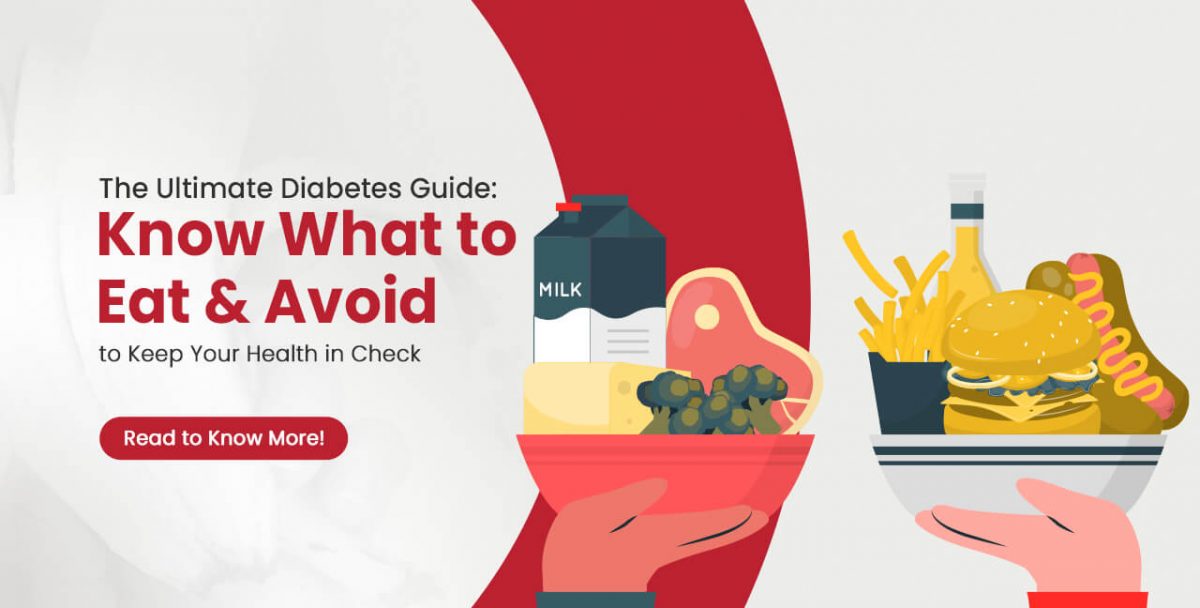
A diabetic diet is not a short-term eating plan or a particular restrictive food list. It is a structured, sustainable approach to eating that supports stable blood sugar levels, weight management, and long-term metabolic health. The emphasis lies in choosing the right carbohydrates, prioritising fibre and protein, limiting unhealthy fats, and avoiding foods that cause sharp glucose fluctuations.
In this guide, we have outlined what to eat in your diabetic diet, what to limit, and how to structure your daily meals in a way that is practical easy to follow.
Core Principles of a Diabetic Diet
But before we go into discussing any specific foods, it is important to understand the foundational principles that guide any effective diet for diabetic patient. This includes:
- Consistent meal timing to avoid glucose spikes and crashes
- Balanced intake of carbohydrates, proteins, and fats
- Preference for low glycaemic index (GI) foods
- Adequate fibre intake to slow glucose absorption
- Portion control rather than complete elimination of food groups
When these principles are followed consistently, your dietary management becomes far more effective and sustainable.
What Is the Best Diet for a Diabetic Person?
Now coming to the best diet for diabetic patient, well it is one that helps:
- Maintains steady blood sugar levels
- Supports heart health
- Let achieve or maintain a healthy body weight
- Fits into daily routines without excessive restriction
There is no such universal diet that works for everyone. However, diets that are rich in whole grains, vegetables, lean proteins, healthy fats, and low-sugar foods have shown consistent benefits in diabetes management.
Diabetic Diet Food List: Foods to Include Regularly
The following diabetic diet food list highlights foods that can be safely included in daily meals when consumed in appropriate portions.
| Food Category | Examples | Nutritional Benefit |
|---|---|---|
| Whole Grains | Brown rice, oats, millets, barley | Slow digestion, better sugar control |
| Vegetables | Spinach, cauliflower, beans, lauki | High fibre, low calorie |
| Fruits (controlled portions) | Apple, pear, berries, guava | Fibre-rich, lower GI |
| Protein Sources | Dal, legumes, eggs, paneer, tofu | Improves satiety, stabilises glucose |
| Healthy Fats | Nuts, seeds, olive oil | Supports heart health |
Vegetables should ideally occupy the largest portion of the plate, followed by protein and controlled amounts of carbohydrates.
Foods to Avoid or Strictly Limit
Certain foods can significantly disrupt blood sugar control and should be limited or avoided as part of a structured diet for a diabetic patient.
| Food Type | Examples | Reason for Limitation |
|---|---|---|
| Refined Sugars | Sweets, desserts, soft drinks | Rapid glucose spikes |
| Refined Carbohydrates | White bread, maida-based foods | Low fibre, high GI |
| Processed Foods | Packaged snacks, ready meals | Hidden sugar and sodium |
| Fried Foods | Deep-fried snacks | Increases insulin resistance |
| Alcohol | Beer, cocktails | Unpredictable sugar fluctuations |
Occasional consumption may be manageable, but regular intake increases the risk of poor glycaemic control.
Importance of Meal Timing and Portion Control
Even healthy foods can lead to unstable blood sugar levels if it consumed in large quantities or at irregular intervals. Key dietary practices include:
- Eating meals at consistent times each day
- Avoiding long gaps between meals
- Including protein or fibre with every meal
- Keeping dinner light and preferably early
Skipping meals or overeating later in the day often leads to glucose variability and fatigue.
Sample Daily Diet for a Diabetic Patient
This sample plan provides a general structure and can be adjusted based on individual needs, activity level, and medical advice.
| Time | Meal |
|---|---|
| Early Morning | Warm water + soaked almonds |
| Breakfast | Vegetable omelette or paneer bhurji + multigrain roti |
| Mid-Morning | One fruit (apple or guava) |
| Lunch | Brown rice or roti, dal, cooked vegetables, salad |
| Evening | Roasted chana or nuts + green tea |
| Dinner | Vegetable sabzi with tofu/paneer + roti |
| Optional | Low-fat milk (if required) |
This plan focuses on balance rather than restriction and supports steady glucose levels throughout the day.
Common Dietary Mistakes in Diabetes Management
Despite good intentions, many individuals unknowingly make dietary choices that hinder progress:
- Completely eliminating carbohydrates
- Overdependence on “sugar-free” products
- Consuming fruits without portion control
- Ignoring protein intake
- Following generic diet plans without medical supervision
Effective dietary management requires personalisation and regular review.
Role of Physical Activity Alongside Diet
Diet and exercise go hand in hand. Even modest exercise increases insulin sensitivity and the effectiveness of a diabetic diet.
Recommended activities are:
- Brisk walking for 30 minutes daily
- Light strength training
- Stretching or flexibility exercises
Consistency is more important than intensity.
Importance of Regular Monitoring and Medical Guidance
Even the best-planned diet might fall short if not tracked. Blood sugar levels do not always behave as expected, and without regular monitoring, these variations can go undetected until symptoms emerge. This is why food alone is rarely adequate.
Routine assessments, such as fasting and post-meal blood sugars, as well as the HbA1c test every few months, provide as early warning signs. They demonstrate whether current eating choices are genuinely effective or are causing swings that may lead to complications over time. Monitoring does more than only measure statistics; it also helps to eliminate guessing in diabetes care.
When paired with medical advice, these insights enable for rapid adjustments to food, medication, or lifestyle, making diabetes management proactive rather than reactive. In the long run, consistent monitoring is what turns short-term control into long-term stability.
Diabetes Care at Regency Hospitals
Diabetes care requires more than just sticking to the diabetic diet food list. It calls for a structured medical approach that required accurate diagnosis, constant observation, individualized diet planning, and constant medical monitoring. Each patient has unique needs, and that is why a conventional method will never work for long-term results.
At Regency Hospitals, our endocrinology division provides comprehensive diabetes care, emphasizing individual health profiles and objectives. We give patients medically recommended food plans, lifestyle tips, and follow-up support to help them maintain stable blood sugar control and prevent complications.
Looking for an experienced endocrinology doctor in Kanpur? Our specialists provide integrated care for long-term diabetes management. So, wait no longer and book an appointment with us today to get personalized dietary advice and expert diabetes care!
Conclusion
Diabetes care requires more than just sticking to a strict diet or focusing on what not to eat. It is all about creating a diet plan that is in sync with your body, lifestyle, and objectives. Diabetes can be effectively managed with the right food plan, medical support, and tiny but informed lifestyle modifications.
FAQs
What is a good diet for a diabetic?
A good diabetic diet is one that is well balanced and very consistent. This means that having your regular meals with whole grains, vegetables, lean protein, healthy fats, and limited sugar as a must. It’s less about restriction and more about smart food choices.
How to control sugar in 7 days?
You can start improving sugar levels in a week by cutting sugary and refined foods, eating on time, walking daily, drinking enough water, and monitoring your levels regularly. Small changes add up quickly.
What foods should diabetics avoid?
Diabetics should avoid sweets, sugary drinks, white bread, fried foods, and highly processed snacks as these cause sudden spikes in blood sugar.
What foods can diabetics eat freely?
Non-starchy vegetables like spinach, cucumber, cauliflower, beans, and leafy greens can be eaten more freely as they are low in calories and sugar.
How to reduce diabetes naturally?
Diabetes can be better controlled naturally with a healthy diet, regular physical activity, proper sleep, stress management, and consistent blood sugar monitoring.
Read More:
- Difference Between Type 1 and Type 2 Diabetes: Which is more Dangerous
- Types of Diabetes and How to Manage it! – Regency Healthcare
- Type 1 vs Type 2 Diabetes: Causes, Symptoms & Treatment
- Type 2 Diabetes: Early Signs and Symptoms